

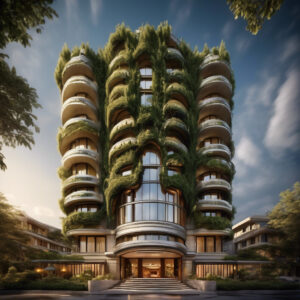
When guests arrive at a hotel, their first impression is shaped long before they walk through the lobby doors. From the moment they pull into the driveway or glance out their window, the natural landscape plays a central role in how they perceive the property. Trees lining the entryway, shaded courtyards, and beautifully maintained gardens aren’t just aesthetic flourishes—they’re critical assets that impact guest satisfaction, safety, brand perception, and even a hotel’s bottom line.
And who’s responsible for protecting those assets? A Certified Arborist.
While many hotel owners or managers may think of tree care as a simple maintenance task—something a landscaping crew can handle once a month with a truck and a chainsaw—the reality is that managing trees properly requires technical knowledge, safety expertise, and long-term planning. This is especially true for large properties with hundreds of trees, older trees near structures, or those in regions prone to storms or drought.
In this article, we’ll dive deep into why hotels need a Certified Arborist, exploring 10 compelling reasons that go far beyond curb appeal. Whether you run a boutique hotel, a sprawling resort, or a luxury chain property, these insights will show why bringing a tree expert onto your team is not just smart—it’s essential.
First Impressions and Guest Experience
Hotels live and die by first impressions. Beautiful trees—whether it’s majestic oaks, flowering dogwoods, or tropical palms—instantly convey luxury, care, and tranquility. A Certified Arborist ensures those trees are healthy, shaped correctly, and thriving in their environment.
Neglected trees, on the other hand, are quick to send the wrong message: overgrown branches, dead limbs, or visible disease make a hotel look run-down and unprofessional. Guests may not always notice great tree care, but they’ll definitely notice when it’s missing.
An arborist understands how to position trees to frame architecture, create shade in key areas, and elevate the landscape to match the hotel’s brand identity—whether it’s modern and minimal or lush and natural.
Liability and Safety Risk Management
One of the most critical reasons for hiring a Certified Arborist is liability prevention. Trees that are not professionally managed can become dangerous. Falling limbs, root upheaval damaging sidewalks, and entire tree failures during storms can lead to severe injury or even fatalities—opening the door to lawsuits and insurance claims.
Certified Arborists are trained to spot early warning signs of disease, decay, or instability in trees that a standard landscaper might overlook. They conduct risk assessments, document potential hazards, and can help hotels develop a proactive maintenance plan to avoid accidents before they happen.
A hotel’s landscape should never be a legal risk—and a Certified Arborist ensures that it isn’t.
Storm Preparation and Recovery
From hurricanes in Florida to snowstorms in Colorado, extreme weather events can devastate trees—and unprepared properties. Trees with poor structure or shallow roots are especially vulnerable to high winds or heavy snow loads.
A Certified Arborist can identify trees that are more likely to fail, recommend selective pruning, or apply structural support systems to minimize storm damage. After a storm hits, they can also help the hotel quickly and safely clear debris, remove hazardous limbs, and assess what can be saved versus what must be replaced.
Their presence during both preparation and recovery helps hotels bounce back quickly and reduce downtime, keeping guests safe and minimizing disruption.
Preserving Property Value
Healthy, mature trees are incredibly valuable assets. In fact, studies have shown that a well-landscaped hotel can increase room rates and overall property value. Trees provide natural insulation, reduce noise pollution, and enhance privacy—all of which guests are willing to pay for.
But these benefits only hold true if the trees are thriving.
A Certified Arborist doesn’t just care for trees—they help protect the long-term investment the hotel has made in its landscape. They understand how to extend the life of mature trees, recommend species that increase appeal and sustainability, and create a management plan that aligns with the hotel’s vision and budget.
Letting valuable trees decline or die due to neglect is like letting expensive furniture sit in the rain. It’s wasteful—and entirely preventable with the right expertise.
Sustainability and Environmental Responsibility
Today’s travelers care more than ever about a hotel’s environmental impact. Green certifications, sustainable landscaping, and eco-friendly design are all part of the conversation—and trees are a major component.
Certified Arborists are trained in sustainable tree management, meaning they use the most environmentally responsible methods for pruning, fertilizing, and planting. They can also help hotels reduce their carbon footprint by improving tree canopy coverage, increasing energy efficiency through shade, and promoting native species that support local ecosystems.
For hotels seeking to align their brand with environmental values—or pursue LEED certification or similar programs—partnering with a Certified Arborist is a smart move that goes beyond marketing. It’s about practicing what you preach.
Construction and Expansion Planning
When hotels renovate or expand, existing trees are often caught in the crossfire. Roots get compacted by heavy equipment, trunks get scarred by careless operators, and nearby soil may be disturbed in ways that kill trees slowly over time.
A Certified Arborist should always be involved in pre-construction planning to assess which trees should be preserved, how to protect root zones, and what mitigation steps to take if trees are impacted. They can even work with architects and contractors to integrate trees into the design rather than cutting them down.
Post-construction, the arborist can help restore tree health or replace trees in ways that support the property’s long-term goals.
Compliance With Local Regulations
Many cities and counties have strict tree ordinances that regulate what can be pruned, removed, or planted. Failing to comply with these regulations can result in fines, legal issues, or delays in development.
Certified Arborists are well-versed in local tree codes, permitting processes, and municipal requirements. They can represent the hotel during city inspections, submit proper documentation, and ensure that the property stays on the right side of the law.
This is especially important for hotels operating in historic districts or environmentally sensitive zones, where tree protection is taken seriously by local authorities.
Improving Energy Efficiency
Strategically placed trees can significantly reduce energy costs by providing shade in the summer and acting as windbreaks in the winter. According to the U.S. Department of Energy, a well-placed tree can cut air conditioning use by up to 25%.
Certified Arborists understand how to position trees for maximum energy savings. They consider factors like species, growth rate, sun patterns, and building orientation to optimize tree placement around the hotel.
This not only helps the environment but also leads to meaningful cost savings over time—something every hotel owner can appreciate.
Enhancing Brand Identity and Differentiation
For high-end hotels, the outdoor experience is often just as important as the rooms. Whether it’s a serene courtyard, a lush poolside lounge, or an Instagrammable tree-lined walkway, the landscape is a core part of the brand.
A Certified Arborist helps bring that brand vision to life. They can recommend exotic or native species that match the hotel’s aesthetic, create themed gardens (like tropical or Zen), and even integrate seasonal color changes to surprise and delight guests throughout the year.
Think of it this way: a landscape isn’t just “green space”—it’s storytelling. And arborists help write the story.
Protecting Guest and Staff Wellbeing
Last but far from least, trees have been shown to improve human wellbeing. Studies link trees to lower stress, reduced anxiety, improved air quality, and even better sleep. For guests who come to a hotel to relax, escape, or recharge, the presence of healthy trees can have a profound impact on their experience.
For hotel staff, a thoughtfully landscaped environment can boost morale and make break areas more enjoyable.
A Certified Arborist knows how to balance health, aesthetics, and wellness—creating spaces that don’t just look beautiful, but actually feel good to be in.
Conclusion
Hiring a Certified Arborist near me is not a luxury—it’s a strategic investment in the safety, beauty, and profitability of your hotel. From reducing risk and liability to enhancing brand value and environmental stewardship, the role of an arborist extends far beyond trimming branches.
In a competitive hospitality landscape, where every detail matters, your trees can either be a powerful asset—or a silent liability. Choosing to work with a Certified Arborist ensures you’re on the right side of that equation.
So whether your hotel is a historic gem, a modern resort, or a cozy getaway tucked into the trees—make sure those trees are in expert hands. Because when it comes to creating unforgettable guest experiences, the roots run deeper than you think.