

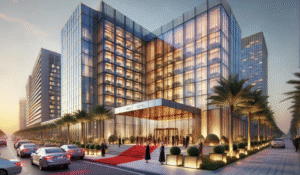
The Importance of Cannabis Construction Contractors to Hotels 🌿🏨

hotel news for Cannabis Construction

The cannabis industry is booming, and with it comes a new wave of design, development, and construction demands that are transforming commercial real estate across the United States. One surprising player emerging as a key participant in this green revolution? Hotels.

Hotels are evolving into more than just places to sleep—they’re becoming multi-use, amenity-rich destinations that increasingly include cannabis-adjacent services. Whether it’s CBD spas, cannabis lounges, rooftop dispensary partnerships, or even onsite cultivation experiences in cannabis-friendly states, hotels are beginning to explore the enormous potential of cannabis tourism. To make this vision a reality, they need expert Cannabis Construction Contractors.

These specialized builders are essential for bringing compliance-driven, technologically advanced, and visitor-ready cannabis facilities to life—especially when integrated into hospitality environments. In this article, we’ll break down why Cannabis Construction Contractors are not just helpful but vital for hotels entering this high-growth market. 🌱


The Rise of Cannabis Tourism and Hospitality 🚀

As cannabis legalization continues to sweep across the U.S. and other parts of the world, cannabis tourism has become a multi-billion dollar industry. According to Forbes, cannabis tourism is expanding rapidly as consumers seek experiences, not just products. Travelers now book hotels based on proximity to dispensaries, availability of cannabis-friendly policies, and wellness amenities tied to cannabis use, such as CBD massages and cannabis cooking classes.

Hotels that can tap into this demand stand to benefit immensely. But integrating cannabis into a hotel’s infrastructure isn’t a DIY endeavor—it requires precision, compliance, and cutting-edge design. That’s where Cannabis Construction Contractors come in.


What Do Cannabis Construction Contractors Do? 🛠️

Cannabis Construction Contractors are specialized professionals who understand the unique needs of cannabis-related businesses, including:

  • Dispensary design and build-outs

  • Indoor cultivation facility construction

  • Laboratory and testing facility builds

  • Security and compliance integration

  • HVAC systems designed for odor and moisture control

  • Custom lighting and irrigation systems

  • Biosecurity and sanitation setups

Hotels looking to incorporate these types of operations into their property—or even collaborate with a third-party cannabis brand on-site—need builders who know the strict regulatory, environmental, and functional requirements of cannabis infrastructure.


Why Hotels Need Cannabis Construction Contractors 🏨🌿

1. Navigating Compliance and Regulation

The cannabis industry is one of the most heavily regulated in the U.S., varying not only by state but often by city and county. Hotels cannot afford to take risks when integrating cannabis-related construction into their property.

Cannabis Construction Contractors are well-versed in codes, regulations, and compliance protocols. Whether it’s installing secure access points to a dispensary or ensuring proper airflow in a cultivation suite, these professionals help hotel operators avoid costly legal pitfalls. The National Cannabis Industry Association (NCIA) provides resources on staying compliant, but only trained contractors can turn those standards into real-world structures.

2. Maintaining Guest Experience

The core of hospitality is guest comfort. Hotels must ensure that any cannabis-related facility does not disrupt the non-cannabis experience of other guests.

Cannabis Construction Contractors design solutions that integrate seamlessly into hotel layouts—soundproofing dispensary walls, using high-performance HVAC systems to eliminate odors, and creating discreet pathways and signage. Their work protects the integrity of the guest experience while expanding amenities for cannabis-curious travelers.

3. Advanced Security Integration

Cannabis facilities must adhere to rigorous security standards, including 24/7 surveillance, restricted access, secure storage, and real-time monitoring. These systems must be designed and installed from the ground up.

Expert Cannabis Construction Contractors are equipped to handle security builds in a way that aligns with hotel operations, ensuring systems are compliant but not intrusive. They work alongside local authorities and hotel security teams to create a safe, seamless environment.

4. Efficient Space Utilization

Hotels often face space constraints. The challenge lies in creatively incorporating cannabis facilities without sacrificing room count or amenity flow.

Cannabis Construction Contractors help repurpose underused areas—like basement storage rooms, rooftops, or parking structures—into fully functional cannabis spaces. With efficient layout planning and modular construction methods, they maximize utility without major disruptions to hotel services.

5. Sustainability and Energy Management

Cannabis cultivation and processing facilities are energy-intensive, making sustainability a major concern for environmentally conscious hotels.

Experienced Cannabis Construction Contractors offer energy-efficient solutions such as LED grow lights, smart HVAC systems, and water recycling setups. These integrations align with broader hotel sustainability goals and reduce long-term operational costs. The U.S. Green Building Council offers LEED guidelines, and top cannabis contractors know how to implement these into grow and dispensary facilities.


Use Cases: How Hotels Are Using Cannabis Construction Contractors 🏗️

Cannabis Lounges and Dispensaries Onsite

Some forward-thinking hotels are building their own cannabis lounges or co-branded dispensaries on-premises. These require secure entries, customer flow planning, aesthetic interior design, and compliant storage—all handled by specialized Cannabis Construction Contractors.

CBD Wellness Spas

Hotels are converting spa wings or massage rooms into CBD-focused wellness zones. Contractors help retrofit existing infrastructure to include aromatherapy ventilation, lighting changes, and product storage areas.

Boutique Cannabis Suites

High-end hotels are offering themed suites with cannabis-inspired decor and amenities. Cannabis Construction Contractors work with designers to incorporate materials that support legal consumption while maintaining cleanliness and air quality.

Onsite Cultivation Tours

Especially in resort settings, small-scale, showpiece grow rooms offer a unique educational experience for guests. These need controlled lighting, humidity, and secure access—again, requiring Cannabis Construction Contractor expertise.


Economic Benefits to Hotels 💰

Integrating cannabis into hotel operations is more than a trend—it’s a smart business move.

According to Statista, the legal cannabis market in the U.S. is projected to exceed $40 billion by 2026. Hotels that cater to cannabis travelers can enjoy increased occupancy rates, longer stays, and higher spend per guest.

Hotels that partner with Cannabis Construction Contractors early in their expansion plans also save money by avoiding code violations, construction delays, and retrofits. These contractors reduce the risk of wasted investment by ensuring everything is built right the first time.


How to Choose the Right Cannabis Construction Contractor 🔍

Not all contractors are created equal—especially when it comes to cannabis projects. Hotels should seek contractors who offer:

  • Proven cannabis facility portfolios

  • Knowledge of state-specific cannabis regulations

  • Familiarity with hospitality infrastructure

  • Integrated design-build services

  • Security and compliance planning

  • Sustainable building solutions

Checking certifications, reading client reviews, and asking about past hospitality partnerships are key steps. You can also reference reputable industry directories such as Cannabis Business Times or MJBizDaily to find verified professionals.


Conclusion: The Future is Green and Luxurious 🌍💼

As the cannabis and hospitality industries continue to converge, hotels have a golden opportunity to capture new audiences, increase revenue, and differentiate their brand. But doing it right takes more than vision—it takes precision.

Cannabis Construction Contractors are the bridge between ambition and execution. They ensure hotels remain compliant, efficient, and guest-friendly while bringing cannabis experiences to life.

For hoteliers looking to build out dispensaries, cannabis spas, or cultivation experiences, partnering with expert Cannabis Construction Contractors isn’t just a recommendation—it’s a requirement. 🔐

As cannabis tourism grows and guest expectations evolve, those who invest wisely now will be the leaders of tomorrow’s travel industry. 🍃✈️


The Importance of Dimensional Control Survey Services for a Hotel

Hotel News for Dimensional Control Survey Services

In the fast-paced, high-standard world of hospitality, precision is not a luxury—it’s a necessity. Every square foot of a hotel matters, not just in aesthetics but in safety, functionality, and profitability. From lavish resorts to urban high-rises, hotels depend on flawless construction and ongoing structural integrity to maintain their reputation and customer satisfaction. One often overlooked—but incredibly vital—piece of that puzzle is Dimensional Control Survey Services.

This specialized surveying method ensures that every element of a hotel’s design and construction aligns precisely with architectural intent. In simpler terms, it’s what keeps your hotel’s walls, beams, fixtures, and finishes exactly where they need to be. When margins are tight and expectations high, precision is power. 🏨📏

Let’s explore why Dimensional Control Survey Services aren’t just useful—they’re foundational to hotel development, renovation, maintenance, and long-term profitability.


What Are Dimensional Control Survey Services?

Dimensional control surveying is the process of capturing accurate 3D spatial data to monitor and verify the geometry of structures during any phase of construction or renovation. Unlike traditional surveying, which may focus on large-scale land boundaries or general layouts, dimensional control zeroes in on specific components—columns, slabs, facades, piping systems, and steel structures—to ensure they align with the planned design within ultra-tight tolerances.

Technologies used include laser scanners, total stations, and 3D modeling software. The results are highly detailed digital representations (often called “as-builts”) that help identify discrepancies before they turn into costly issues.

These surveys are frequently used in sectors where precision is non-negotiable—offshore oil platforms, aerospace, and now, modern hotel construction.


Why Hotels Specifically Need Dimensional Control Survey Services

1. Precision in Luxury and Branding Expectations

Hotels are judged by their appearance, comfort, and consistency. Misaligned finishes, uneven floors, or poor spacing can compromise both brand reputation and guest experience. Whether it’s a global chain or a boutique stay, consistency in room layout, finish quality, and spatial harmony is essential.

A dimensional control survey guarantees:

  • Perfect alignment of walls, fixtures, and finishes.

  • Optimal use of space in luxury rooms and suites.

  • Repeatable accuracy for chain hotels replicating designs across properties.

When guests walk into a room expecting a pristine environment, there’s no room for error. ✨

2. Safety & Compliance

Hotels house hundreds—even thousands—of guests and staff at any given time. Building code violations and structural misalignments can have catastrophic results. In a post-pandemic world, safety standards are higher than ever. A dimensional control survey helps ensure:

  • Structural integrity of critical load-bearing components.

  • Correct installation of fire-rated partitions and emergency systems.

  • ADA compliance in room and hallway spacing.

  • HVAC, sprinkler, and plumbing systems placed and angled accurately.

According to the American Hotel & Lodging Association, ensuring a safe and up-to-code building is not just about guest satisfaction—it’s about legal responsibility.

3. Prevention of Costly Rework

Construction is expensive. Rework is devastating—both to budget and schedule. Studies from McKinsey & Company show that rework can cost up to 5% of a project’s total value and account for 30% of all project activities.

Using dimensional control surveys during key phases—such as foundation, framing, MEP (mechanical, electrical, plumbing), and finishing—helps spot misalignments early. This reduces:

  • Labor costs due to rework.

  • Delays in hotel opening or renovation.

  • Materials waste from incorrect installations.

Hotels opening late or staying closed longer than planned can lose millions in bookings. ⏳💸

4. Support During Renovation and Expansion

Many hotels renovate every 5–10 years to stay competitive. Renovations in older or historical buildings bring unique challenges—unknown conditions, shifted structures, and space constraints.

Dimensional control surveying is ideal for:

  • Mapping existing conditions with laser-accurate as-built drawings.

  • Planning retrofits around unusual geometries.

  • Ensuring additions integrate flawlessly with original construction.

This is particularly useful when expanding spas, ballrooms, or rooftop amenities where structural precision directly impacts functionality and guest satisfaction.

5. Sustainability and Smart Building Integration

Modern hotels increasingly integrate green design and smart technology—solar panels, advanced HVAC, automated lighting, etc. These systems demand precision.

Dimensional control supports sustainable goals by:

  • Minimizing material waste during installation.

  • Assuring energy systems are mounted and aligned optimally.

  • Facilitating future digital twin creation for facility management.

According to Energy Star for Hospitality, efficient alignment of systems significantly reduces energy usage in hotels.

6. Improved Stakeholder Communication

Hotels involve large teams: architects, engineers, contractors, designers, and ownership groups. Miscommunication between stakeholders can lead to misunderstandings that impact deadlines and budget.

Dimensional control surveys create visual, measurable clarity. With shared digital models and laser scans:

  • All parties are working from the same visual data.

  • Construction disputes can be avoided or resolved quickly.

  • Investors can be shown tangible progress and accuracy.

Transparency builds trust—and trust builds brands. 🤝


Real-World Hotel Applications

🏢 Case Study: Luxury Hotel Skyscraper

A hotel chain constructing a high-rise in a dense urban core used dimensional control to manage the vertical alignment of over 30 floors. By scanning each floorplate during build-up, the team caught a 7mm drift by floor 12—before it became a 4-inch misalignment by floor 30. This saved rework on elevators, plumbing stacks, and facade connections.

🛠️ Case Study: Boutique Hotel Renovation

A boutique hotel converting a 1920s building used 3D laser scans to create an accurate as-built model. This model revealed subtle sags and warps in historical beams that would have interfered with the modern HVAC system. Planners adjusted installations in software first—saving weeks of on-site troubleshooting.


Who Provides Dimensional Control Surveying?

Look for firms with:

  • Experience in commercial construction and hospitality projects.

  • Expertise in 3D scanning, total station setups, and BIM integration.

  • Accurate reporting systems and responsive communication.

Certified professionals may hold credentials from institutions like The International Federation of Surveyors (FIG) or national bodies like NSPS.

Hotels should never cut corners on this service—it’s the silent foundation that supports long-term operational success.


Conclusion: Elevate Your Hotel with Dimensional Precision

In hospitality, perception is reality. And the reality is this: behind every seamless guest experience is an environment engineered with precision, forethought, and execution. Dimensional Control Survey Services empower hotel owners, developers, and architects to build not just beautiful spaces—but functional, safe, and future-ready ones. 🧭

Whether you’re building a new hotel, renovating a heritage property, or preparing for the next wave of smart technology, dimensional accuracy isn’t optional—it’s essential.

If you’re serious about delivering world-class guest experiences while protecting your investment, then Dimensional Control Survey Services are the smartest step you can take.

📞 Don’t just build a hotel. Build it right. Contact a trusted dimensional survey expert today and lay the groundwork—literally—for success.

Why Concrete Cutting is Essential for Modern Hotel Construction and Renovation 🏨✂️

Hotel News for Concrete Cutting

Hotels are more than places to sleep—they are immersive experiences where architecture, amenities, and aesthetics work together to create comfort, luxury, and convenience. Whether it’s a sleek boutique hotel in a bustling city or a sprawling beachfront resort, the physical infrastructure must be precise, functional, and flexible. And behind many of these clean lines, polished lobbies, and soundproofed suites lies a gritty but essential process: concrete cutting.

Concrete cutting is the controlled process of removing or altering concrete for construction, renovation, utility access, or architectural needs. For hotels, this service plays a crucial role in ensuring safety, optimizing layout, accommodating upgrades, and adapting to ever-changing hospitality demands.

In this blog post, we’ll explore why concrete cutting is so important to hotel operations, new builds, and renovations—and why ignoring this aspect can cost more than just money. 🛠️


The Role of Concrete in Hotel Infrastructure 🧱

Concrete is the backbone of most commercial buildings—including hotels. It’s used in foundations, walls, floors, ceilings, staircases, driveways, patios, and even decorative accents. Its strength and durability make it ideal for structures expected to withstand decades of heavy use, weather extremes, and constant foot traffic.

But its permanence can also be a barrier when changes or upgrades are needed. That’s where concrete cutting comes in.


What is Concrete Cutting? ✂️

Concrete cutting involves using specialized equipment such as wall saws, flat saws, core drills, and wire saws to remove or reshape concrete with precision. This process is required when a hotel needs to:

  • Install plumbing or electrical systems

  • Modify rooms or reconfigure layouts

  • Create space for elevators or stairwells

  • Replace or update HVAC systems

  • Conduct structural assessments or repairs

  • Address emergency access needs

The key is doing this work without causing unnecessary vibration, dust, or noise that could disrupt hotel guests or operations.


Why Concrete Cutting is Vital for Hotels 🏨💡

1. Renovations and Expansions

Hotels are constantly evolving to meet market trends and guest expectations. From adding luxury spas and restaurants to remodeling outdated rooms, renovation is a natural part of hotel life.

Concrete cutting allows property owners to open up walls, reroute utilities, and even add new amenities without tearing down entire structures. According to the American Hotel & Lodging Association (AHLA), renovation is one of the most important strategies for staying competitive in hospitality. Concrete cutting enables it all to happen smoothly and efficiently.

2. Utility Access and Upgrades 🔌🚿

Modern hotels rely on sophisticated plumbing, electrical, and internet infrastructure. Whether you’re installing smart room features, upgrading to energy-efficient HVAC, or expanding kitchen plumbing, you’ll likely need to cut through concrete to access these systems.

Precision cutting ensures access without compromising structural integrity or disturbing occupied areas. It’s particularly useful in retrofitting older buildings, where the original concrete layout doesn’t match today’s technological needs.

3. Emergency Repairs and Safety Compliance 🚨

Concrete cutting is often required for emergency repairs—like accessing a burst pipe beneath a slab or removing damaged concrete in the event of structural failure. It’s also critical for meeting updated building codes and fire safety compliance, such as ensuring stairwells, exits, and fire-rated barriers are up to spec.

Regular audits by local building authorities or organizations like the International Code Council (ICC) may result in mandatory upgrades that require skilled concrete cutting to implement.

4. ADA Compliance and Accessibility ♿

Accessibility isn’t optional for hotels—it’s the law. Hotels must meet standards outlined in the Americans with Disabilities Act (ADA) to ensure that entrances, bathrooms, and hallways are accessible to all.

If a hotel lacks ramps or proper elevator access, concrete cutting may be required to modify thresholds, widen doorways, or carve out space for lift systems. The precision of modern tools allows contractors to meet ADA requirements without extensive demolition.

5. Soundproofing and Structural Modifications 🔇

Guest comfort is paramount. For many hotels, soundproofing is a competitive advantage—especially in urban environments or near airports. Concrete cutting allows installation of noise-dampening materials within floors, ceilings, or partition walls.

Structural changes such as load-bearing wall adjustments or mezzanine additions may also call for precision cuts to avoid compromising building safety.


Types of Concrete Cutting Used in Hotels 🛠️

Wall Sawing

Used for cutting vertical surfaces like walls to create openings for doors, windows, or utilities. Wall sawing is common in bathroom remodels, corridor extensions, or adding fire escapes.

Core Drilling

Creates precise holes in concrete for plumbing, electrical, or HVAC lines. Ideal for mechanical upgrades and retrofits that keep the hotel up-to-date without affecting aesthetics.

Flat Sawing

Also known as slab sawing, this is used on horizontal surfaces like floors or decks. Common in lobby renovations, parking structure work, or slab repair.

Wire Sawing

Used for large, complex, or heavily reinforced areas. Helps when removing concrete sections in major expansions or demolitions.


Environmental and Noise Considerations 🌱🔇

Hotels must maintain a peaceful, clean atmosphere for guests. Thankfully, many modern concrete cutting services use water-cooled or electric saws, reducing dust and noise pollution.

Some companies even offer green cutting methods that align with sustainability goals. According to the Environmental Protection Agency (EPA), low-impact construction techniques, including dust suppression and noise minimization, contribute to healthier indoor environments—a top concern for hotel brands focused on wellness and eco-friendliness 🌿.


Concrete Cutting and Guest Experience 🛌

Every hotel owner knows: even one guest complaint about noise, vibration, or disruption can impact reviews. That’s why concrete cutting professionals plan their work carefully, often operating during low-occupancy hours or in isolated areas.

Experienced contractors understand the need for:

  • Sound barriers and vibration controls

  • Fast and clean execution

  • Minimal disruption to staff and guests

Working with a skilled concrete cutting team ensures you protect your brand reputation while achieving necessary upgrades.


Real-World Scenarios: Concrete Cutting in Action 🧰

Case Study 1: Luxury Hotel Retrofit

A luxury hotel in downtown Chicago needed to convert underused conference space into a rooftop bar. To accommodate new plumbing, drainage, and electrical lines, they used concrete core drilling and slab sawing. The job was done without disturbing guest floors, and the result was a major revenue boost.

Case Study 2: Accessibility Upgrade

A historic hotel in New Orleans had to meet ADA compliance standards. Concrete cutting was used to create new elevator shafts and ramp access while preserving the building’s original charm. The successful upgrade led to more bookings from senior travelers and conferences.


How to Choose a Concrete Cutting Company for Your Hotel 🏗️

Not all contractors are created equal. For hotel work, look for providers who:

  • Have experience in occupied buildings

  • Offer quiet, dust-free equipment

  • Provide emergency availability

  • Are licensed and insured

  • Understand commercial and hospitality codes

Be sure to ask for references and project portfolios, and always verify they follow OSHA safety guidelines and environmental regulations.


Future-Proofing Your Hotel with Concrete Cutting 🏨📈

The hospitality industry is constantly evolving—green certifications, smart technology, and design trends all require physical updates. Concrete cutting is a behind-the-scenes superhero that enables adaptation without full rebuilds.

Hotels that invest in ongoing maintenance and modernization through concrete cutting tend to:

  • Improve operational efficiency

  • Boost guest satisfaction

  • Stay ahead of competitors

  • Extend the life of the building


Conclusion: Don’t Overlook This Foundational Service 🔍

Concrete cutting near me is more than just slicing through slabs—it’s a precise, strategic service that allows hotels to modernize, stay compliant, improve accessibility, and create better experiences for guests. In a competitive industry where reputation, comfort, and convenience are everything, this service plays a critical role behind the scenes.

If you’re planning a renovation, expansion, or upgrade, partner with a trusted concrete cutting expert to get the job done right—with minimal disruption and maximum results. 🏨✨

Why Epoxy Flooring Is Important to Hotels: Beauty, Durability & Guest Satisfaction in One

Hotel News for Epoxy Flooring

In hospitality, where every detail counts, hotel managers are constantly seeking ways to elevate guest experiences while ensuring long-term value. While bedding, lighting, and décor often steal the spotlight, there’s a foundational element that quietly influences safety, cleanliness, and first impressions: the flooring.

Epoxy flooring has rapidly become a preferred choice for hotels that value both form and function. Whether in lobbies, kitchens, or spa areas, its ability to withstand heavy foot traffic, resist stains, and deliver a high-end finish makes it a no-brainer. Let’s dive into why epoxy flooring isn’t just a smart option—it’s a strategic investment for hotel environments. 🏨✨


🛠️ The Powerful Benefits of Epoxy Flooring in Hotels

1. 💪 Durability That Withstands Hotel Hustle

Hotels experience constant wear and tear from rolling luggage, cleaning carts, and foot traffic. Unlike many flooring types, epoxy is shock-resistant, abrasion-resistant, and chemical-resistant, which means it can endure years of intense use without deterioration.

👉 According to Painters USA, epoxy coatings are one of the most durable floor systems available, making them ideal for high-traffic commercial settings like hotels.

2. 🎨 Design Flexibility That Matches Any Aesthetic

Epoxy flooring isn’t just practical—it’s beautiful. Whether a hotel leans toward modern minimalism, classic elegance, or eclectic charm, epoxy can be customized to complement it. From metallic effects to quartz flakes, the options are endless.

👉 Epoxy Flooring Technologies explains how customizable colors and patterns can reinforce branding and elevate ambiance.

3. 🧼 Easy to Clean and Maintain

One of the unsung heroes of epoxy flooring is its seamless, non-porous surface. This means no cracks for dirt or bacteria to hide, and no grout to scrub. Hotels can maintain immaculate floors with less labor, fewer chemicals, and better results.

👉 Learn more from Dur-A-Flex about why epoxy is a hygienic and low-maintenance choice.

4. 🦺 Safety First: Slip-Resistant and Fire-Resistant

Hotels have a duty to keep both guests and staff safe. Epoxy floors can be treated with anti-slip additives, especially in high-moisture zones like pool areas or kitchens. Epoxy is also fire-resistant, adding an extra layer of protection in emergencies.

👉 The CDC’s guidelines on slip prevention highlight the importance of flooring surfaces in avoiding workplace injuries—a relevant concern for hotels with active kitchen and housekeeping teams.

5. 💸 Cost-Effective Over Time

While epoxy floors require a professional install and a higher upfront cost than vinyl or tile, the long-term savings are significant. Reduced maintenance, longer lifespan, and fewer replacements mean hotels get more value from their investment.

👉 Resin Flooring Specialists explain how epoxy’s ROI makes it a practical choice for commercial facilities.

6. ⏱️ Fast Installation with Minimal Downtime

Hotel operations are often 24/7. Fortunately, epoxy coatings cure quickly—some formulas allow foot traffic in just a day or two. This means minimal disruption during renovations or upgrades.

👉 As Epoxy Floor Supply Company notes, fast-cure kits can get operations back up and running quickly.

7. 🌱 Eco-Friendly Flooring Option

Sustainability matters more than ever. Many epoxy products are low in VOCs (volatile organic compounds), making them safer for indoor air quality. Their long lifespan also reduces landfill waste.

👉 The EPA supports low-VOC products as healthier for both guests and workers.


🛏️ Where Epoxy Flooring Shines in Hotels

🔹 Lobby and Reception Areas

These high-traffic zones are all about first impressions. A glossy, custom-colored epoxy floor makes a bold statement—and stands up to foot traffic, rolling bags, and seasonal weather.

🔹 Restaurants and Cafés

Food spills? No problem. Epoxy’s seamless surface resists staining and is easy to sanitize, making it a great option for foodservice spaces where health inspections and presentation matter.

🔹 Kitchens and Food Prep Zones

In back-of-house kitchens, epoxy floors are built to handle grease, heat, and heavy equipment. Slip-resistant coatings add another layer of security for kitchen staff.

🔹 Guest Room Hallways

Hallways are some of the most traveled parts of a hotel. Epoxy ensures these areas stay smooth, beautiful, and easy to clean—cutting down on vacuuming and replacing worn carpet.

🔹 Bathrooms and Spa Areas

With epoxy, bathrooms benefit from moisture-resistance and anti-microbial properties, reducing the risk of mold or mildew growth. In spas, epoxy creates a serene, safe, and clean environment.

🔹 Gyms and Fitness Centers

Epoxy handles sweat, heavy weights, and constant cleaning. It also prevents slips and makes the space feel sleek and hygienic—important qualities in any hotel gym.

🔹 Pool Decks

Pool areas require water-resistant and slip-resistant surfaces. Epoxy systems with quartz additives provide grip without sacrificing style, and hold up well to chlorine and UV rays.


🧪 Real-World Products for Hotels

Here are some trusted epoxy flooring products that many hotels use to elevate their space:


🔚 Conclusion: A Foundation That Speaks Luxury

Epoxy flooring offers more than just a surface to walk on—it enhances a hotel’s visual appeal, safety, cleanliness, and bottom line. From the front desk to the back kitchen, it’s a flooring solution that supports every department.

In a business where every detail shapes the guest experience, epoxy flooring empowers hotels to stand out and stay strong. Whether you’re remodeling a boutique inn or a global resort, investing in epoxy means investing in long-term excellence. 💼✨

👉 Ready to make your hotel floors shine? Talk to an epoxy flooring specialist and discover how this smart surface can elevate your entire operation.

Why a Hotel Would Need Data-Driven Strategy Consulting

Hotel News for Data Driven Strategy

In today’s digital-first, customer-centric hospitality landscape, hotels can no longer rely on instinct or legacy processes to stay competitive. The most successful hotels—whether boutique lodgings or major chains—are making bold decisions powered by data. 📊 That’s where data-driven strategy consulting comes in.

This strategic approach helps hotels harness the full power of their available information to improve guest satisfaction, optimize operations, and drive long-term profitability. Whether you’re managing a single location or a multi-property brand, data-driven insights help you respond faster, act smarter, and plan better.


Why Hotels Can’t Afford to Ignore Data

Hospitality is not what it used to be. From changing guest behaviors and rising operational costs to seasonal demand shifts and increased competition from short-term rental platforms like Airbnb, hotels must be more agile than ever before.

📉 According to McKinsey & Company, organizations that fully leverage data are 23 times more likely to acquire customers and 6 times more likely to retain them. This is a wake-up call for the hospitality sector: the time to embrace a data-driven culture is now.


Personalized Guest Experiences Start With Data

Today’s travelers expect hotels to understand them on a deeper level. That means delivering not just clean rooms and free Wi-Fi—but personalized experiences.

With the help of data-driven strategy consultants, hotels can implement or optimize systems such as:

  • Guest behavior tracking (repeat stays, room preferences, booking channels)

  • Customized offers and loyalty program enhancements

  • Dynamic upsell opportunities like spa treatments or room upgrades

🎯 Data makes it possible to tailor your offerings to your most profitable guests and boost satisfaction metrics across the board.

As Deloitte notes, personalization can drive up to a 20% increase in customer satisfaction and significantly improve brand loyalty.


Smarter Revenue Management With Predictive Analytics

A key benefit of data-driven strategy consulting is the ability to implement predictive analytics tools. These tools use historical and real-time data to forecast future demand, allowing hotels to:

  • Adjust room rates based on occupancy trends

  • Identify high and low demand periods

  • Make informed staffing and procurement decisions

  • Forecast group bookings and special event impacts

This isn’t just revenue management—it’s revenue optimization. 🔍 Consultants can also help hotels integrate software like RevPAR-enhancing tools or yield management systems to make pricing more competitive.

According to PwC, hotels that rely on data to set prices enjoy 10–20% higher average daily rates (ADR) than those that don’t.


Marketing Strategies That Convert

Marketing without data is like throwing darts in the dark. 🎯 Data-driven consultants help hotels gain a clearer picture of:

  • Which campaigns generate the most bookings

  • Which booking channels deliver the highest-value guests

  • When to run promotions for maximum ROI

  • Who to target in retargeting and social media campaigns

Tools like Google Analytics, Facebook Pixel, and CRM analytics dashboards become powerful when interpreted correctly. Strategy consultants help you read the signals and refine your outreach for better impact.

Forrester Research found that businesses using data-driven marketing are six times more likely to be profitable year over year.


Operational Efficiencies You Can See and Feel

From energy usage and food waste to housekeeping schedules and front-desk staffing, hotels generate countless data points daily. But what good is that information if it’s sitting in a spreadsheet?

🏨 Data-driven consultants help you visualize and interpret this data to identify opportunities for:

  • Reducing overtime costs through better shift planning

  • Lowering utility bills through usage analysis

  • Minimizing supply waste and overstock

  • Streamlining vendor negotiations and contracts

Using platforms like business intelligence dashboards, hotels can take daily action to cut costs and boost efficiency—all without sacrificing guest experience.

Harvard Business Review emphasizes that real transformation comes when decisions are made based on data, not guesswork.


Strategic Planning That’s Grounded in Reality

Want to open a new property? Redesign your brand experience? Expand your amenities?

Data-driven strategy consulting gives hotel leaders the tools they need to plan wisely:

  • Location-based data shows demand trends and competition

  • Demographics data informs the best services and room types to offer

  • ROI projections backed by historical data help secure investor confidence

📌 These insights can make the difference between a profitable expansion and a costly misstep.

In one study by Cornell University’s School of Hotel Administration, hotels that implemented data-informed investment strategies were significantly more likely to report a positive ROI within the first two years.


Building a Culture of Data in Your Hotel

Working with a consultant isn’t just about installing new tools—it’s about creating a mindset shift. For your hotel to truly become data-driven, it must:

  • Empower teams to make data-informed decisions

  • Break down silos between departments

  • Invest in training and support

  • Regularly audit and clean data for accuracy

A consultant helps create a data culture where everyone—from housekeeping to management—understands the value of insights.

🚀 Once the culture shifts, the results become consistent and measurable.


Real-World Example: A Boutique Hotel Case Study

A 75-room boutique hotel in Austin, Texas, partnered with a data strategy consultant after struggling with off-season slumps. By leveraging historical booking data, local event trends, and competitor pricing intelligence, they:

  • Adjusted room rates based on event demand

  • Created targeted email campaigns that boosted direct bookings

  • Saved over $40,000 annually by optimizing housekeeping and front desk staff schedules

📈 Within six months, their RevPAR rose by 15%, and their customer satisfaction score improved by 22%.


Emerging Tech and the Future of Hotel Analytics

Technology will continue to reshape the hotel industry, and data will be the fuel that powers innovation. With tools like AI, machine learning, and IoT (Internet of Things), hotels can now predict:

  • When maintenance is needed (predictive maintenance)

  • Which guests are likely to cancel

  • How to personalize in-room experiences via smart devices

According to Statista, the global market for hotel data analytics is expected to reach $5.7 billion by 2026.

If your hotel doesn’t already have a data plan, it risks falling behind.


Conclusion: Make the Shift or Miss the Opportunity

In an industry where every dollar and every guest matters, data driven strategy consulting is not a luxury—it’s a necessity. 📊

Hotels that invest in these strategies gain a 360-degree view of their operations, a clearer path to profit, and a deeper connection with their guests.

If you’re ready to turn your hotel’s data into a growth engine, hiring a data-driven strategy consulting firm is your next best move. The insights are there—you just need the right partner to uncover them. 💼📈


Helpful Resources

Why a Hotel Would Need BIM Coordination: Unlocking Efficiency, Precision, and Profitability in Hospitality Projects

Hotel News for BIM Coordination

In the fast-paced, high-stakes world of hospitality construction and renovation, precision and communication are everything. From luxury resorts to business-class hotels, these complex builds require the synchronization of dozens—if not hundreds—of contractors, designers, architects, and engineers. When time is money and guest experience is king, one overlooked detail can mean months of delays or costly rework. That’s where BIM Coordination (Building Information Modeling) steps in as a game-changer.

Hotels—whether undergoing new construction, renovation, or expansion—stand to benefit enormously from BIM Coordination. This advanced process doesn’t just involve 3D models; it integrates data-rich information across all building systems, fostering seamless collaboration and avoiding expensive errors. With the stakes so high in hospitality, leveraging BIM is no longer optional—it’s essential 🏨💡.


What is BIM Coordination?

BIM Coordination is the process of integrating architectural, structural, mechanical, electrical, and plumbing (MEP) models into a single federated model. This allows all disciplines to detect and resolve clashes before construction begins, making sure every component fits together in real life the way it does in the digital world.

Rather than relying on siloed blueprints or conflicting CAD drawings, BIM provides a shared environment where teams can collaborate in real time. Tools like Autodesk Revit, Navisworks, and BIM 360 allow for clash detection, spatial planning, scheduling (4D), and cost estimation (5D), all under one umbrella.

You can explore Autodesk’s explanation of BIM for more industry-backed insights.


Why Hotels Require a Different Level of Coordination

Hotel construction involves more than just laying bricks and installing plumbing. It encompasses:

  • Complex HVAC systems for individualized climate control

  • Soundproofing between hundreds of rooms

  • Integrated smart tech like lighting, keycard access, and Wi-Fi

  • ADA compliance and accessibility standards

  • Fire suppression, emergency exits, and egress planning

  • Luxury aesthetic details that must align with strict brand standards

Every hotel—from boutique to mega-resort—demands a flawless orchestration of trades. Without precise coordination, mistakes can ripple through every level of the project, leading to rework, budget overruns, and even litigation.


Benefits of BIM Coordination for Hotels

1. Clash Detection Saves Time and Money ⏳💸

One of the primary functions of BIM Coordination is detecting clashes between systems—such as when a plumbing line crosses an HVAC duct or a structural beam conflicts with a lighting fixture.

For hotels, which often have dense MEP layouts in confined spaces, these clashes can be catastrophic if discovered onsite. BIM Coordination enables these issues to be identified and resolved in the pre-construction phase, saving hundreds of hours and potentially millions of dollars.

According to McKinsey & Company, 98% of megaprojects experience cost overruns or delays, often due to poor coordination. BIM significantly reduces these risks.


2. Improved Project Visualization and Stakeholder Communication 📊👷‍♀️

With BIM, hotel owners, investors, and general managers can view the project in rich 3D—even on mobile devices. This helps stakeholders without a technical background understand the space, layout, and even the aesthetic of the finished product.

This kind of visualization helps:

  • Ensure design intent is met

  • Align decision-makers early on

  • Prevent scope creep by providing clarity from the start


3. Accelerated Construction Schedules and Phasing 🔨📅

Hotels often work under intense timelines. Whether racing to open before peak tourist season or minimizing the downtime of a renovation, time is critical.

BIM supports schedule modeling (4D), allowing teams to simulate construction sequencing. This gives project managers the insight to phase work efficiently, plan around high-traffic zones, and maintain partial occupancy in renovation scenarios—all without compromising safety.

Hotels that remain operational during construction can use BIM to visualize noise impacts, access points, and emergency egress routes, ensuring guest comfort is never sacrificed.


4. Sustainability and Energy Efficiency Initiatives 🌍🌱

Modern hotels are increasingly pursuing LEED certification and other sustainability goals. BIM enables energy modeling and environmental analysis during the design phase.

BIM allows for:

  • Simulation of sunlight exposure for natural lighting

  • Integration of HVAC performance with real-world data

  • Efficient materials selection and waste reduction planning

By optimizing design choices early, hotels can reduce operational costs long-term while marketing themselves as eco-friendly—something today’s guests actively seek.

Check out the U.S. Green Building Council’s take on LEED and how BIM supports sustainable building.


5. Enhanced Guest Experience Through Better Design 🛏️✨

From optimized room layouts to streamlined back-of-house workflows, BIM allows hotel designers to focus on the guest journey with unmatched precision.

Designers can:

  • Map out foot traffic patterns

  • Optimize front desk and concierge visibility

  • Coordinate plumbing and electrical placements to reduce noise

  • Incorporate smart room technologies in the planning phase

This level of coordination directly improves reviews, loyalty, and brand reputation.


6. Facility Management Integration Post-Construction 🛠️📱

BIM doesn’t stop once construction ends. The data-rich model serves as a living digital twin that facilities teams can use for maintenance, renovations, and expansions.

Imagine being able to click on a digital map to find the make, model, and maintenance history of an HVAC unit in a specific suite, or locating shutoff valves instantly in case of a leak. BIM makes that possible.

With IFC-compatible platforms, hotel facility managers can plug BIM models into their CAFM systems for a smooth transition into long-term building operations.


7. Compliance and Risk Management 🧯📑

Hotels are subject to strict building codes, fire regulations, ADA requirements, and health department inspections. With BIM Coordination, compliance is baked into the process.

Models can flag code violations before permitting begins and simulate evacuation paths to meet safety standards. Fire protection systems, exit signage, and even sprinklers can be pre-validated in the virtual model—reducing costly rework or failed inspections down the road.


Real-World Example: BIM in a Luxury Hotel Renovation

The renovation of the historic Ritz-Carlton in Philadelphia is a perfect case study. The hotel remained operational during construction, and BIM was used extensively to:

  • Identify spatial conflicts in advance

  • Phase work to avoid disruption

  • Streamline coordination among subcontractors

  • Preserve the historical integrity of the architecture

The result? The project was completed ahead of schedule with minimal guest disruption—proving that BIM Coordination is not just a tool but a strategic asset.


Conclusion

Hotels represent one of the most complex, high-stakes categories in the construction industry. From high-end finishes to integrated smart systems, they demand a level of coordination and foresight that traditional methods can’t match. That’s why BIM Coordination is a must-have for any hotel construction or renovation project.

It improves stakeholder collaboration, reduces costly errors, ensures code compliance, and supports sustainability. Even more, it provides long-term value in facility management and enhances the guest experience—delivering ROI long after the ribbon is cut 🎯.

If you’re planning a hotel project, don’t leave it up to chance. Leverage the power of BIM Coordination to bring your vision to life—faster, smarter, and more profitably. 🏗️📐


Helpful Resources:

Why Hotels Need Flooded Basement Cleanup Companies

Hotel News for Flooded Basement Cleanup

Hotels are meant to be places of rest, comfort, and reliability. When guests book a stay, they expect a seamless experience—from clean rooms to fully operational amenities. But when a hotel experiences a flooded basement, that tranquility can be shattered. Whether it’s due to heavy rains, burst pipes, sewer backups, or faulty sump pumps, water in the basement can lead to serious structural, operational, and health-related issues.

In the hospitality industry, reputation is everything. A single incident can snowball into poor reviews, canceled reservations, or even legal challenges. That’s why hiring a professional flooded basement cleanup company is not a luxury—it’s a necessity.

This article breaks down why hotels must rely on expert cleanup crews when disaster strikes below ground level and how this strategic decision protects more than just the property—it protects the brand, guests, and long-term revenue.


The Hidden Dangers of a Flooded Hotel Basement ⚠️💧

While a flooded basement might seem like a problem confined to an out-of-sight area, it creates ripple effects across hotel operations. The dangers aren’t just visual or aesthetic—they’re structural, financial, and health-related:

1. Mold Growth and Health Risks

Mold can start to develop in as little as 24 to 48 hours after a flood. In a hotel environment where ventilation systems may run throughout the building, this mold can quickly spread, affecting air quality in guest rooms, kitchens, and conference halls.

The Centers for Disease Control and Prevention (CDC) warns about the health impacts of mold exposure, which include allergic reactions, asthma attacks, and more serious respiratory issues. [CDC Mold Information]

Flooded basement cleanup professionals use industrial-grade dehumidifiers and moisture meters to eliminate these risks fast and efficiently.

2. Electrical Hazards

Basements typically house important utility and electrical systems. When water seeps into electrical panels, transformers, or HVAC equipment, the risk of fire or electrocution skyrockets.

According to the National Fire Protection Association (NFPA), electrical failures are a major cause of commercial structure fires. [NFPA Report]

Cleanup companies coordinate closely with licensed electricians to ensure all systems are restored safely.

3. Structural Damage

Water weakens concrete, corrodes metal reinforcements, and causes wood to rot. Over time, this degrades the building’s foundation and can even make the structure unsafe.

Basement cleanup companies offer more than just water extraction—they assess and address structural vulnerabilities to prevent long-term damage.

4. Contamination and Odors

If the flood involves sewage backup or gray water, the area becomes a biohazard zone. That smell you can’t quite get rid of? It’ll turn away guests faster than a negative Yelp review.

Professional cleanup services include odor removal and sanitation protocols approved by the Environmental Protection Agency (EPA) to meet public health standards. [EPA Flood Cleanup Guide]


Why Hotels Can’t Afford DIY Cleanup 🚫🧽

Some hotel staff may attempt to resolve minor flooding with in-house maintenance crews. While this might suffice for a spill or a slow leak, a full-scale basement flood demands a higher level of intervention.

Here’s why:

1. Lack of Equipment

Flooded basement cleanup requires specialized gear: submersible pumps, truck-mounted vacuums, infrared cameras, and more. Most hotel maintenance teams simply aren’t equipped.

2. Time Sensitivity

Every minute counts. The longer water sits, the more expensive the damage becomes. Professional crews offer 24/7 emergency response and can often mitigate damage within hours of the incident.

3. Insurance and Liability

Insurance companies may deny claims if proper protocols weren’t followed. Certified cleanup companies document damage, restoration steps, and provide reports that can help hotels secure reimbursement.

Learn more about flood-related insurance claims from FEMA: [FEMA Flood Insurance Facts]


Common Causes of Hotel Basement Flooding 🌀🏢

To appreciate the importance of having a flooded basement cleanup team on speed dial, hotels must understand the most frequent causes of water intrusion:

  • Broken Pipes: Aging infrastructure or sudden drops in temperature can lead to burst pipes.

  • Heavy Rainfall & Storms: Even well-designed drainage systems can be overwhelmed during extreme weather events.

  • Sump Pump Failures: Many basements rely on these to keep groundwater out—when they fail, flooding is imminent.

  • Sewer Backups: Often caused by clogs or municipal overflows, these pose serious health hazards.

  • Improper Landscaping: Water should drain away from the hotel, but poor grading can cause it to pool and seep into basements.


Financial Risks: Floods Can Drain More Than Water 💸💧

Flooded basements don’t just ruin carpets—they can wreck budgets, bookings, and a hotel’s hard-earned reputation.

1. Lost Revenue from Canceled Reservations

If areas of the hotel must close (especially spas, gyms, or event spaces often located in basements), hotels face direct income loss.

2. Damage to Equipment and Inventory

Basements often house boilers, laundry facilities, backup generators, or storage for supplies—all expensive to replace.

3. Legal and Regulatory Fines

Ignoring cleanup requirements can lead to hefty fines from local health departments or OSHA if working conditions become unsafe.

4. Increased Insurance Premiums

Hotels that delay or mishandle flood damage may see premium hikes or policy non-renewals.


The Hotel Brand and Guest Experience 💼🌟

A flooded basement might not be in the guest’s view, but its effects are certainly in their experience:

  • Strange Smells: Moldy or musty odors can seep into lobbies or rooms.

  • Noise Disruptions: Fans, vacuums, or restoration crews cause guest complaints.

  • Unavailable Amenities: Pools, gyms, or event spaces offline = unhappy guests.

  • Negative Reviews: Even a minor slip in service due to flooding issues can spiral into damaging online feedback.

In an era where guests consult online reviews before booking, even one mention of “flood smell” or “unavailable pool” can impact future reservations.


What Flooded Basement Cleanup Companies Do (And Why It Matters) 🛠️✅

Here’s a quick breakdown of how professionals tackle basement floods:

Task Why It Matters
Assessment Determines source and extent of damage.
Water Extraction Removes standing water fast.
Drying & Dehumidifying Prevents mold and moisture damage.
Sanitizing Neutralizes contaminants and bacteria.
Structural Repairs Reinforces safety and prevents collapse.
Odor Removal Ensures pleasant guest experience.
Documentation Essential for insurance and inspections.

When you hire a trusted basement cleanup company, you’re not just removing water—you’re protecting your investment.


Choosing the Right Flooded Basement Cleanup Partner 🤝🔧

Not all cleanup companies are created equal. Hotels should vet potential partners with the same diligence they would apply to hiring a general manager.

Look for:

  • 24/7 Emergency Service 🚨

  • IICRC Certification (Institute of Inspection Cleaning and Restoration Certification)

  • Experience with Commercial Properties

  • Detailed Documentation for Insurance Claims

  • Advanced Equipment

  • Reputation and References from Similar Properties

Partnering with the right company before disaster strikes ensures fast action when you need it most.


Proactive Steps Hotels Can Take Now 🧯📋

  • Develop an Emergency Flood Plan tailored for your hotel layout.

  • Schedule Routine Basement Inspections for plumbing, sump pumps, and waterproofing.

  • Create a Vendor List of trusted emergency service providers (including cleanup companies).

  • Train Staff on how to identify early signs of flooding and act fast.

  • Regularly Check Insurance Coverage to make sure flood incidents are included.


Conclusion: Peace of Mind Is Worth the Investment 💼🛡️

A flooded basement in a hotel is not just an inconvenience—it’s a potential crisis. But with the right flooded basement cleanup companies near me in your corner, you can turn chaos into control. These professionals don’t just mop up messes; they preserve your brand, protect your guests, and give you the peace of mind every hotel owner deserves.

As climate events grow more unpredictable and infrastructure ages, being prepared isn’t just smart—it’s essential. Don’t wait until your basement becomes a liability. Partner with a cleanup expert and keep your foundation strong—literally and figuratively. 🏨💪


Need help finding a trusted flooded basement cleanup team near you?
Check out IICRC-certified cleanup pros to find experts who are trained, experienced, and ready to respond when you need them most. 🧰🌎

Why Hotels Need to Invest in a Floating Drink Holder for Their Pools

hotel news for Floating Drink Holder

Luxury, convenience, and memorable guest experiences—these are the cornerstones of a successful hotel. In a market where travelers are increasingly seeking unique, Instagram-worthy moments and seamless comfort, every detail counts. One detail that may seem small at first glance, but can have a surprising impact on guest satisfaction, is the floating drink holder.

You’ve likely seen these handy devices floating gracefully in pools, holding colorful cocktails or refreshing smoothies. While they may appear to be just a fun accessory, floating drink holders represent a valuable upgrade to the guest experience. For hotels aiming to set themselves apart from the competition, investing in them can enhance poolside enjoyment, boost social media engagement, and even drive revenue.

In this blog post, we’ll dive into the reasons why floating drink holders are more than just pool toys—they’re smart investments in guest satisfaction, brand identity, and profitability.


The Evolution of Guest Expectations

The modern traveler is not just looking for a place to stay—they’re seeking an experience. According to a study by Hospitality Net, guests prioritize personalized experiences and amenities that enhance comfort and convenience. With more travelers sharing their vacations on social media, hotels are also being judged visually. Pool areas, once a quiet retreat, have now become content creation zones.

Floating drink holders feed directly into these expectations:

  • They offer comfort by eliminating the need to exit the pool for a drink.

  • They enhance social settings by enabling groups to enjoy beverages together.

  • They provide shareable visuals for Instagram and TikTok.

Guests are more likely to remember—and recommend—a hotel that pays attention to these fun, thoughtful details.


Elevating the Poolside Experience

At its core, a floating drink holder serves a simple purpose: to hold beverages in the pool. But that utility brings a surprising number of benefits.

1. Increased Pool Comfort and Relaxation

Imagine a guest lounging in the water, sunglasses on, not a care in the world. Then the craving for a cocktail hits—but getting out of the water feels like a chore. A floating drink holder solves this dilemma by keeping drinks within arm’s reach.

Guests don’t have to leave the pool, interrupt conversations, or risk slipping on wet pool decks. This small luxury enhances the feeling of pampering and relaxation—two feelings every hotel wants to evoke.

2. Enhancing Group Dynamics

Floating drink holders often come with multiple compartments, allowing groups of friends or families to enjoy beverages together without crowding the pool edge or leaving to fetch drinks.

This is especially appealing in resorts, honeymoon destinations, or hotels that cater to bachelorette and bachelor parties. A single floating drink holder can serve as a centerpiece for conversation and fun.

3. Kid-Friendly Versions

Many floating drink holders now come in kid-friendly versions with fun designs like flamingos, pineapples, or rubber ducks. These make family pool time more enjoyable and help keep kids’ drinks nearby without risk of spilling. It’s a win-win for both parents and children.


Creating Instagrammable Moments

Hotels spend thousands on aesthetic features like palm trees, custom signage, and beautifully designed cabanas. Why? Because the more guests post, tag, and share their experiences online, the more organic marketing the hotel receives.

Enter the floating drink holder: a tiny investment that yields high visual impact.

1. Bright Colors and Fun Shapes Attract the Camera

With shapes like unicorns, donuts, flamingos, and more, floating drink holders make drinks look irresistible in photos. A cocktail floating in a rainbow-colored holder against a sparkling blue pool practically begs to be posted on Instagram.

2. Hashtag-Worthy Experiences

Encourage guests to use specific hashtags when they post photos with their floating drink holders. Even consider a branded version of the holder with the hotel’s logo. This turns guests into brand ambassadors, providing authentic word-of-mouth advertising across social media platforms.

3. Influencer Appeal

Hotels looking to attract influencers or run promotional campaigns can use floating drink holders as simple props that elevate visual content. Influencers are more likely to highlight brands that offer unique experiences their followers haven’t seen before.


Operational and Revenue Advantages

Beyond the aesthetic and experience, floating drink holders offer practical benefits for hotel operations and revenue.

1. Reduced Poolside Spill Cleanup

When guests attempt to balance drinks on the edge of the pool or on inflatables not designed for beverages, spills are inevitable. Floating drink holders reduce the chance of spills, helping pool staff keep the area cleaner and reducing slip hazards.

2. Increased Drink Sales

If guests can stay in the water and continue drinking, they’re more likely to order additional beverages. This is a simple way to increase food and beverage sales without any additional labor costs.

Consider pairing the use of floating drink holders with poolside drink delivery services. According to Skift, hotel food and beverage services are shifting to accommodate on-demand delivery models. Floating drink holders fit seamlessly into that trend.

3. Low-Cost Investment with High ROI

The average floating drink holder costs between $10 to $30 depending on size and branding. Bulk purchases reduce the cost even further. Compared to the potential returns in increased guest satisfaction and beverage sales, the ROI is significant.

Hotels can even offer them for sale in their gift shops or as part of VIP packages. Branded holders create an additional revenue stream while promoting brand awareness off-property.


Safety and Hygiene Considerations

Like any pool accessory, floating drink holders must be kept clean and safe. Hotels can ensure sanitary use with these simple steps:

  • Rotate holders daily and sanitize them between uses.

  • Assign them to rooms or guests upon request to avoid sharing.

  • Encourage guests to return them to poolside bins for cleaning.

This simple protocol keeps things safe and aligns with CDC recommendations for pool safety.

Hotels can also choose holders made of BPA-free materials or biodegradable plastics, supporting sustainability initiatives and improving the hotel’s environmental image.


Branding Opportunities

Floating drink holders aren’t just functional—they can be an extension of your hotel’s brand.

1. Custom Branded Designs

Having your logo or signature slogan printed on the holders creates a branded experience that guests take photos with—and sometimes home. Every image posted or souvenir taken is a chance to reinforce your hotel’s identity.

2. Seasonal and Event-Based Themes

Run special promotions where floating drink holders match the theme of a holiday, pool party, or music event. Think red-white-and-blue for the 4th of July or gold and black for New Year’s pool parties.

Hotels that constantly evolve and innovate in these small ways create anticipation and excitement, driving repeat visits.


What the Reviews Say: Real Guest Feedback

A quick glance at online reviews shows how something as simple as a floating drink holder can leave a lasting impression.

  • “Loved the little floating trays at the pool—such a fun touch!”

  • “We stayed at a resort in Miami and had floating drink holders in the pool… now I want to buy one for home!”

  • “Such a small thing, but it really made our girls’ trip feel extra special.”

When something small consistently makes it into 5-star reviews, it’s worth noting.


Conclusion: Small Investment, Big Impact

Hotels are in the business of experiences. The more memorable, relaxing, and fun a stay is, the more likely guests are to return, recommend, and rave about it online. A floating drink holder offers a simple, cost-effective way to enhance that experience.

From increasing comfort and convenience to boosting drink sales and social media presence, the benefits are undeniable. Whether it’s for adults enjoying cocktails or kids sipping juice, these floating wonders add charm and function to any pool area.

So, if you’re looking for an edge in a competitive hospitality market—don’t overlook the power of a floating drink holder. It’s the little touches that guests remember.


Want to start small? Here are some top-rated floating drink holders your hotel can try:

Start with 10, try them during your next pool event, and just watch the smiles—and selfies—roll in.

How Flooded Basement Cleanup Companies Can Help Hotels Stay Operational and Safe

hotel news for Flooded Basement Cleanup

Hotels are more than just places to stay—they are complex, multifaceted businesses that require smooth operations, pristine conditions, and a safe environment for guests and staff alike. However, one major issue that can disrupt hotel operations is basement flooding. Whether due to heavy rains, plumbing failures, or natural disasters, basement flooding can create severe operational, financial, and health-related challenges for hotels.

Flooded basement cleanup companies play a crucial role in restoring hotels to full functionality. Their services go beyond just removing water; they also address structural damage, prevent mold growth, ensure safety compliance, and help hotels resume operations as quickly as possible. In this article, we will explore the various ways these specialized cleanup companies can be a lifeline for hotels facing basement flooding.

The Impact of Basement Flooding on Hotels

Before diving into how cleanup companies assist hotels, it’s essential to understand the potential consequences of basement flooding. The basement of a hotel often serves multiple functions, including:

  • Storage areas for linens, cleaning supplies, and food inventory.
  • Mechanical rooms housing HVAC systems, water heaters, and electrical panels.
  • Laundry facilities essential for daily hotel operations.
  • Employee break rooms or offices where staff manage operations.

When flooding occurs, it can cause:

Structural Damage – Water can weaken foundations, compromise walls, and damage flooring, leading to costly repairs.

Health and Safety Risks – Standing water promotes mold growth and bacteria, posing health risks to employees and guests.

Electrical Hazards – Flooding can short-circuit electrical systems, increasing the risk of fires and power outages.

Business Disruptions – The inability to access basement areas can affect laundry services, inventory management, and climate control, leading to guest dissatisfaction and potential revenue loss.

Legal and Compliance Issues – Hotels must comply with health and safety regulations, and failing to address water damage properly could lead to fines or even temporary closures.

Given these risks, it is clear that hotels need a professional, efficient, and reliable solution to mitigate the effects of basement flooding. This is where professional flooded basement cleanup companies step in.

How Flooded Basement Cleanup Companies Help Hotels

Emergency Response and Water Extraction

Time is of the essence when dealing with a flooded basement. Professional cleanup companies offer 24/7 emergency response services, ensuring that hotels receive immediate assistance to minimize damage. They use powerful pumps and vacuums to extract standing water quickly, preventing further water seepage into walls, floors, and equipment.

Moisture Detection and Drying

Even after visible water is removed, residual moisture can linger in walls, flooring, and air ducts. Flood cleanup experts use advanced moisture detection technology, such as infrared cameras and hygrometers, to locate hidden dampness. They then deploy industrial-grade dehumidifiers, air movers, and drying mats to completely dry the affected areas, reducing the risk of mold and structural damage.

Mold Prevention and Remediation

Mold thrives in damp environments and can develop within 24-48 hours of a flood. A flooded basement cleanup company doesn’t just dry out the area—they also apply antimicrobial treatments and perform mold remediation services if needed. This is crucial for hotels, as mold can lead to health issues such as allergies, respiratory problems, and even legal liabilities if guests or employees fall ill.

Sanitization and Odor Removal

Floodwater, especially if it comes from sewage backups or contaminated sources, can carry bacteria and viruses. Professional cleanup companies sanitize and disinfect affected areas using EPA-approved cleaning agents. They also tackle unpleasant odors by employing ozone treatments, air scrubbers, and specialized deodorizers, ensuring the hotel environment is fresh and welcoming.

Restoration and Repairs

After water removal and drying, many hotels require structural repairs to damaged walls, flooring, and equipment. Flood cleanup companies often provide or coordinate restoration services, including:

  • Drywall replacement
  • Flooring repair or replacement (carpet, tile, hardwood)
  • Electrical and HVAC system inspections
  • Painting and refinishing

By handling both the cleanup and restoration phases, these companies ensure a seamless process, allowing hotels to return to normal operations as quickly as possible.

Insurance Assistance and Documentation

Dealing with insurance claims after a flood can be a complex process. Cleanup companies often assist hotels by documenting damages, providing detailed reports, and working with insurance adjusters to streamline claims. This helps hotels secure the financial assistance they need for repairs and lost revenue recovery.

Preventative Measures and Future Flood Mitigation

Beyond cleaning up existing floods, professional services also help hotels prepare for future incidents. This may include:

Installing sump pumps and backup generators to prevent flooding from power outages.

Upgrading drainage systems to direct water away from the building.

Sealing foundation cracks and applying waterproof coatings.

Conducting regular inspections to identify vulnerabilities before they become costly disasters.

Why Hotels Should Partner with a Flooded Basement Cleanup Company

Establishing a relationship with a reputable flooded basement cleanup company before an emergency occurs can be a strategic move for hotels. Here’s why:

Faster Response Times – Having a trusted provider on call means quicker intervention during an emergency.

Customized Emergency Plans – A pre-arranged service agreement ensures tailored solutions based on a hotel’s specific needs.

Reduced Downtime and Revenue Loss – Rapid mitigation and restoration help hotels avoid prolonged disruptions.

Peace of Mind – Knowing that professionals are available to handle emergencies allows hotel management to focus on providing excellent guest experiences.

Conclusion

Flooding is a serious issue that can have devastating effects on a hotel’s operations, reputation, and financial stability. However, with the help of flooded basement cleanup companies near me, hotels can mitigate damage, restore operations quickly, and implement long-term solutions to prevent future incidents. From emergency response and drying to mold remediation and structural repairs, these companies provide comprehensive services that ensure hotels remain safe, functional, and welcoming for guests.

By investing in a partnership with a reliable cleanup service, hotels can protect their property, guests, and business continuity—making it a wise and necessary decision in today’s unpredictable world.

Why Hotels Need a Certified Arborist: 10 Reasons It’s Worth the Investment

hotel news for an arborist

When guests arrive at a hotel, their first impression is shaped long before they walk through the lobby doors. From the moment they pull into the driveway or glance out their window, the natural landscape plays a central role in how they perceive the property. Trees lining the entryway, shaded courtyards, and beautifully maintained gardens aren’t just aesthetic flourishes—they’re critical assets that impact guest satisfaction, safety, brand perception, and even a hotel’s bottom line.

And who’s responsible for protecting those assets? A Certified Arborist.

While many hotel owners or managers may think of tree care as a simple maintenance task—something a landscaping crew can handle once a month with a truck and a chainsaw—the reality is that managing trees properly requires technical knowledge, safety expertise, and long-term planning. This is especially true for large properties with hundreds of trees, older trees near structures, or those in regions prone to storms or drought.

In this article, we’ll dive deep into why hotels need a Certified Arborist, exploring 10 compelling reasons that go far beyond curb appeal. Whether you run a boutique hotel, a sprawling resort, or a luxury chain property, these insights will show why bringing a tree expert onto your team is not just smart—it’s essential.


First Impressions and Guest Experience

Hotels live and die by first impressions. Beautiful trees—whether it’s majestic oaks, flowering dogwoods, or tropical palms—instantly convey luxury, care, and tranquility. A Certified Arborist ensures those trees are healthy, shaped correctly, and thriving in their environment.

Neglected trees, on the other hand, are quick to send the wrong message: overgrown branches, dead limbs, or visible disease make a hotel look run-down and unprofessional. Guests may not always notice great tree care, but they’ll definitely notice when it’s missing.

An arborist understands how to position trees to frame architecture, create shade in key areas, and elevate the landscape to match the hotel’s brand identity—whether it’s modern and minimal or lush and natural.


Liability and Safety Risk Management

One of the most critical reasons for hiring a Certified Arborist is liability prevention. Trees that are not professionally managed can become dangerous. Falling limbs, root upheaval damaging sidewalks, and entire tree failures during storms can lead to severe injury or even fatalities—opening the door to lawsuits and insurance claims.

Certified Arborists are trained to spot early warning signs of disease, decay, or instability in trees that a standard landscaper might overlook. They conduct risk assessments, document potential hazards, and can help hotels develop a proactive maintenance plan to avoid accidents before they happen.

A hotel’s landscape should never be a legal risk—and a Certified Arborist ensures that it isn’t.


Storm Preparation and Recovery

From hurricanes in Florida to snowstorms in Colorado, extreme weather events can devastate trees—and unprepared properties. Trees with poor structure or shallow roots are especially vulnerable to high winds or heavy snow loads.

A Certified Arborist can identify trees that are more likely to fail, recommend selective pruning, or apply structural support systems to minimize storm damage. After a storm hits, they can also help the hotel quickly and safely clear debris, remove hazardous limbs, and assess what can be saved versus what must be replaced.

Their presence during both preparation and recovery helps hotels bounce back quickly and reduce downtime, keeping guests safe and minimizing disruption.


Preserving Property Value

Healthy, mature trees are incredibly valuable assets. In fact, studies have shown that a well-landscaped hotel can increase room rates and overall property value. Trees provide natural insulation, reduce noise pollution, and enhance privacy—all of which guests are willing to pay for.

But these benefits only hold true if the trees are thriving.

A Certified Arborist doesn’t just care for trees—they help protect the long-term investment the hotel has made in its landscape. They understand how to extend the life of mature trees, recommend species that increase appeal and sustainability, and create a management plan that aligns with the hotel’s vision and budget.

Letting valuable trees decline or die due to neglect is like letting expensive furniture sit in the rain. It’s wasteful—and entirely preventable with the right expertise.


Sustainability and Environmental Responsibility

Today’s travelers care more than ever about a hotel’s environmental impact. Green certifications, sustainable landscaping, and eco-friendly design are all part of the conversation—and trees are a major component.

Certified Arborists are trained in sustainable tree management, meaning they use the most environmentally responsible methods for pruning, fertilizing, and planting. They can also help hotels reduce their carbon footprint by improving tree canopy coverage, increasing energy efficiency through shade, and promoting native species that support local ecosystems.

For hotels seeking to align their brand with environmental values—or pursue LEED certification or similar programs—partnering with a Certified Arborist is a smart move that goes beyond marketing. It’s about practicing what you preach.


Construction and Expansion Planning

When hotels renovate or expand, existing trees are often caught in the crossfire. Roots get compacted by heavy equipment, trunks get scarred by careless operators, and nearby soil may be disturbed in ways that kill trees slowly over time.

A Certified Arborist should always be involved in pre-construction planning to assess which trees should be preserved, how to protect root zones, and what mitigation steps to take if trees are impacted. They can even work with architects and contractors to integrate trees into the design rather than cutting them down.

Post-construction, the arborist can help restore tree health or replace trees in ways that support the property’s long-term goals.


Compliance With Local Regulations

Many cities and counties have strict tree ordinances that regulate what can be pruned, removed, or planted. Failing to comply with these regulations can result in fines, legal issues, or delays in development.

Certified Arborists are well-versed in local tree codes, permitting processes, and municipal requirements. They can represent the hotel during city inspections, submit proper documentation, and ensure that the property stays on the right side of the law.

This is especially important for hotels operating in historic districts or environmentally sensitive zones, where tree protection is taken seriously by local authorities.


Improving Energy Efficiency

Strategically placed trees can significantly reduce energy costs by providing shade in the summer and acting as windbreaks in the winter. According to the U.S. Department of Energy, a well-placed tree can cut air conditioning use by up to 25%.

Certified Arborists understand how to position trees for maximum energy savings. They consider factors like species, growth rate, sun patterns, and building orientation to optimize tree placement around the hotel.

This not only helps the environment but also leads to meaningful cost savings over time—something every hotel owner can appreciate.


Enhancing Brand Identity and Differentiation

For high-end hotels, the outdoor experience is often just as important as the rooms. Whether it’s a serene courtyard, a lush poolside lounge, or an Instagrammable tree-lined walkway, the landscape is a core part of the brand.

A Certified Arborist helps bring that brand vision to life. They can recommend exotic or native species that match the hotel’s aesthetic, create themed gardens (like tropical or Zen), and even integrate seasonal color changes to surprise and delight guests throughout the year.

Think of it this way: a landscape isn’t just “green space”—it’s storytelling. And arborists help write the story.


Protecting Guest and Staff Wellbeing

Last but far from least, trees have been shown to improve human wellbeing. Studies link trees to lower stress, reduced anxiety, improved air quality, and even better sleep. For guests who come to a hotel to relax, escape, or recharge, the presence of healthy trees can have a profound impact on their experience.

For hotel staff, a thoughtfully landscaped environment can boost morale and make break areas more enjoyable.

A Certified Arborist knows how to balance health, aesthetics, and wellness—creating spaces that don’t just look beautiful, but actually feel good to be in.


Conclusion

Hiring a Certified Arborist near me is not a luxury—it’s a strategic investment in the safety, beauty, and profitability of your hotel. From reducing risk and liability to enhancing brand value and environmental stewardship, the role of an arborist extends far beyond trimming branches.

In a competitive hospitality landscape, where every detail matters, your trees can either be a powerful asset—or a silent liability. Choosing to work with a Certified Arborist ensures you’re on the right side of that equation.

So whether your hotel is a historic gem, a modern resort, or a cozy getaway tucked into the trees—make sure those trees are in expert hands. Because when it comes to creating unforgettable guest experiences, the roots run deeper than you think.