
The Partnership Benefits Between Hotels and Concrete Batch Plants

hotel news for Concrete Batch Plants

The hospitality industry is a crucial part of the global economy, serving millions of travelers each year. Hotels, with their need for new construction, expansion, or renovation, are constantly looking for ways to improve their infrastructure and offer better experiences for their guests. One of the often overlooked yet essential aspects of hotel development is the construction process. A solid partnership with a concrete batch plant can offer substantial benefits to hotels, particularly in terms of cost efficiency, sustainability, and long-term durability of the building. This article will explore how hotels and concrete batch plants can work together to create successful outcomes in construction and development.

The Role of Concrete in Hotel Construction

Before diving into the specifics of the partnership between hotels and concrete batch plants, it’s important to first understand the role of concrete in hotel construction. Concrete is one of the most commonly used building materials in the world due to its durability, versatility, and strength. Whether it’s used for foundations, floors, or the overall structural integrity of the building, concrete provides the essential support needed for hotels to withstand the test of time and environmental factors.

Concrete’s versatility also allows it to be molded into various shapes and sizes, making it ideal for everything from sleek modern hotels to larger, more traditional establishments. With the wide variety of concrete options available today, hotels can choose from several mixes to suit their specific construction needs, ensuring that their buildings are strong, energy-efficient, and environmentally friendly.

Understanding Concrete Batch Plants

A concrete batch plant is a facility where various ingredients—such as cement, sand, gravel, and water—are combined in precise amounts to create a specific concrete mix. This is done using sophisticated machinery that ensures consistency and quality. The importance of concrete batch plants in hotel construction cannot be understated. They provide the necessary materials for the construction of hotels and ensure that each batch of concrete meets the required specifications for strength, durability, and performance.

Batch plants play a critical role in large-scale projects such as hotel construction. The sheer volume of concrete needed for the construction of a hotel is substantial, and ensuring that the concrete is of high quality is crucial. This is where a concrete batch plant comes in: it is responsible for delivering large quantities of concrete on time, without compromising on quality.

Benefits of the Partnership Between Hotels and Concrete Batch Plants

The collaboration between hotels and concrete batch plants can yield numerous benefits, not just for the hotel developers but also for the wider community. The following are some of the key advantages of such a partnership.

Cost Efficiency

One of the most significant benefits of partnering with a concrete batch plant is the potential for cost savings. Concrete is one of the most expensive materials in construction, but partnering with a batch plant can reduce the overall cost of a hotel project. Batch plants often provide discounted prices for large-scale orders, which can save hotels significant amounts of money over time.

Moreover, by working directly with a batch plant, hotels can avoid the middleman, who might markup the price of concrete. Hotels can negotiate better pricing with the plant, especially if they commit to large volumes of concrete. Additionally, batch plants often offer delivery services, reducing transportation costs and eliminating the need to store large quantities of raw materials.

Quality Control

Consistency and quality are vital in construction, especially when building a hotel that must adhere to safety regulations and provide a long-lasting, comfortable experience for guests. Concrete batch plants ensure that each batch of concrete is mixed to the exact specifications required for the project. The plant’s sophisticated equipment and trained personnel help ensure that the concrete is of high quality, with precise ratios of each ingredient to meet the strength and durability standards.

This level of quality control reduces the risk of structural issues, cracks, or uneven surfaces, which could otherwise arise from using subpar concrete. For hotels, this means a safer, more durable building that will require less maintenance over the long term.

Time Efficiency and Project Management

In the world of construction, time is money. Hotel construction projects typically involve tight timelines, and delays can significantly impact the project’s success. By partnering with a concrete batch plant, hotels can ensure that concrete is delivered on time, reducing the chances of delays caused by material shortages or transportation issues.

Concrete batch plants are able to mix and deliver large quantities of concrete quickly, making them a reliable partner for meeting deadlines. They also offer flexibility in terms of adjusting the mix for specific needs or delivering concrete in stages, helping to maintain the momentum of the project.

Additionally, batch plants often provide on-site delivery and placement of the concrete, which can reduce labor costs and further expedite the construction process.

Customization and Specialization

Every hotel project is unique, with its own set of design requirements. Whether it’s a boutique hotel with specialized architectural features or a large resort with expansive grounds, the concrete used must meet the specific demands of the project.

Concrete batch plants offer customized mixes to suit the needs of each project. For hotels, this could mean ordering a specific type of concrete for certain areas of the hotel, such as the foundation, floors, or exterior walls. Some batch plants also offer specialized mixes that cater to the environmental conditions of the construction site. For example, in areas prone to extreme weather conditions, hotels can use weather-resistant concrete or other specialized mixes that ensure the building’s longevity.

Customization also extends to the aesthetic appeal of the hotel. Concrete batch plants can provide various colors, textures, and finishes for the concrete, allowing architects and designers to create visually striking buildings that complement the surrounding environment.

Sustainability and Environmental Responsibility

Sustainability is becoming an increasingly important factor in hotel construction. Travelers are now more conscious of the environmental impact of the places they stay, and hotels are responding by incorporating sustainable building practices into their projects. Concrete batch plants can help hotels achieve their sustainability goals by offering eco-friendly concrete options that use recycled materials or reduce carbon emissions.

Some concrete plants now offer mixes made from recycled aggregates, reducing the need for new raw materials. Other plants provide concrete with lower carbon footprints by using alternative cement mixes or employing energy-efficient production methods. By choosing to work with a batch plant that prioritizes sustainability, hotels can contribute to reducing the environmental impact of their construction projects.

Moreover, using durable and long-lasting materials like concrete means fewer repairs and replacements down the road, which also supports the hotel’s commitment to sustainability over time.

Flexibility in Scaling Projects

Hotels are often subject to changing market conditions, customer demands, and economic factors. A hotel may need to scale its operations, expand its footprint, or renovate an existing property. Concrete batch plants provide flexibility for such projects, as they can supply concrete for both large and small-scale construction efforts.

Whether it’s a small boutique hotel or a large, multi-story resort, a concrete batch plant can provide the right amount of concrete, regardless of the project size. This makes it easy for hotels to scale their operations and adjust to changing needs, without worrying about the availability or quality of the materials they require.

Conclusion

In the ever-evolving hospitality industry, hotels are always seeking ways to improve their offerings and stay competitive. One of the most significant ways to achieve this is by ensuring that their construction projects are efficient, cost-effective, and built to last. The partnership between hotels and concrete batch plants near me provides a range of benefits, from cost savings and quality control to time efficiency and sustainability.

By working closely with a concrete batch plant, hotels can ensure that they have the materials and expertise needed to construct a building that not only meets the needs of the present but also stands the test of time. Whether it’s for new construction, expansion, or renovation, this partnership is an essential component of any successful hotel project.

How Hotels Can Elevate Their Interiors with Voile Fabric

hotel news for Voile Fabric

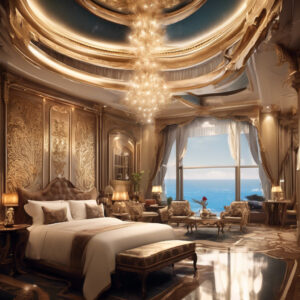
Creating an inviting and luxurious atmosphere in a hotel is essential for guest satisfaction. Every design element plays a crucial role in setting the ambiance, from the furniture to the choice of fabric. Among the many textile options available, voile fabric stands out as an excellent choice for hotels looking to enhance their aesthetic appeal while maintaining practicality. Known for its lightweight, sheer, and breathable nature, voile fabric is an elegant solution for various applications in the hospitality industry. This article explores how hotels can effectively incorporate voile fabric into their design and operations to improve ambiance, comfort, and functionality.

The Beauty and Benefits of Voile Fabric

Before delving into its applications, it’s important to understand why voile fabric is an exceptional choice for hotels. Voile is a semi-transparent fabric, often made from cotton, polyester, or a blend of both, and is renowned for its delicate and airy feel. Its benefits include:

Lightweight and Breathable: The fabric allows for natural airflow, making it ideal for warm climates.

Elegant Appearance: Voile adds a touch of sophistication with its soft and flowing drape.

Versatility: It can be used in various hotel spaces, including guest rooms, lobbies, dining areas, and event halls.

Easy Maintenance: Most voile fabrics are easy to clean and maintain, making them suitable for high-traffic hospitality environments.

Privacy Without Blocking Light: Voile strikes the perfect balance between maintaining privacy and allowing sunlight to filter through.

How Hotels Can Use Voile Fabric

Enhancing Guest Rooms with Voile Curtains

One of the most popular applications of voile fabric in hotels is for window treatments. Voile curtains create an airy and relaxing ambiance in guest rooms, allowing natural light to enter while providing privacy. They can be layered with heavier blackout curtains to offer guests flexibility in controlling light levels and maintaining privacy.

For a luxurious look, hotels can opt for floor-to-ceiling voile drapes, adding an element of sophistication and elegance to the room. Additionally, voile curtains in neutral shades such as white, beige, or soft pastels can complement various interior design themes.

Dividing Spaces with Voile Room Partitions

Hotels often need to create separate spaces within larger areas, and voile fabric can serve as an excellent material for partitions. Whether in suites, lounges, or dining areas, voile dividers provide a sense of separation without making the space feel closed off. The sheer quality of voile adds a soft, dreamy effect, making spaces feel more intimate while maintaining openness.

Voile partitions are particularly useful in spas and wellness areas, where guests value privacy but also want a relaxed and breathable environment. They can also be used in conference rooms, transforming the space into adaptable sections while maintaining an elegant atmosphere.

Upgrading Bedding and Canopy Designs

A hotel’s bedding setup greatly influences a guest’s perception of comfort and luxury. Voile fabric can be incorporated into bedding designs through canopies and bed drapes, creating a romantic and opulent setting. Canopy beds with voile curtains add a regal touch and enhance the overall aesthetic appeal of premium suites.

Hotels that focus on creating a boutique experience can use voile in bed skirts, pillow covers, or accent throws to introduce a soft, airy texture to their room décor. This approach works well in resorts, honeymoon suites, and themed luxury accommodations.

Decorative Voile Table Runners and Drapes in Dining Areas

Dining areas in hotels can benefit from voile fabric as well. Voile table runners and overlays add an element of lightness and refinement to dining tables, making meals feel more elegant. This is especially effective in fine dining restaurants, banquet halls, and wedding venues within the hotel.

Additionally, voile drapes can be used to create stunning ceiling and wall decorations, perfect for special events such as wedding receptions, gala dinners, or corporate gatherings. The gentle movement of voile fabric enhances the ambiance, making spaces feel dreamy and enchanting.

Lobby and Reception Area Accents

The hotel lobby is the first space guests encounter, and first impressions are key. Incorporating voile fabric into the lobby’s décor can create a welcoming and luxurious atmosphere. Voile can be used as window treatments, backdrop draping, or even as a covering for decorative light fixtures.

Hotels looking to add a modern and chic touch can opt for voile swags over reception desks or seating areas. The translucent quality of the fabric makes it an excellent choice for softening the architectural elements of the lobby while maintaining an inviting and contemporary feel.

Creating Outdoor Elegance with Voile Draping

Many hotels have outdoor spaces such as patios, cabanas, or poolside lounges that can benefit from the use of voile fabric. Sheer voile curtains can be draped around cabanas, pergolas, or open-air dining areas to create a breezy, resort-like feel.

In warm climates, voile fabric provides shade without completely blocking the view or air circulation. When tied back, the fabric adds a stylish element to outdoor structures, making them feel more upscale and exclusive.

Adding a Special Touch to Event Venues

Hotels that host weddings, conferences, and other special events can use voile fabric to enhance the aesthetics of their venues. Voile drapery is a staple in event design, often used for:

  • Backdrop draping for ceremonies and stages
  • Ceiling draping for a whimsical effect
  • Chair sashes and table swags for an elegant touch

By incorporating voile fabric into event décor, hotels can elevate their venue’s appeal, attracting more bookings for high-end events.

Using Voile for Promotional Displays and Branding

Voile fabric can also be incorporated into promotional displays and branding within a hotel. Printed voile banners with the hotel’s logo or themed designs can be placed in conference rooms, lounges, or promotional booths. The semi-transparent nature of voile allows for creative layering effects, adding a unique and modern touch to marketing materials.

Conclusion

Voile fabric is a versatile and stylish choice for hotels looking to enhance their interiors with elegance and practicality. Whether used in guest rooms, dining areas, lobbies, outdoor spaces, or event venues, voile adds a touch of sophistication while maintaining functionality. Its lightweight and breathable properties make it ideal for creating an inviting and luxurious ambiance that guests will appreciate.

By thoughtfully incorporating voile fabric into their design, hotels can improve guest satisfaction, create memorable experiences, and set themselves apart in the competitive hospitality industry. Whether aiming for a chic contemporary look or a romantic and classic aesthetic, voile fabric is a timeless choice that brings beauty and charm to any hotel setting.

Why a Texas Hill Country Hotel Needs to Hire a Custom Home Builder

Hotel News for Custom Home Builder

The Texas Hill Country is one of the most picturesque and sought-after destinations for travelers seeking a retreat that blends luxury with nature’s beauty. With its rolling hills, scenic rivers, and charming small towns, this region has become a hotspot for boutique hotels, bed and breakfasts, and resorts looking to offer guests a unique experience. However, building or expanding a hotel in this area comes with its own set of challenges and opportunities.

This is where a custom home builder becomes invaluable. Unlike a standard commercial construction firm that may focus on large-scale projects with a cookie-cutter approach, a custom home builder understands the nuances of creating structures that blend seamlessly with the landscape, honor regional architecture, and provide guests with a one-of-a-kind stay. This article explores the key reasons why a Texas Hill Country hotel should hire a custom home builder to bring its vision to life.

Preserving the Natural Beauty of the Hill Country

One of the defining features of the Texas Hill Country is its breathtaking scenery. Guests flock to this region to immerse themselves in nature, and any hotel built here must work in harmony with its surroundings rather than disrupt them. A custom home builder has the expertise to design and construct buildings that complement the rolling terrain, ensuring minimal environmental impact.

Unlike mass developers who may level land to simplify construction, a custom home builder will take a more thoughtful approach. They can use natural slopes to create tiered layouts that maximize views while preserving trees, rock formations, and native vegetation. They also incorporate sustainable practices such as rainwater collection systems, energy-efficient materials, and positioning buildings to take advantage of natural light and wind patterns.

Authentic Architectural Design

The Texas Hill Country has a rich architectural history, blending German, Spanish, and ranch-style influences. Travelers seeking an authentic experience expect accommodations that reflect this heritage, not generic buildings that could be found anywhere in the country. A custom home builder specializes in tailoring structures to fit a specific vision and style, ensuring that a hotel blends seamlessly with the local culture and aesthetic.

From rustic limestone exteriors and exposed wood beams to wrap-around porches and metal roofs, a custom home builder can incorporate design elements that honor the region’s history while integrating modern comforts. They also have access to skilled craftsmen who can create custom doors, windows, and ironwork that add an extra layer of authenticity and character to the hotel.

Crafting Unique Guest Experiences

Today’s travelers are looking for more than just a place to sleep; they want an experience. Hotels in the Texas Hill Country have an opportunity to stand out by offering bespoke accommodations that make a lasting impression. A custom home builder can help design unique spaces that cater to this demand, whether it’s standalone casitas with private patios, treehouse suites nestled in the oaks, or luxury cabins with outdoor showers and fire pits.

Additionally, a custom builder understands the importance of indoor-outdoor living in this region. They can create expansive decks, infinity pools with hilltop views, and open-air lounges that allow guests to fully embrace the natural surroundings. Whether the vision is a high-end boutique hotel with spa-like amenities or a rustic retreat that immerses guests in nature, a custom home builder can bring these ideas to fruition in ways that standard commercial builders might overlook.

Quality and Craftsmanship That Stands the Test of Time

A hotel is a long-term investment, and quality construction is crucial for ensuring that it remains a desirable destination for years to come. Custom home builders take pride in craftsmanship, using high-quality materials and skilled labor to create buildings that not only look beautiful but also stand up to the test of time.

This is particularly important in the Texas Hill Country, where extreme weather conditions—from scorching summers to occasional ice storms—can take a toll on poorly built structures. A custom home builder will know how to select the right materials, such as durable stone, metal roofing, and weather-resistant wood, to ensure longevity. They also emphasize attention to detail, resulting in a hotel that feels high-end and well-maintained from the moment guests arrive.

Flexibility and Personalization in Design

One of the biggest advantages of working with a custom home builder is the level of personalization they offer. Every hotel owner has a unique vision, and a custom builder works closely with them to bring that vision to life without the limitations of prefabricated designs or standardized layouts.

This flexibility extends to every aspect of the project, from room layouts and architectural features to custom-built furniture and fixtures. Want a grand entrance with a hand-carved wooden staircase? A series of interconnected courtyards inspired by Spanish haciendas? A wine cellar built into a limestone cave? A custom home builder can make it happen, ensuring that the hotel is a true reflection of its owner’s brand and identity.

Cost Efficiency in the Long Run

While hiring a custom home builder may seem like a more expensive option upfront compared to working with a general contractor, it often proves to be more cost-effective in the long run. Custom builders prioritize quality materials and construction techniques that reduce maintenance costs, prevent structural issues, and improve energy efficiency.

For example, a well-built hotel with proper insulation, high-performance windows, and energy-efficient HVAC systems can significantly lower utility costs. Additionally, the ability to tailor every detail means that the hotel is built to fit specific operational needs from the start, eliminating the need for costly renovations or retrofits down the road.

Navigating Local Regulations and Permits

Building in the Texas Hill Country comes with its own set of challenges, including zoning laws, environmental regulations, and permitting requirements. A custom home builder with experience in the region understands these complexities and can navigate them efficiently, ensuring that the project stays on schedule and within legal guidelines.

For instance, certain areas may have restrictions on building height, materials, or water usage due to conservation efforts. An experienced builder will be familiar with these regulations and can propose solutions that meet compliance while still achieving the desired aesthetic and functionality. Their relationships with local inspectors, engineers, and suppliers can also help streamline the approval process, reducing delays and unexpected costs.

Conclusion

In a region as unique and beautiful as the Texas Hill Country, building a hotel requires more than just basic construction—it requires vision, craftsmanship, and an understanding of the landscape and local culture. A custom home builder The Texas Hill Country is the ideal partner for bringing a hotel project to life, ensuring that it is not only visually stunning but also built to last, efficient to operate, and memorable for guests.

By prioritizing sustainability, authentic design, high-quality craftsmanship, and tailored guest experiences, a custom home builder helps create a hotel that stands out in a competitive market. Whether developing a new boutique retreat or expanding an existing property, hiring a custom home builder is a smart investment that pays off in guest satisfaction, operational efficiency, and long-term success.

The Importance of Industrial Painting for a Hotel: Enhancing Aesthetics, Safety, and Durability

hotel news for Industrial Painting

When it comes to maintaining and enhancing the value of a hotel, most people think of aspects like interior design, customer service, and amenities. However, one crucial factor that is often overlooked is the exterior and structural integrity of the building. Industrial painting, an essential yet frequently underestimated service, plays a significant role in preserving the longevity of the property and ensuring a welcoming and safe environment for guests. Whether a luxury resort, boutique hotel, or budget-friendly chain, the importance of industrial painting for a hotel cannot be overstated.

This blog post will explore why industrial painting is a vital investment for hotels. We’ll delve into how it impacts aesthetics, safety, energy efficiency, and long-term cost savings. Moreover, we will highlight how high-quality industrial painting contributes to creating a lasting impression on guests, boosting the hotel’s reputation and brand value.

Understanding Industrial Painting

Before discussing its significance for hotels, it’s important to understand what industrial painting entails. Industrial painting is not your average residential paint job. It involves specialized coatings designed to protect and preserve surfaces in high-traffic, high-stress environments. These coatings are used for industrial facilities, commercial properties, and any structures that are exposed to harsh conditions, such as extreme weather, heavy use, or chemicals.

In the context of hotels, industrial painting typically involves the use of durable, long-lasting coatings for both the interior and exterior of the building. This includes the application of protective paints, sealants, and finishes to safeguard the hotel against environmental damage, wear, and tear from constant use. The paint not only provides aesthetic value but also acts as a protective barrier, which helps maintain the hotel’s structure and keeps it looking fresh for years.

Aesthetic Appeal: The First Impression Matters

The exterior and interior appearance of a hotel can make or break a guest’s first impression. For a hotel to be competitive in a crowded market, it must present an image of professionalism, cleanliness, and luxury. This is where industrial painting shines—creating a polished, visually appealing environment that attracts guests and makes them feel comfortable from the moment they walk in.

Exterior Appeal: Curb Appeal is Key When potential guests arrive at a hotel, the first thing they see is the exterior. A freshly painted building immediately sends a message of well-maintained quality and attention to detail. Industrial-grade paints provide a smooth, clean, and vibrant finish that resists fading and weather damage. Over time, exterior surfaces, including walls, windows, doors, and trim, can become weathered by sun, rain, and wind. A high-quality industrial paint job offers protection against these elements, ensuring that the hotel maintains its visual appeal for years to come.

Interior Aesthetic Appeal: Enhancing Ambiance Inside the hotel, the painting is not just about walls; it affects the entire ambiance. Lobbies, hallways, rooms, and restaurants must reflect the mood and theme of the hotel. Whether aiming for a contemporary, minimalist design or a more luxurious, opulent style, industrial painting provides the opportunity to create an environment that fits the brand image. Specialized paints can also be used for accent walls, artistic designs, and murals, which add character and appeal to common areas and guest rooms.

Durability and Protection: Defending Against Harsh Conditions

Hotels are subject to a variety of environmental factors, including high humidity, temperature fluctuations, heavy foot traffic, and frequent cleaning. These factors can take a toll on the hotel’s surfaces and finishes, leading to wear and tear. Industrial painting provides protection against these elements, ensuring the hotel remains in excellent condition year-round.

Protection Against Weather Conditions In many locations, hotels are exposed to harsh weather conditions, such as rain, snow, extreme temperatures, and humidity. Exterior walls, roofs, and outdoor amenities like pools, decks, and walkways are particularly vulnerable. Industrial coatings, such as weather-resistant paints, can shield these surfaces from damage caused by water, heat, and cold. This helps prevent mold, mildew, and rot from setting in, which can lead to costly repairs down the road.

High-Traffic Areas: Durability in the Face of Heavy Use Hotels experience constant traffic from guests, staff, and maintenance workers, making high-traffic areas prone to wear. Hallways, stairwells, elevators, and restrooms, for instance, are subject to constant foot traffic, cleaning, and maintenance. Industrial paints are formulated to withstand this heavy use, preventing peeling, fading, or chipping. Special coatings can also be applied to floors to resist scuff marks and staining, ensuring that the hotel looks pristine even in areas that see frequent use.

Energy Efficiency: Saving Money and the Environment

One often overlooked benefit of industrial painting is its contribution to a hotel’s energy efficiency. The right type of industrial paint can improve insulation, reduce energy consumption, and lower heating and cooling costs. This, in turn, saves the hotel money and reduces its environmental footprint, a growing concern for eco-conscious guests and businesses alike.

Reflective Coatings: Reducing Heat Absorption Many industrial paints come with reflective properties that help bounce off sunlight and reduce heat absorption. For hotels located in areas with hot climates, this is especially important. By using reflective coatings, the hotel can maintain a more stable indoor temperature, reducing the strain on air conditioning units and lowering energy consumption. In addition, this can help reduce the hotel’s carbon footprint by decreasing the need for artificial cooling.

Improved Insulation: Saving on Heating Costs Industrial painting products can also help improve insulation. By applying insulating coatings to walls, roofs, and ceilings, the hotel can minimize heat loss during colder months. This will reduce the amount of energy needed for heating and ensure that guests remain comfortable without driving up utility bills.

Health and Safety: Creating a Safe Environment for Guests and Staff

A hotel is a place where guests expect to feel safe and comfortable, and part of that safety is ensuring that the building is free from harmful substances, such as lead, mold, and mildew. Industrial painting plays a key role in safeguarding against these threats.

Lead-Free Paints: Compliance and Safety Older hotels may still have remnants of lead-based paints on their walls and surfaces, which can pose a health risk, especially for children and vulnerable guests. Repainting the hotel with lead-free industrial paints ensures compliance with modern health and safety regulations and provides peace of mind for both staff and guests.

Mold and Mildew Prevention Humid environments, such as hotel bathrooms, laundry rooms, and kitchens, are ideal breeding grounds for mold and mildew. The application of antimicrobial industrial paints helps prevent mold growth, improving indoor air quality and reducing the risk of respiratory issues for guests and staff. This not only ensures a safe and healthy environment but also prevents costly repairs from water damage and mold infestations.

Cost Savings: Long-Term Benefits for Hotel Owners

While industrial painting may require a higher initial investment compared to regular paint jobs, the long-term cost savings are significant. A well-maintained hotel with regular industrial painting is less likely to incur expensive repairs or replacements for worn-out surfaces, structural damage, or environmental degradation. Let’s explore some of the cost-saving benefits:

Prolonged Lifespan of Surfaces By applying industrial coatings, surfaces are protected from the elements, reducing the need for frequent repairs or repainting. The durable, long-lasting nature of industrial paints means that hotel owners can avoid costly maintenance projects and keep the hotel in pristine condition for longer periods of time.

Increased Property Value A hotel that is well-maintained and consistently updated with industrial painting services will retain or increase its value over time. This is particularly important for hotel owners looking to sell or refinance their property in the future. Potential buyers will be attracted to a hotel that looks well-cared-for and is in good condition, knowing that the structural integrity has been preserved through regular industrial painting.

Conclusion

In conclusion, industrial painting plays a critical role in the overall maintenance and success of a hotel. Beyond the aesthetic appeal, it enhances the durability and protection of the building, ensures energy efficiency, improves guest and staff safety, and contributes to long-term cost savings. As a hotel owner or manager, investing in high-quality industrial painting is an investment in the future success and reputation of your business.

By creating a safe, visually appealing, and durable environment, industrial painting ensures that your hotel not only attracts guests but also retains them, creating an experience they won’t soon forget. Whether you’re looking to refresh the exterior or maintain the integrity of high-traffic areas, the benefits of industrial painting will continue to pay dividends for years to come.

Why a Hotel Needs a Structural Engineer: A Vital Part of Building Design and Safety

hotel news for Structural Engineer

When building or renovating a hotel, many factors come into play. From design and architecture to interior decoration and customer experience, every detail matters. However, one critical aspect that often goes unnoticed by the general public is the role of structural engineers in the hotel’s creation and upkeep. Structural engineers play an essential role in ensuring the safety, durability, and longevity of hotel buildings. They are the professionals who ensure that the foundation, frame, and overall structure can support the design and usage demands while withstanding environmental pressures.

In this article, we will explore why hotels need structural engineers, how they contribute to the building process, and the benefits of their expertise. From ensuring safety to enhancing the hotel’s resilience and long-term sustainability, structural engineers are indispensable in the hotel construction and renovation process.

The Importance of Structural Integrity in Hotel Buildings

Hotel buildings are unique structures designed to accommodate large numbers of guests. The building needs to have the capacity to withstand the wear and tear of constant foot traffic, with a wide range of activities taking place on various floors at any given time. Structural engineers ensure that the hotel’s design and construction are robust and capable of handling such usage.

In any construction project, the primary role of the structural engineer is to design the framework of the building, including the foundation, beams, columns, and floors. The structural engineer’s task is to determine the appropriate materials, dimensions, and construction methods based on the building’s purpose, location, and anticipated use. For a hotel, this includes not only the structural design of the main building but also supporting features such as parking garages, pools, conference rooms, and other amenities.

Ensuring Safety and Compliance with Building Codes

Hotels must adhere to strict safety standards to protect guests, employees, and the building itself. This includes compliance with local, state, and national building codes and regulations. Structural engineers are well-versed in these codes and regulations, ensuring that the hotel meets or exceeds safety standards for factors like seismic activity, wind load, fire resistance, and accessibility.

Safety begins with the foundation. A hotel must be built on stable ground, and the foundation must be designed to support the weight of the entire structure. A structural engineer evaluates soil conditions, groundwater levels, and other environmental factors before designing the foundation. By ensuring the foundation is solid, the engineer helps prevent future issues like sinking, cracking, or tilting of the building. In addition, the engineer is responsible for ensuring that the building can resist natural disasters such as earthquakes, floods, and hurricanes—common concerns in certain geographical areas.

Load-Bearing Capacity and Building Usage

A hotel is often a multi-story structure with a variety of spaces intended for different uses, such as guest rooms, conference centers, restaurants, pools, and entertainment areas. Each space places different demands on the building’s structure. For instance, a ballroom or conference room will likely require a greater load-bearing capacity due to the heavy furniture, equipment, and large numbers of people it may accommodate. Structural engineers assess these factors and design the building’s framework to handle the specific loads.

By conducting thorough load analyses, structural engineers can ensure that the building is capable of supporting the weight of all components—whether that’s the weight of the building’s structure itself, furniture, equipment, or occupants. Without proper load analysis, a hotel could face significant structural problems, such as sagging floors, cracks in the walls, or even catastrophic failures.

Ensuring Longevity and Sustainability

A hotel is a significant investment, and one of the primary goals of any construction project is to ensure that the building stands the test of time. Structural engineers are integral to the building’s longevity by choosing materials that offer durability and by designing structures that minimize the wear and tear caused by daily use. Furthermore, hotels are often subject to constant maintenance due to the number of guests, services, and amenities they offer. The ability to manage long-term stress without significant repair is crucial.

Sustainability has become a critical consideration in modern construction, and structural engineers play a key role in this. They help incorporate sustainable practices into the building’s design by selecting materials with a minimal environmental impact, designing for energy efficiency, and incorporating technologies like solar panels or green roofs. By focusing on sustainable and energy-efficient solutions, structural engineers help reduce the hotel’s carbon footprint and operating costs.

Addressing Specific Challenges in Hotel Construction

Hotel buildings often face unique structural challenges that demand specialized knowledge from structural engineers. These challenges can arise from the size and scale of the project, the design complexity, and the need to accommodate various amenities and guest services. Some of the key challenges that structural engineers help address in hotel construction include:

Height and Elevation: High-rise hotels require sophisticated structural designs that address vertical loads, wind forces, and other challenges unique to tall buildings. Engineers must ensure that the building can safely withstand the forces exerted on it as it rises higher into the sky.

Mixed-Use Design: Many modern hotels incorporate a mix of uses, such as office spaces, retail shops, or residential apartments within the same building. Structural engineers need to account for the different demands each use places on the building’s structure, ensuring that each section of the building performs as expected.

Acoustic Considerations: Hotels must be designed to offer comfort and privacy for their guests. Structural engineers work with architects to ensure that the building minimizes noise transfer between rooms and floors, an essential aspect of the guest experience.

Historical Preservation: In cases where a hotel is being built in a historically significant building, structural engineers must carefully navigate preservation guidelines while ensuring the building’s structural integrity is maintained. This requires a blend of modern engineering techniques and respect for the building’s historical features.

Collaborating with Architects and Other Professionals

A hotel construction project involves a team of professionals, including architects, interior designers, contractors, and mechanical and electrical engineers. Structural engineers play an essential role in collaborating with these professionals to create a cohesive design that meets the hotel’s needs and ensures the building is structurally sound.

For instance, while architects may be focused on the aesthetics and layout of the hotel, structural engineers ensure that the design is feasible from an engineering standpoint. They may recommend changes to the design to address practical concerns, such as load-bearing walls or materials that would enhance the building’s durability. Effective collaboration ensures that the hotel is not only beautiful and functional but also safe and long-lasting.

The Role of Structural Engineers in Hotel Renovations and Maintenance

Hotels, like all buildings, require regular maintenance and occasional renovations. Whether the hotel is undergoing an expansion, redesign, or simple repairs, structural engineers play a vital role in evaluating and overseeing these changes. They assess the building’s current condition and determine what structural modifications are necessary to meet updated standards, accommodate new uses, or enhance the building’s performance.

During renovations, structural engineers may uncover issues with the existing structure that were not evident when the hotel was initially built. This might include structural damage, code violations, or other challenges that need to be addressed to ensure the building’s safety. Their expertise ensures that any renovation work is done correctly and with long-term durability in mind.

Conclusion

In the construction and operation of a hotel, a structural engineer near me play a critical role in ensuring safety, stability, and long-term performance. From designing foundations and frameworks to addressing specific challenges like load-bearing capacity, seismic activity, and sustainability, these professionals are integral to creating a hotel that is not only aesthetically pleasing but also structurally sound. Their expertise in handling the unique demands of hotel buildings—from their height to their mixed-use nature and the challenges posed by large guest populations—ensures that the hotel can stand the test of time.

Whether building a new hotel, expanding an existing one, or renovating a historical property, a structural engineer’s insights and services are essential to ensuring the success of the project. As the hospitality industry continues to evolve, the importance of structural engineers in creating safe, sustainable, and enduring hotel buildings cannot be overstated.

The Ultimate Upper Chest Workout You Can Do in Any Hotel Room

hotel news for chest workout

When you’re on the road, whether it’s for business, a vacation, or an unexpected trip, it’s easy to let your fitness routine slide. You tell yourself, “I’ll get back to it when I return home.” But here’s the truth: Every day you put off your goals is a day you’re training yourself to accept mediocrity. And you? You’re built for more than that. You’re built to dominate.

One of the biggest challenges while traveling is finding a way to effectively train your upper chest. You don’t have access to your gym, your bench press, your dumbbells. But that doesn’t mean you can’t sculpt powerful, defined pecs that command presence. You just need to be strategic. The key isn’t just working out—it’s about training with purpose, intensity, and smart execution.

In this article, I’m going to lay out the best upper chest workout you can do in a hotel room. No fancy equipment. No excuses. Just results. If you’re ready to level up, let’s dive in.


Why Train Upper Chest?

Before we get into the workout, let’s talk about why training the upper chest matters. Your upper pecs create that powerful, broad-chested look that exudes confidence and strength. A well-developed upper chest makes your shoulders pop, enhances your posture, and gives you that chiseled physique that looks just as good in a suit as it does in a T-shirt. But most guys neglect it. They focus on flat bench presses and standard push-ups, leaving their upper chest underdeveloped.

To build a dominant chest, you need to target the clavicular head of the pectoralis major—the upper portion that gives your chest that full, sculpted appearance. And the good news? You don’t need a bench or a barbell to do it.


The Ultimate Hotel Upper Chest Workout

This workout is designed to push your upper chest to its limits using only bodyweight and minimal space. Here’s the breakdown:

Incline Push-Ups (4 Sets of 12-15 Reps)

If you want to hit the upper chest, incline push-ups are your bread and butter. They mimic the incline bench press by shifting more focus onto the upper pecs.

How to do it:

  • Find a sturdy surface like the edge of a bed, a desk, or a chair.
  • Place your hands shoulder-width apart on the elevated surface.
  • Keep your body in a straight line from head to heels.
  • Lower your chest until it’s just above the surface, then push back up explosively.

Pro tip: Control the eccentric (lowering) phase to maximize muscle activation.

Pike Push-Ups (3 Sets of 10-12 Reps)

Pike push-ups primarily target the shoulders, but they also activate the upper chest. Done correctly, they’ll help you build that thick, strong clavicular head.

How to do it:

  • Start in a downward dog position, with your hips high and hands shoulder-width apart.
  • Lower your head towards the floor, keeping your elbows at about a 45-degree angle.
  • Push back up powerfully.

Pro tip: Elevate your feet on a bed or chair to increase difficulty and maximize upper chest engagement.

Feet-Elevated Push-Ups (4 Sets of 12-15 Reps)

This is where the magic happens. Elevating your feet shifts even more focus onto the upper chest, simulating an incline press movement without weights.

How to do it:

  • Place your feet on a bed or chair and your hands on the floor.
  • Keep your core tight and spine neutral.
  • Lower your chest toward the floor, then explode back up.

Pro tip: Keep your elbows slightly tucked to prevent shoulder strain and maximize pec activation.

Isometric Squeeze Push-Ups (3 Sets of 10-12 Reps with 5-Second Holds)

This movement is all about maximizing tension, which leads to greater muscle activation and growth.

How to do it:

  • Start in a standard push-up position but bring your hands closer together (diamond shape or slightly wider).
  • Lower yourself and hold at the bottom for 5 seconds before pushing up.

Pro tip: Squeeze your chest as hard as possible during the hold to maximize tension.

Towel Squeeze Press (3 Sets of 15 Reps)

This movement simulates a cable crossover without equipment, emphasizing chest contraction.

How to do it:

  • Grab a towel or a piece of clothing and hold it in front of you with your hands about shoulder-width apart.
  • Press your hands together as hard as possible while extending your arms outward and back in.

Pro tip: Focus on squeezing your chest the entire time, as if you’re crushing a basketball between your hands.


The Power of Progressive Overload

Now, you might be thinking, “how do I keep making progress if I’m only using bodyweight?” That’s where progressive overload comes in. Your muscles don’t grow because of the weight on the bar; they grow because of increasing challenge and tension over time. Here’s how to apply it in a hotel workout:

Increase reps or sets each session.

Slow down the eccentric (lowering) phase to create more time under tension.

Add explosive power—push up faster and with more force.

Shorten rest periods to intensify the burn.

Your body doesn’t care if you’re lifting weights or using your own body. It responds to effort, intensity, and consistency.


The Mindset Shift: Stop Making Excuses

Most people don’t stay consistent when they travel. They let their environment dictate their actions. But success—whether it’s in fitness, business, or life—is about taking control. No excuses. No waiting until you get back home. No saying, “I’ll start again next week.” Champions find a way. Everyone else finds an excuse.

When you wake up in that hotel room, you have two choices: You can stay in bed and scroll through your phone, or you can get up and dominate your day. It’s not just about your chest—it’s about your mindset. It’s about proving to yourself that no matter where you are, no matter what’s going on, you show up. And when you make that commitment, every other area of your life levels up.


Conclusion: Own Your Fitness, Own Your Life

You don’t need a gym. You don’t need equipment. You don’t need a single excuse. What you need is the decision to execute. This best upper chest workout is your roadmap. Follow it, stay consistent, and you’ll build a chest that commands attention—even from a hotel room.

Greatness doesn’t happen by accident. It happens by choice. Today, you choose to rise. Today, you choose to get better. No matter where you are, no matter what life throws at you, YOU are in control.

Now get to work. Your best self is waiting.

How Hotels Can Leverage Conventions to Attract SEO Clients as Guests

hotel news for SEO clients

Hotels are always looking for innovative ways to increase occupancy rates and attract new guests. While traditional marketing tactics such as online ads, social media campaigns, and partnerships with travel agencies remain effective, one of the most overlooked opportunities for hotels lies in hosting conventions. Specifically, conventions focused on digital marketing, including search engine optimization (SEO), present a unique opportunity for hotels to position themselves as the preferred lodging choice for an audience that is not only business-driven but also highly influential online.

By bringing SEO professionals and digital marketers into their establishments through well-organized conventions, hotels can gain exposure to an audience that understands the power of online visibility. This article explores why hosting SEO conventions is a strategic move for hotels, how to plan and promote these events, and the long-term benefits of attracting SEO clients as hotel guests.

Why SEO Conventions Are a Strategic Opportunity for Hotels

SEO professionals and digital marketers travel frequently for business, workshops, and networking opportunities. When hotels host events tailored to these professionals, they create a unique ecosystem where business and hospitality seamlessly intersect. Here’s why it’s a winning strategy:

High-Value Clients: SEO professionals often work with companies that have significant marketing budgets, making them high-value clients who are likely to spend on premium accommodations, dining, and business amenities.

Longer Stays: Many conventions last multiple days, which means extended stays for attendees and higher revenue for the hotel.

Online Exposure: SEO professionals are tech-savvy and highly active on social media. If they have a great experience, they are likely to share it on platforms like LinkedIn, Twitter, and even write blog posts or reviews that can significantly boost the hotel’s online reputation.

Future Business Potential: A positive experience at an SEO convention could lead to returning business from attendees who might book future stays when they travel for work or leisure.

How to Successfully Host an SEO Convention

Planning and executing an SEO-focused convention requires careful preparation, collaboration, and promotion. Below are the key steps hotels should take to ensure a successful event:

Identify Key SEO Industry Leaders and Organizations

Partnering with industry influencers, SEO agencies, and organizations can help attract a high-caliber audience. Reach out to:

  • SEO thought leaders and keynote speakers
  • Digital marketing agencies looking for networking opportunities
  • Local business chambers interested in digital growth
  • Professional organizations like SEMrush, Moz, or Ahrefs

Create an Appealing Convention Program

A well-structured agenda will make the convention more attractive to SEO professionals. Consider including:

  • Keynote speeches by SEO experts
  • Hands-on workshops on technical SEO, content marketing, and link-building strategies
  • Panel discussions on future trends in search engine optimization
  • Networking sessions and Q&A panels

Optimize the Hotel’s Infrastructure for Digital Marketers

Since SEO professionals rely heavily on digital tools, a hotel hosting an SEO convention must offer top-tier amenities, such as:

  • High-speed Wi-Fi with dedicated bandwidth for conference attendees
  • Tech-friendly meeting spaces with high-quality A/V equipment
  • Co-working lounges with charging stations and ergonomic seating

Develop Attractive Accommodation Packages

To encourage attendees to stay at the hotel rather than seek alternative accommodations, offer:

  • Discounted room rates for convention attendees
  • Special perks like free breakfast, airport shuttles, or spa access
  • Exclusive networking dinners or happy hours to enhance attendee engagement

Leverage SEO and Digital Marketing to Promote the Convention

Ironically, many hotels fail to optimize their own SEO strategies when marketing events. Since the target audience consists of SEO professionals, it’s crucial that the convention ranks well online. Steps to achieve this include:

Creating a dedicated landing page optimized for keywords like “SEO convention [city name]” or “digital marketing conference at [hotel name]”

Publishing blog content related to the event, such as interviews with speakers or industry trend insights

Running PPC ads targeted at digital marketers and business professionals

Engaging in email marketing campaigns to promote early-bird registration discounts

Collaborating with industry influencers to amplify event visibility

Engage Attendees Beyond the Convention

The benefits of hosting an SEO convention shouldn’t end once the event is over. Hotels can continue engaging attendees by:

  • Sending follow-up emails with highlights, presentations, and exclusive hotel offers for future stays
  • Encouraging attendees to leave reviews about their experience
  • Offering a loyalty program or discounts for repeat visits

Long-Term Benefits of Hosting SEO Conventions

Hosting an SEO convention isn’t just about filling rooms for a few days—it’s an investment in long-term hotel growth. The key benefits include:

Enhanced Online Visibility and Reputation

SEO professionals understand how to rank content, and they’re likely to mention the hotel in blog posts, social media, and event recaps. This can lead to increased backlinks, improved domain authority, and higher search rankings for the hotel’s website.

Increased Business Travel Bookings

SEO professionals work with multiple industries, and a well-executed convention can put the hotel on the radar of corporate clients who may book future business events, retreats, and meetings.

Greater Social Media Engagement

Attendees will likely share their experiences online, posting pictures, tagging the hotel, and providing real-time updates. This kind of organic social media exposure is invaluable for brand awareness and reputation building.

Stronger Industry Partnerships

Once a hotel establishes itself as a premier location for SEO conventions, it opens the door to future partnerships with tech companies, marketing agencies, and business organizations seeking event venues.

Conclusion

In an era where digital presence matters more than ever, hotels that cater to the SEO industry through conventions stand to gain significantly. By hosting well-planned SEO conferences, hotels can get SEO clients and increase occupancy rates, improve online reputation, and establish themselves as industry leaders in the hospitality and business events space. The key lies in strategic planning, robust promotion, and ensuring that attendees have an unforgettable experience. By doing so, hotels can build a loyal clientele among digital marketing professionals while boosting their own online visibility in the process.

If you’re a hotel looking for a way to differentiate yourself in a competitive market, it’s time to consider the power of SEO conventions—because when SEO professionals are talking about your hotel, the whole internet is listening.

Why an Ocala, FL Hotel Would Need an SEO Company

hotel news for SEO company

Ocala, Florida, is a vibrant city known for its equestrian culture, natural beauty, and historic charm. As a popular destination for tourists, business travelers, and equestrian enthusiasts, the hospitality industry in Ocala is highly competitive. For hotels in this area, attracting guests and maintaining a strong online presence is crucial for success.

With the rise of digital marketing, hotels can no longer rely solely on traditional advertising methods such as print ads and word-of-mouth referrals. Instead, they must optimize their online presence to capture potential guests who are searching for accommodations through search engines like Google. This is where a specialized SEO (Search Engine Optimization) company becomes invaluable. In this article, we’ll explore why an Ocala hotel would need an SEO company and how it can benefit from a well-crafted SEO strategy.

The Importance of SEO for Hotels

SEO is the process of optimizing a website to rank higher on search engine results pages (SERPs). When potential guests search for hotels in Ocala, the ones that appear at the top of the search results are more likely to get bookings. SEO involves various strategies, including keyword optimization, content creation, link building, and technical improvements to a hotel’s website. Here’s why SEO is critical for an Ocala hotel:

Increased Visibility and Bookings
The majority of travelers begin their search for accommodations online. If a hotel’s website does not appear on the first page of search results, it is unlikely to be seen by potential guests. An SEO company can help improve rankings, making the hotel more visible and increasing direct bookings.

Competition with National Chains
Many hotels in Ocala have to compete with well-known national and international chains that have significant marketing budgets. An SEO company can help smaller or independent hotels level the playing field by implementing strategies that target local searches and niche markets.

Targeting the Right Audience
Not all travelers are the same. Some may be visiting Ocala for equestrian events, while others may be there for business or leisure. An SEO company can tailor a hotel’s content and keywords to attract the most relevant audience, ensuring that the right travelers find their website.

Key SEO Strategies for Hotels

An experienced SEO company will implement various strategies to enhance a hotel’s online presence. Here are some of the most effective tactics:

Local SEO Optimization

Local SEO is essential for hotels since most guests search for accommodations in a specific location. An SEO company will optimize the hotel’s Google Business Profile, ensuring that it appears in local search results and on Google Maps. They will also work on getting the hotel listed in relevant local directories, such as Yelp and TripAdvisor.

 Keyword Optimization

A well-executed SEO campaign involves researching and using the right keywords. For an Ocala hotel, this could include keywords such as “best hotels in Ocala FL,” “Ocala horse country accommodations,” or “luxury hotels near Silver Springs State Park.” By incorporating these keywords into the hotel’s website content, meta descriptions, and blog posts, an SEO company can help the hotel rank higher on search engines.

High-Quality Content Creation

Content is king in the world of SEO. A good SEO company will create engaging and informative content that attracts visitors and encourages them to book a stay. This might include:

  • Blog posts about local attractions, events, and travel tips.
  • Detailed descriptions of hotel amenities and services.
  • FAQs that answer common traveler questions.
  • Customer testimonials and case studies to build trust.

Link Building and Online Reputation Management

Building backlinks from reputable websites can significantly improve a hotel’s search engine rankings. An SEO company will work to get mentions and links from travel websites, blogs, and local business directories. Additionally, they will manage online reviews and reputation by responding to guest feedback and encouraging satisfied customers to leave positive reviews.

Mobile Optimization

More than half of all online searches are conducted on mobile devices. If a hotel’s website is not mobile-friendly, it can negatively impact user experience and search rankings. An SEO company will ensure that the hotel’s website loads quickly, has an intuitive design, and provides a seamless booking process on mobile devices.

Technical SEO Improvements

Technical SEO refers to optimizing the backend of a website to improve performance and user experience. This includes:

  • Enhancing site speed and performance.
  • Fixing broken links and improving site structure.
  • Implementing schema markup to provide better search result snippets.
  • Ensuring proper indexing by search engines.

The ROI of Hiring an SEO Company

Some hotel owners may be hesitant to invest in SEO services, but the return on investment (ROI) can be substantial. Here are a few reasons why SEO is a worthwhile investment:

Higher Direct Bookings: When a hotel ranks well on Google, it receives more direct bookings, reducing dependence on third-party booking sites that charge commissions.

Long-Term Benefits: Unlike paid advertisements that stop generating traffic once the budget runs out, SEO provides long-lasting results.

Cost-Effective Marketing: SEO is often more cost-effective than traditional marketing methods, as it targets travelers actively searching for accommodations.

Stronger Brand Authority: A well-optimized website with quality content establishes the hotel as a trusted option in the market.

Conclusion

For an Ocala, FL hotel to remain competitive in today’s digital landscape, SEO is no longer optional—it’s a necessity. With the right SEO strategies, a hotel can increase its visibility, attract the right audience, and boost direct bookings. Hiring a professional Ocala Florida SEO company ensures that the hotel’s website is optimized for search engines, stays ahead of the competition, and continuously adapts to algorithm changes.

Whether it’s through local SEO, keyword optimization, content creation, or mobile-friendly improvements, an SEO company can significantly impact a hotel’s online success. Investing in SEO not only enhances a hotel’s digital presence but also ensures that it remains a top choice for travelers seeking accommodations in Ocala. With expert guidance, hotels can turn online searches into confirmed reservations and maximize their revenue potential.

Why Hotels Need IT Support for Small Business

hotel news for IT Support for Small Business

In the modern hospitality industry, technology is no longer a luxury—it is a necessity. Hotels, whether independent boutique establishments or part of a larger chain, rely heavily on IT systems to ensure smooth operations, enhance guest experiences, and maintain security. From reservation management systems to Wi-Fi connectivity and cybersecurity, technology plays a crucial role in every aspect of hotel management. However, many small to mid-sized hotels lack the resources to employ an in-house IT team, making IT support for small businesses an essential service. In this article, we will explore why hotels need IT support, the challenges they face, and the benefits of outsourcing IT services to ensure seamless and efficient operations.

The Role of IT in Hotels

Technology permeates almost every function within a hotel, from front desk operations to back-end administration. Some of the key areas where IT support is crucial include:

Reservation and Booking Systems

A reliable reservation system is essential for any hotel to manage bookings, prevent overbooking, and streamline check-ins and check-outs. Many hotels use property management systems (PMS) or customer relationship management (CRM) software to handle reservations. Without proper IT support, these systems can experience downtimes, glitches, or even data loss, which can lead to lost revenue and dissatisfied customers.

Internet and Wi-Fi Connectivity

In today’s digital world, guests expect seamless and high-speed internet access throughout the hotel. Slow or unreliable Wi-Fi can result in negative reviews and decreased guest satisfaction. IT support ensures that the network infrastructure remains robust, with the ability to troubleshoot connectivity issues, manage bandwidth, and secure the network from cyber threats.

Cybersecurity and Data Protection

Hotels handle a significant amount of sensitive customer data, including credit card information, personal details, and travel itineraries. This makes them prime targets for cyberattacks. IT support helps implement strong security protocols, such as firewalls, encryption, and secure payment gateways, to protect guest information from data breaches and fraud.

Smart Room Technology

With the rise of smart hotel rooms featuring automated lighting, climate control, and voice-activated assistants, IT support is essential to maintain these technologies. Ensuring that these systems work efficiently not only enhances the guest experience but also improves energy efficiency and reduces operational costs.

Point of Sale (POS) Systems

Hotels often have restaurants, bars, and gift shops that require POS systems to process transactions. IT support is crucial in ensuring these systems remain operational, secure, and integrated with the hotel’s accounting and inventory systems to avoid discrepancies and financial losses.

Challenges Faced by Hotels Without IT Support

Hotels that lack proper IT support face numerous challenges that can negatively impact their business. Some of these challenges include:

Frequent System Downtime

Without dedicated IT support, hotels may experience frequent system failures, leading to lost reservations, delayed check-ins, and frustrated guests. These downtimes can significantly impact the reputation and profitability of the hotel.

Security Vulnerabilities

Without proper cybersecurity measures, hotels are vulnerable to hacking, data breaches, and ransomware attacks. A lack of IT support means that security patches and software updates may not be implemented in a timely manner, putting guest data at risk.

High Maintenance Costs

Hotels attempting to manage IT issues without professional support often end up spending more money on emergency repairs and replacements. Having a dedicated IT support team helps prevent costly disruptions by providing proactive maintenance and troubleshooting services.

Inconsistent Guest Experience

Guests expect a seamless digital experience during their stay. Poorly maintained technology, such as faulty room keys, weak Wi-Fi signals, or malfunctioning entertainment systems, can lead to negative reviews and decreased customer loyalty.

Benefits of Outsourcing IT Support for Small Hotels

For small and mid-sized hotels, outsourcing IT support offers a cost-effective solution to managing technological challenges. Here are some key benefits:

Cost Savings

Hiring a full-time in-house IT team can be expensive. Outsourcing IT services allows hotels to access expert technical support at a fraction of the cost, making it an ideal solution for budget-conscious businesses.

24/7 Technical Assistance

Technology issues can arise at any time, and downtime can lead to significant losses. Outsourced IT support providers offer round-the-clock assistance to ensure that any technical problem is resolved quickly and efficiently.

Enhanced Security

Professional IT support companies specialize in cybersecurity and can implement advanced security measures to protect hotel data. This includes regular system audits, firewall management, and data backup solutions.

Scalability and Flexibility

As hotels grow, their IT needs evolve. Outsourced IT support provides the flexibility to scale services up or down based on demand. Whether expanding to multiple locations or upgrading to new technologies, IT service providers can adapt to the hotel’s needs.

Access to the Latest Technology

Technology is constantly evolving, and keeping up with the latest advancements can be challenging for small hotels. IT service providers stay updated on the latest trends and innovations, ensuring that hotels benefit from cutting-edge technology solutions.

Conclusion

In today’s competitive hospitality industry, hotels must embrace technology to provide superior guest experiences, maintain security, and streamline operations. However, managing IT infrastructure can be challenging, especially for small to mid-sized hotels that lack in-house expertise. Outsourcing IT support for small business offers a cost-effective, reliable, and secure solution that ensures hotels remain operational, secure, and technologically advanced. By investing in professional IT support, hotels can focus on delivering exceptional service while leaving the technical challenges to the experts. Whether it’s maintaining reservation systems, ensuring cybersecurity, or optimizing Wi-Fi networks, IT support is an essential component of a successful hotel business.

Why Hotels Should Invest in Epoxy Flooring

hotel news for Epoxy Flooring

In today’s highly competitive hotel industry, every detail matters when it comes to ensuring guest satisfaction and maintaining a safe, aesthetically pleasing environment. Hotels strive to offer an exceptional experience by providing outstanding customer service, luxurious accommodations, and clean, well-maintained facilities. One often-overlooked element of hotel design and maintenance is flooring. The type of flooring used can significantly impact the overall experience of both guests and staff. While there are many flooring options to choose from, one material that stands out for its durability, versatility, and aesthetic appeal is epoxy flooring. This article explores the reasons why hotels should seriously consider investing in epoxy flooring.

What Is Epoxy Flooring?

Epoxy flooring consists of a resin-based material that is applied as a coating over existing concrete floors. This solution forms a strong, durable bond, creating a seamless, high-performance surface. Epoxy coatings are available in various formulations, which can be customized based on the specific needs of the hotel. The result is a smooth, long-lasting, and easy-to-maintain floor that can withstand the wear and tear typical of high-traffic areas in hotels.

Durability and Longevity

One of the most significant advantages of epoxy flooring is its exceptional durability. Hotels are high-traffic environments, with thousands of guests passing through the hallways, lobbies, and common areas each day. In addition, the foot traffic can include luggage carts, cleaning equipment, and various hotel vehicles, all of which can contribute to the deterioration of traditional flooring materials like carpet, hardwood, or vinyl.

Epoxy flooring is highly resistant to wear and tear, scratches, stains, and impact. This makes it an excellent choice for areas that experience frequent traffic or heavy use, such as hotel entrances, corridors, kitchens, laundry rooms, and restrooms. Epoxy floors are also highly resistant to chemicals, oils, and cleaning agents, making them an ideal option for hotels that must maintain high cleanliness standards. Over time, the durability of epoxy flooring means fewer repairs and replacements, which translates into significant cost savings.

Ease of Maintenance

Hotel cleanliness is paramount to guest satisfaction, and maintaining pristine floors is a significant part of this. Traditional flooring options like carpet or wood require regular cleaning, polishing, or even replacement over time. With epoxy flooring, the maintenance process is far simpler and more cost-effective.

Epoxy flooring is easy to clean and maintain. The surface is non-porous, which means that dirt, liquids, and other debris are less likely to penetrate the material. This prevents the growth of mold, bacteria, and other pathogens, which can be problematic in areas like bathrooms or kitchens. Spills and stains can be easily wiped away with a damp mop, and the surface remains visually appealing without the need for frequent waxing or polishing. Moreover, the seamless nature of epoxy flooring means that there are no grout lines or seams where dirt can accumulate, further simplifying the cleaning process.

In addition, because epoxy floors are resistant to scratches, stains, and fading, they retain their glossy appearance even after years of use. This low-maintenance solution helps hotel owners save on both time and cleaning costs, while also ensuring that floors continue to look polished and professional.

Aesthetic Appeal

First impressions are crucial in the hospitality industry, and the aesthetic of a hotel plays a big role in the overall guest experience. Epoxy flooring offers an array of design possibilities that can enhance the look and feel of a hotel’s interior spaces.

Epoxy coatings can be customized with various colors, textures, and finishes, making it easy for hotel owners to match the flooring with the overall design theme of their property. Whether a hotel aims for a sleek, modern look or a more traditional, classic aesthetic, epoxy flooring can be tailored to suit the vision. Decorative chips or metallic pigments can be incorporated into the resin, creating visually appealing effects that are unique to the property. Furthermore, epoxy floors can be designed to reflect the hotel’s branding, logo, or color scheme, adding an extra layer of personalization.

Additionally, epoxy flooring provides a high-gloss finish that adds a sense of luxury and cleanliness to hotel interiors. The reflective surface helps brighten up spaces by maximizing natural light, which is particularly beneficial for lobbies, dining areas, and other public spaces.

Safety Benefits

In a hotel setting, safety is a top priority. Hotels must ensure that their guests and staff can move around the premises without risk of slips, trips, or falls. Epoxy flooring can be tailored to enhance safety, as it offers excellent slip resistance, even in wet or high-moisture areas such as bathrooms, pool decks, and kitchens.

Epoxy coatings can be mixed with non-slip additives that create textured surfaces, providing additional traction for guests and staff. This feature is particularly important in areas where spills are common, such as near water fountains, swimming pools, and hotel bars. By investing in epoxy flooring, hotel owners can reduce the risk of slip-and-fall accidents, which in turn can help lower liability risks and insurance costs.

Moreover, epoxy flooring is fire-resistant, which adds another layer of safety in the event of an emergency. Hotels with epoxy-coated floors benefit from an added sense of security, as these floors are less likely to catch fire or spread flames compared to other flooring materials.

Sustainability and Eco-Friendliness

In today’s environmentally conscious world, more businesses are focusing on sustainability and reducing their ecological footprint. Hotels are no exception, as they look for ways to operate more efficiently and eco-friendly. Epoxy flooring can be a part of this effort, as it offers several environmental benefits.

Epoxy flooring can be applied directly over existing concrete floors, eliminating the need for demolition and disposal of old flooring materials. This reduces the amount of waste sent to landfills, contributing to a more sustainable approach to construction and renovation. Additionally, many epoxy formulations are made with low levels of volatile organic compounds (VOCs), which means they emit fewer harmful chemicals into the environment, promoting better indoor air quality for both guests and staff.

Epoxy coatings can also improve energy efficiency by reflecting light and heat, helping to keep indoor spaces cooler in the summer and warmer in the winter. This can reduce the reliance on artificial lighting and heating/cooling systems, leading to potential energy savings for hotel owners.

Cost-Effectiveness

While the initial installation cost of epoxy flooring may be higher than some other materials, the long-term cost benefits make it an excellent investment for hotels. As previously mentioned, the durability and low-maintenance nature of epoxy flooring result in fewer repairs, replacements, and cleaning costs over time. Additionally, the lifespan of epoxy floors is far greater than that of carpets, vinyl, or wood, making it a more cost-effective option in the long run.

Hotels can also save money by avoiding costly replacements due to stains, scratches, or water damage. Epoxy flooring’s resistance to moisture, chemicals, and heavy use ensures that it will continue to look good and function well for years to come, minimizing the need for frequent upkeep.

Conclusion

Epoxy flooring near me presents a wealth of benefits for hotels, making it a smart investment for both new builds and renovation projects. With its durability, ease of maintenance, aesthetic appeal, safety features, and eco-friendliness, epoxy flooring enhances both the functionality and visual appeal of hotel spaces. Not only does it create a high-quality environment for guests, but it also helps hotel owners save on long-term maintenance costs and improve operational efficiency.

Whether it’s the high-traffic areas of a hotel’s lobby or the moisture-prone zones of bathrooms and kitchens, epoxy flooring is a versatile solution that meets the unique needs of the hospitality industry. By investing in epoxy flooring, hotels can elevate their guest experience, enhance their brand image, and build a solid foundation for long-term success.