

In the hospitality industry, guest satisfaction and safety are the two cornerstones of a successful operation. Hotels and resorts around the world strive to offer the best possible experience for their patrons, from luxurious accommodations to exceptional customer service. However, one crucial aspect that often goes unnoticed is the level of preparedness for medical emergencies.
Medical incidents, ranging from minor injuries to severe emergencies, can occur at any time, and hotels must be equipped to respond quickly and effectively. This is where the GP IFAK Level 1 (General Purpose Individual First Aid Kit) comes into play. These compact but comprehensive medical kits are designed to address a variety of first aid needs, offering life-saving interventions in the critical moments before professional help arrives.
In this article, we will explore why all hotels should have a GP IFAK Level 1 on hand, highlighting the benefits of preparedness, the importance of guest safety, and the potential impact on a hotel’s reputation. By the end, it will be clear that having a well-stocked first aid kit like the GP IFAK Level 1 is not just a best practice but a necessary standard for the hospitality industry.
Understanding the GP IFAK Level 1: What It Includes and Why It’s Essential
Before diving into the reasons why hotels need a GP IFAK Level 1, it’s important to understand what this kit entails. The GP IFAK Level 1 is a portable, highly organized first aid kit designed for use in a wide range of settings, from military operations to civilian environments. Its versatility makes it an excellent choice for hotels, where unpredictable medical situations can arise.
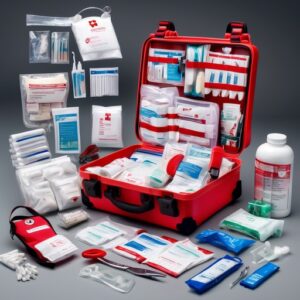
The GP IFAK Level 1 typically contains the following:
Bandages and dressings: For treating cuts, scrapes, and wounds.
Tourniquets: To stop severe bleeding in emergency situations.
Chest seals: For managing chest wounds and preventing collapsed lungs.
Burn treatments: Specialized gels and dressings for burn injuries.
Antiseptics and disinfectants: To clean wounds and prevent infections.
Hemostatic agents: Designed to rapidly stop bleeding.
CPR mask: For safe and effective resuscitation efforts.
Splints and immobilization tools: For managing fractures or sprains.
Basic medications: Pain relievers, antihistamines, and other essentials.
These items are organized to allow fast and easy access in an emergency, which is critical when every second counts. By having a GP IFAK Level 1 available, hotel staff can provide immediate care to injured guests, potentially saving lives.
Enhancing Guest Safety: A Proactive Approach to Hospitality
Guest safety is the top priority for any hotel. While hotels invest heavily in security systems, fire alarms, and other safety protocols, medical emergencies are often overlooked. From slip-and-fall accidents to allergic reactions, there are countless scenarios where having immediate access to first aid could make a significant difference.
Hotels are bustling environments where accidents are bound to happen. A child might trip and injure themselves by the pool, an elderly guest may have a heart issue in their room, or a kitchen staff member could suffer a burn while preparing food. In each of these cases, having a GP IFAK Level 1 allows staff to respond instantly.
By equipping staff with basic first aid training and providing access to a GP IFAK Level 1, hotels can drastically improve the level of care they offer in these situations. This proactive approach not only ensures the safety of guests but also demonstrates the hotel’s commitment to their well-being.
Handling Emergencies Before Help Arrives
When an emergency strikes, time is of the essence. Whether a guest is experiencing a medical condition like a heart attack or an accident such as a severe cut, the immediate response can be the difference between life and death.
While hotels typically rely on local emergency services to respond to medical issues, the reality is that it can take several minutes for an ambulance to arrive. During this critical window, hotel staff are the first line of defense. A GP IFAK Level 1 is designed to provide the necessary tools for administering first aid in these precious moments. Tourniquets can stop life-threatening bleeding, burn treatments can minimize damage, and CPR masks can provide lifesaving assistance until professionals take over.
By having a GP IFAK Level 1, hotels are better equipped to manage emergencies in a timely manner, potentially reducing the severity of injuries and increasing the chances of survival.
Liability and Legal Considerations
In the event of a medical emergency, hotels may be held accountable for their response or lack thereof. In many jurisdictions, there are laws that mandate certain businesses, including hotels, to have adequate first aid provisions on hand. Failure to meet these requirements could result in legal action, particularly if it can be demonstrated that a lack of first aid preparedness contributed to the worsening of an injury or condition.
Additionally, in today’s litigious society, hotels must take every precaution to avoid lawsuits. Should an injury occur on the premises and the hotel is found to have been ill-prepared to handle the situation, the financial and reputational damage could be devastating. By keeping a GP IFAK Level 1 on hand and ensuring staff are trained in basic first aid, hotels can protect themselves against potential liability.
Building Trust and Confidence with Guests
Guests who feel safe and secure are more likely to enjoy their stay and return in the future. A hotel’s reputation for safety can be a significant selling point, especially for families, elderly guests, and business travelers who prioritize security. By publicizing the fact that the hotel is well-prepared for medical emergencies with a GP IFAK Level 1 and trained staff, hotels can build trust and confidence among their guests.
In an age where online reviews hold significant weight, a reputation for guest safety can set a hotel apart from the competition. Conversely, a poorly handled medical emergency could lead to negative reviews and a tarnished reputation. Guests want to know that they are in good hands, and having the necessary tools to respond to emergencies is a crucial aspect of earning that trust.
Protecting Staff and Employees
While guest safety is paramount, the well-being of hotel staff is equally important. Hotels employ a wide range of workers, from housekeeping to maintenance staff, who may be at risk of workplace injuries. In fact, the hospitality industry is one of the sectors with a higher rate of occupational injuries, especially in physically demanding roles.
By having a GP IFAK Level 1 available, hotels can ensure that staff also have access to first aid in case of accidents on the job. This can reduce downtime, minimize the impact of injuries, and create a safer work environment. Additionally, showing a commitment to employee safety can improve morale and reduce turnover, as staff will feel valued and cared for.
Cost-Effective Preparedness
One common misconception is that comprehensive first aid kits are too expensive or difficult to maintain. However, the cost of a GP IFAK Level 1 is a small investment compared to the potential costs of dealing with an unprepared medical emergency. The financial repercussions of a lawsuit, the potential loss of business from a damaged reputation, and the cost of losing staff productivity due to preventable injuries far outweigh the price of a first aid kit.
Moreover, a GP IFAK Level 1 is designed to be durable and easy to restock. Hotels can work with suppliers to ensure that the kits are regularly checked and replenished, keeping them ready for any situation. This cost-effective approach ensures that hotels are always prepared without breaking the budget.
Industry Standards and Best Practices
In recent years, the hospitality industry has begun to adopt stricter safety protocols, particularly in response to the COVID-19 pandemic. Health and safety are now more important than ever, and many guests expect hotels to go above and beyond when it comes to emergency preparedness. By incorporating a GP IFAK Level 1 into their safety protocols, hotels can align themselves with industry best practices and demonstrate their commitment to guest safety.
Some hotels have already set the standard by offering first aid kits in guest rooms, equipping staff with advanced first aid training, and even partnering with local health services. The GP IFAK Level 1 fits perfectly into these initiatives, offering a level of preparedness that goes beyond basic first aid.
Conclusion
In the fast-paced world of hospitality, where guest experiences can be made or broken by the smallest details, it is essential for hotels to prioritize safety. Having a GP IFAK Level 1 on hand is a simple yet effective way to ensure that medical emergencies are managed swiftly and efficiently. From enhancing guest safety and reducing liability to building trust and protecting staff, the benefits of being prepared far outweigh the costs.
As the hospitality industry continues to evolve, the importance of safety will only grow. Hotels that invest in tools like the GP IFAK Level 1 are not just safeguarding their guests and employees—they are setting themselves apart as leaders in guest care and emergency preparedness. In an industry where reputation is everything, being ready for anything is the best way to ensure continued success.