

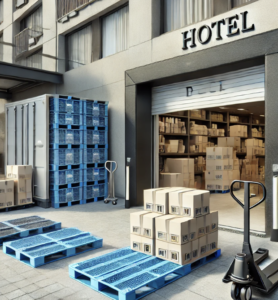
Hotels run on rhythm. Deliveries arrive, kitchens prep, banquet teams flip rooms, laundry cycles nonstop, and maintenance keeps everything moving behind the scenes. In that daily grind, pallets are one of those quiet essentials that can either create friction or remove it.
Plastic pallets are built for modern hospitality operations where cleanliness, consistency, and speed matter. They reduce several common back-of-house headaches that come with traditional wood pallets, especially in food service, storage, and high-traffic receiving areas. They also support long-term cost control by lasting longer, staying more uniform, and helping teams work more safely.
Better Hygiene in the Places That Matter Most
In hotels, pallet use is rarely glamorous, but it touches the most sensitive zones: food and beverage storage, linen handling, and areas that must stay clean even when work is moving fast. Plastic pallets have a non-porous surface and do not absorb moisture the way wood can. That matters in humid climates, near dish rooms, around loading docks, and anywhere spills happen.
Wood pallets can splinter, crack, and soak up liquids over time, creating rough spots that are harder to clean and easier to overlook. Plastic pallets are simpler to wipe down and can be washed more consistently, which supports stronger sanitation routines in storerooms and prep-adjacent spaces. The result is fewer “mystery mess” moments and more confidence in daily inspections. ORBIS Corporation+1
Fewer Injuries and Less Damage During Daily Handling
Hotels move a surprising amount of weight by pallet: cases of beverages, bulk food items, paper products, banquet supplies, amenity cartons, and shipping for group events. With wood, a single cracked board or protruding nail can turn a normal shift into an incident report. Splinters and sharp edges also increase the risk of tearing shrink wrap, snagging linens, or damaging packaged goods.
Plastic pallets are designed to be consistent and smooth, and that consistency is a safety advantage during repetitive handling. Stable stacking also matters in tight back corridors and storerooms where teams are working quickly. OSHA’s guidance emphasizes secure, stable stacking of cargo and pallets to prevent collapse. OSHA+1
Stronger Performance in Humid, Wet, and High-Turnover Environments
Hospitality storage conditions are rarely “perfect warehouse” conditions. Loading docks are exposed. Walk-ins sweat. Linen areas get steamy. Outdoor event storage gets damp. In these environments, plastic pallets hold their shape and function because they resist moisture and many common chemicals used in cleaning. ORBIS Corporation+1
That durability can reduce the constant churn of replacing broken pallets and dealing with the downstream costs that come with them: re-stacking loads, re-wrapping product, cleaning debris, and managing damaged inventory.
Cleaner, More Organized Receiving and Inventory Control
Receiving is where hotel efficiency either starts strong or starts messy. Plastic pallets help standardize that process because they are typically more uniform in size and condition than mixed wood pallets. That uniformity makes it easier to plan storage layouts, create consistent staging zones, and keep aisles clearer.
When pallets are consistent, teams also spend less time negotiating around broken boards, odd footprints, and “this one is fine if you do not touch that corner” problems. In a hotel where multiple departments share storage space, anything that improves predictability improves cooperation.
A Practical Sustainability Upgrade That Guests Never See, but Operations Feel Every Day
Sustainability in hospitality is increasingly about operational decisions that reduce waste and simplify systems without adding labor. Plastic pallets can be reused many times, and at end of life they can be recycled into other products, depending on the pallet type and local recycling options. Plastic Recycling Company+1
This can help reduce the volume of broken pallet disposal and the constant replacement cycle. For hotels pursuing environmental targets, reporting, or brand standards, pallets become an easy “behind-the-scenes” improvement that supports broader goals without changing the guest experience.
Easier Cross-Border Shipping and Brand Consistency for Multi-Property Groups
Hotel ownership groups and management companies move items between properties more often than most people realize: furniture, fixtures, operating supplies, renovation materials, seasonal items, and bulk purchasing shipments. When those shipments cross borders, wood packaging material can trigger compliance requirements tied to pest control and treatment standards.
For example, ISPM 15 rules apply to many forms of wood packaging material entering the United States, requiring specific treatment and markings for compliance. APHIS+1 Plastic pallets can reduce exposure to that specific category of compliance friction for shipments where wood packaging would otherwise be used, helping standardize logistics across regions.
Real-World Hotel Use Cases That Make Plastic Pallets Worth It
Plastic pallets deliver value in multiple hotel departments, not just receiving.
In food and beverage, they support cleaner staging for dry goods, beverages, and banquet backup inventory. In housekeeping, they help organize bulk supplies and amenity shipments without adding wood debris to storage rooms. In laundry operations, they can be used for staging linen deliveries in areas where cleanliness and moisture control matter. In events and banquets, they support fast room flips and staging without the fragility that shows up in older wood pallets.
It is not about being “fancier.” It is about removing small operational problems that steal time every day.
Where to Track the Bigger Hotel Operations Conversation 📰
For hotel leaders who like to keep an eye on what is changing in the industry, these outlets consistently cover hotel operations, development, and the business side of hospitality:
Conclusion ✅
Plastic pallets are a practical upgrade that aligns with what hotels already care about: clean operations, safer handling, fewer disruptions, and better consistency across departments. They support hygiene in sensitive areas, reduce damage and injuries, perform better in moisture-heavy environments, and help bring order to receiving and storage routines.
For hotels that want smoother back-of-house flow without adding complexity, plastic pallets are one of those simple operational decisions that quietly pays off every week. 💼