


Blood Cleanup in Hotels: How They Handle the Situation

blood spill cleanup service

When blood cleanup is required in a hotel, it is not only an unsettling situation but also one that necessitates immediate attention to safety, sanitation, and health protocols. Whether the incident arises from an injury, medical emergency, or worse, the hotel staff is tasked with managing a potentially hazardous biohazard scenario. Bloodborne pathogens pose significant risks to guests and employees alike, making blood cleanup a serious undertaking that must adhere to strict legal and health guidelines.

This article delves into how hotels handle blood cleanup, the procedures they follow to mitigate risks, and why it is crucial to call professional biohazard cleaning services. We’ll explore the reasons behind the need for prompt cleanup, the equipment used, the legal implications, and the training hotel staff typically undergo to manage such situations.


The Importance of Prompt and Professional Blood Cleanup

Blood is classified as a biohazard due to the potential presence of bloodborne pathogens such as Hepatitis B (HBV), Hepatitis C (HCV), and Human Immunodeficiency Virus (HIV). These pathogens can remain active on surfaces for extended periods and pose a health risk to anyone who comes into contact with them. Therefore, swift action is necessary to prevent the spread of these potentially life-threatening infections.

Hotels, which welcome a constant flow of guests, cannot afford to expose anyone to these risks. A contaminated room or common area could lead to not only a health hazard but also severe reputational damage, legal consequences, and potential lawsuits. As such, it is critical for hotels to handle blood cleanup with extreme caution and professionalism.


Step-by-Step Procedure for Blood Cleanup in Hotels

Isolate the Area Immediately

Upon discovering blood, hotel staff are trained to act quickly by isolating the affected area. Whether it is a guest room, hallway, or public space, the first step is to limit access to prevent guests or other employees from coming into contact with the biohazard.

Signs or barriers are usually put up to alert anyone nearby of the danger and restrict entry. At this point, only authorized and trained personnel should be allowed near the site.

Assess the Situation

Once the area is secured, the next step is to assess the amount of blood and the surfaces it has contaminated. The type of surface (carpet, tile, fabric, etc.) will determine the approach used for cleanup.

Blood on hard surfaces like tile is easier to clean compared to porous surfaces like carpeting or upholstery, which might require deep cleaning or complete removal.

Wear Appropriate Personal Protective Equipment (PPE)

Hotel staff or professional cleaners involved in the cleanup process must wear the appropriate PPE. This includes gloves, face shields, masks, protective eyewear, and disposable suits if necessary. The goal is to prevent any skin contact or exposure to bloodborne pathogens.

PPE ensures that those cleaning the area remain protected from potential infections and helps prevent the cross-contamination of other areas in the hotel.

Contain and Remove Blood-Soaked Materials

All contaminated items, such as towels, bedding, or carpets, must be carefully removed and disposed of according to local biohazard disposal regulations. These items are typically sealed in biohazard bags, which are then handed over to professionals who specialize in the safe disposal of hazardous materials.

For items that cannot be disinfected, such as porous furniture or heavy fabrics, removal and incineration may be necessary.

Clean and Disinfect the Area

The affected area must be cleaned thoroughly using an EPA-approved disinfectant that is effective against bloodborne pathogens. Hotel staff or professional cleaners will use specific cleaning agents and techniques to ensure that all blood residues are removed from both visible and microscopic levels.

For carpets and upholstery, special steam-cleaning or deep-cleaning methods may be required to sanitize the fabric. Hard surfaces like tile or laminate floors are often easier to disinfect but still require stringent cleaning procedures.

Dispose of Waste Properly

Biohazard waste disposal is a crucial aspect of blood cleanup. All blood-soaked materials, contaminated cleaning supplies, and used PPE must be disposed of in accordance with health and safety laws.

Waste is typically double-bagged, labeled as biohazardous, and sent to designated facilities where it is incinerated or treated to neutralize the hazards. Failure to follow these protocols can result in fines or legal action against the hotel.


Why Hotels Need to Hire Professional Biohazard Cleaning Services

While some hotels may have staff trained in basic blood cleanup procedures, most situations warrant the hiring of professional biohazard cleaning services. Here’s why:

Expertise and Specialized Equipment

Biohazard cleanup companies have the necessary expertise and tools to handle blood cleanup safely and efficiently. These professionals are trained to handle bloodborne pathogens and are equipped with industrial-grade cleaning supplies, advanced PPE, and specialized equipment such as HEPA filters and ozone machines to purify the air and remove airborne contaminants.

Compliance with Legal Requirements

There are strict regulations that govern biohazard cleanup, particularly when it involves blood. Professional services are well-versed in these regulations and ensure that every step of the cleanup process adheres to OSHA (Occupational Safety and Health Administration) standards, local health codes, and environmental laws.

Failure to comply with these regulations can result in legal action, fines, and damage to the hotel’s reputation.

Minimizing Liability and Risks

Hotels that attempt to handle blood cleanup internally without the proper training or equipment can face significant legal risks if something goes wrong. For instance, if an employee or guest contracts an illness due to improper cleaning, the hotel could be held liable for medical costs, damages, and potentially even lawsuits.

Professional cleaning companies carry insurance that protects both their employees and the hotel from liability, reducing the risk of legal issues.


Hotel Staff Training for Blood Cleanup

Hotels must ensure that certain staff members are trained to respond appropriately in the event of a biohazard incident, including blood cleanup. Training programs often cover the following areas:

Understanding of Bloodborne Pathogens

Staff should be trained on the risks associated with bloodborne pathogens, how they are transmitted, and the importance of using proper PPE.

Safe Cleanup Procedures

Proper techniques for isolating, cleaning, disinfecting, and disposing of blood-related waste are a fundamental part of the training. Staff need to know how to use disinfectants safely, dispose of contaminated materials, and avoid cross-contamination.

Emergency Protocols

In some cases, blood cleanup may be associated with traumatic events or accidents. Staff must be prepared to handle these situations calmly and professionally, ensuring the safety of all guests and employees involved.


Conclusion

Blood cleanup near me in hotels is not just a matter of cleaning a surface; it involves addressing biohazard risks with professionalism and care. Whether the result of an accident, injury, or medical emergency, the presence of blood requires swift action, proper isolation, thorough disinfection, and specialized knowledge to ensure the safety of everyone in the building. While hotel staff may be trained to handle smaller incidents, larger or more complex situations demand the expertise of professional biohazard cleaning companies.

Hotels that take these incidents seriously, follow legal protocols, and use professional cleaning services will not only maintain a safe environment but also protect their reputation, minimize liability, and ensure that guests feel comfortable during their stay. The stakes are simply too high to approach blood cleanup lightly.

Why a Philadelphia Hotel Needs Payroll Processing: The Benefits of Professional Payroll Services

virtual accounting firms

Running a hotel in Philadelphia, a bustling and historically rich city, requires exceptional attention to detail. Whether catering to business travelers, tourists, or event attendees, hotels in this iconic location are under constant pressure to provide top-tier customer service while managing daily operations. Among the many responsibilities that come with hotel management, one of the most crucial is payroll processing.

Payroll may not be the most glamorous part of running a hotel, but it is undoubtedly one of the most important. Ensuring employees are paid accurately and on time, adhering to labor laws, and managing employee benefits can be overwhelming without a well-organized system in place. Many Philadelphia hotels, from boutique inns to larger chains, are discovering the advantages of hiring professional payroll processing services. In this blog post, we’ll explore why payroll processing is so vital for a Philadelphia hotel and the benefits it brings in terms of efficiency, compliance, employee satisfaction, and overall hotel success.


The Complexity of Hotel Payroll

A Diverse Workforce

Philadelphia hotels typically have a diverse workforce that includes housekeeping staff, front desk clerks, kitchen staff, event coordinators, maintenance personnel, and management. Payroll processing for such a varied group of employees can be challenging, as each position may have different pay structures, schedules, and benefits.

For instance, many hotels employ both full-time and part-time workers, along with seasonal employees. Some positions may require hourly wages, while others offer salaried compensation. Overtime rules also apply differently based on roles, with tipped employees falling under specific regulations that complicate payroll further. Processing payroll manually for a diverse hotel workforce could lead to significant errors, which may result in costly fines, decreased employee satisfaction, and legal issues.

Managing Multiple Shifts and Hours

Hotels operate 24/7, meaning employees often work in shifts that vary from day to night, weekdays to weekends, and across holidays. Payroll processing needs to account for these irregular schedules, calculating accurate pay rates, overtime, and other bonuses. Tracking employee attendance, vacation time, sick leave, and adjusting for unplanned absences adds further complexity.

Without a reliable payroll processing system, managing these intricate schedules can result in payroll errors that affect not just one or two employees but the entire workforce, leading to dissatisfaction, potential legal issues, and decreased operational efficiency.

Ensuring Compliance with Philadelphia and Federal Labor Laws

Navigating Local Regulations

Philadelphia has its own set of labor laws that hotels must comply with, in addition to federal regulations. This includes the city’s minimum wage law, paid sick leave requirements, and tip reporting standards. The Pennsylvania Department of Labor & Industry also imposes strict regulations on businesses, including hotel employers, to ensure fair wages and labor practices.

Payroll processing services are well-versed in these local and federal requirements, ensuring that all hotel employees are paid according to the law. They stay up to date on changing regulations, such as shifts in Philadelphia’s minimum wage, so that hotels do not risk non-compliance.

Managing Tax Requirements

Taxes are another complex component of payroll. Hotels in Philadelphia must withhold and remit federal, state, and local income taxes, Social Security and Medicare taxes, and unemployment taxes. In addition, businesses are responsible for employer contributions to Social Security and Medicare, along with state unemployment insurance taxes. Any mistakes in tax withholding or late payments can lead to heavy penalties from the Internal Revenue Service (IRS) and the Pennsylvania Department of Revenue.

A professional payroll service ensures that all taxes are calculated and submitted correctly and on time. This not only helps Philadelphia hotels avoid fines but also alleviates the stress of navigating complicated tax regulations.

Enhancing Employee Satisfaction

Timely and Accurate Payments

One of the most important factors in employee satisfaction is getting paid accurately and on time. A well-run payroll system guarantees that Philadelphia hotel employees receive their paychecks without delays or errors. Payroll processing services provide accurate payment calculations for every employee, including overtime, bonuses, and tips.

When employees trust that their pay will be processed correctly, they are more likely to remain motivated and focused on delivering excellent service. On the other hand, payroll issues can lead to disgruntled employees, low morale, and even higher turnover rates, which is costly for hotels in terms of hiring and training new staff.

Simplified Benefits Management

Offering competitive benefits packages is essential for attracting and retaining top talent in Philadelphia’s hotel industry. Payroll processing services help streamline the management of employee benefits, such as health insurance, retirement plans, and paid time off. These services automate deductions for benefits, ensuring that they are applied accurately to employee paychecks.

By using professional payroll processing, hotel management can offer competitive compensation packages, improving employee retention and morale. When employees are satisfied with their benefits and payroll, they are more likely to provide the high level of customer service that hotels depend on.

Increasing Operational Efficiency

Automating Payroll Tasks

Processing payroll manually is time-consuming and labor-intensive. For Philadelphia hotel management, this means dedicating significant time to payroll calculations, tax filing, and employee benefits administration, all of which can divert focus from other critical tasks, such as enhancing guest experiences and streamlining hotel operations.

By outsourcing payroll processing, hotel managers can free up valuable time and resources to focus on core business operations. Automated payroll systems calculate wages, tax deductions, and other details quickly and accurately. This automation significantly reduces the likelihood of human error and enhances the overall efficiency of hotel operations.

Better Time and Attendance Tracking

Most payroll processing services come with integrated time and attendance tracking systems. These systems allow employees to clock in and out electronically, ensuring accurate recording of hours worked. For hotel employees who work irregular shifts, this system is especially beneficial as it reduces the possibility of errors in tracking hours and calculating pay.

Furthermore, automated attendance tracking simplifies the process of monitoring employee punctuality and identifying patterns of absenteeism, enabling management to address issues proactively.

Data Security and Confidentiality

Hotels handle sensitive employee information such as Social Security numbers, bank account details, and tax identification numbers. Storing and processing this data without adequate security measures could expose a hotel to data breaches and identity theft, which could lead to legal consequences and damage to the hotel’s reputation.

Payroll processing services use secure platforms to handle and store employee information, reducing the risk of data breaches. Many services are also compliant with the latest data security standards, providing peace of mind for both hotel management and employees.

Scalability and Flexibility

As the Philadelphia hotel industry grows, hotels may expand their operations or hire additional staff during busy seasons. A professional payroll processing service offers the scalability to handle these changes with ease. Whether the hotel adds a handful of employees or significantly expands its workforce, the payroll system can adjust without causing delays or errors.

This flexibility is especially beneficial for Philadelphia hotels that host large events or conventions, where staffing needs may fluctuate dramatically. Payroll processing services can quickly accommodate these changes, ensuring that all employees, whether full-time, part-time, or temporary, are paid accurately.

Cost Savings

While some hotel owners may hesitate to invest in payroll processing services due to perceived costs, the long-term financial benefits far outweigh the initial expense. By reducing errors, avoiding fines for non-compliance, and freeing up management’s time, payroll services save money in the long run.

Additionally, payroll services often provide cost-effective solutions for Philadelphia hotels, particularly when compared to the expense of hiring an in-house payroll specialist. Outsourcing payroll allows hotel management to access expert services without the overhead costs associated with additional staff.


Conclusion

Philadelphia’s hotel industry is competitive, and managing a hotel involves balancing multiple complex operations, from ensuring high customer service standards to overseeing a diverse workforce. Payroll processing Philadelphia is a critical aspect that can significantly impact a hotel’s efficiency, employee satisfaction, and legal compliance.

By investing in professional payroll processing, Philadelphia hotels can streamline their payroll management, ensure compliance with local and federal labor laws, and boost employee satisfaction. Moreover, these services offer scalability, security, and cost savings that are essential for a thriving hospitality business. As Philadelphia continues to draw visitors from around the world, hotels that prioritize payroll processing will not only improve their internal operations but also strengthen their ability to deliver exceptional guest experiences.

In summary, hiring a payroll processing service is not just a smart choice—it’s a necessary one for Philadelphia hotels seeking long-term success in the competitive hospitality industry.

Why Every Hotel Should Have a GP IFAK Level 1 on Hand: Ensuring Safety and Preparedness

tremblant first aid kit

In the hospitality industry, guest satisfaction and safety are the two cornerstones of a successful operation. Hotels and resorts around the world strive to offer the best possible experience for their patrons, from luxurious accommodations to exceptional customer service. However, one crucial aspect that often goes unnoticed is the level of preparedness for medical emergencies.

Medical incidents, ranging from minor injuries to severe emergencies, can occur at any time, and hotels must be equipped to respond quickly and effectively. This is where the GP IFAK Level 1 (General Purpose Individual First Aid Kit) comes into play. These compact but comprehensive medical kits are designed to address a variety of first aid needs, offering life-saving interventions in the critical moments before professional help arrives.

In this article, we will explore why all hotels should have a GP IFAK Level 1 on hand, highlighting the benefits of preparedness, the importance of guest safety, and the potential impact on a hotel’s reputation. By the end, it will be clear that having a well-stocked first aid kit like the GP IFAK Level 1 is not just a best practice but a necessary standard for the hospitality industry.

Understanding the GP IFAK Level 1: What It Includes and Why It’s Essential

Before diving into the reasons why hotels need a GP IFAK Level 1, it’s important to understand what this kit entails. The GP IFAK Level 1 is a portable, highly organized first aid kit designed for use in a wide range of settings, from military operations to civilian environments. Its versatility makes it an excellent choice for hotels, where unpredictable medical situations can arise.

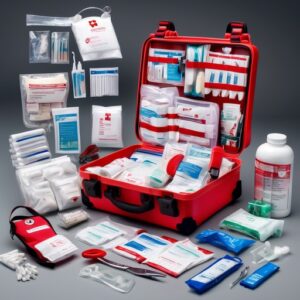
The GP IFAK Level 1 typically contains the following:

Bandages and dressings: For treating cuts, scrapes, and wounds.

Tourniquets: To stop severe bleeding in emergency situations.

Chest seals: For managing chest wounds and preventing collapsed lungs.

Burn treatments: Specialized gels and dressings for burn injuries.

Antiseptics and disinfectants: To clean wounds and prevent infections.

Hemostatic agents: Designed to rapidly stop bleeding.

CPR mask: For safe and effective resuscitation efforts.

Splints and immobilization tools: For managing fractures or sprains.

Basic medications: Pain relievers, antihistamines, and other essentials.

These items are organized to allow fast and easy access in an emergency, which is critical when every second counts. By having a GP IFAK Level 1 available, hotel staff can provide immediate care to injured guests, potentially saving lives.

Enhancing Guest Safety: A Proactive Approach to Hospitality

Guest safety is the top priority for any hotel. While hotels invest heavily in security systems, fire alarms, and other safety protocols, medical emergencies are often overlooked. From slip-and-fall accidents to allergic reactions, there are countless scenarios where having immediate access to first aid could make a significant difference.

Hotels are bustling environments where accidents are bound to happen. A child might trip and injure themselves by the pool, an elderly guest may have a heart issue in their room, or a kitchen staff member could suffer a burn while preparing food. In each of these cases, having a GP IFAK Level 1 allows staff to respond instantly.

By equipping staff with basic first aid training and providing access to a GP IFAK Level 1, hotels can drastically improve the level of care they offer in these situations. This proactive approach not only ensures the safety of guests but also demonstrates the hotel’s commitment to their well-being.

Handling Emergencies Before Help Arrives

When an emergency strikes, time is of the essence. Whether a guest is experiencing a medical condition like a heart attack or an accident such as a severe cut, the immediate response can be the difference between life and death.

While hotels typically rely on local emergency services to respond to medical issues, the reality is that it can take several minutes for an ambulance to arrive. During this critical window, hotel staff are the first line of defense. A GP IFAK Level 1 is designed to provide the necessary tools for administering first aid in these precious moments. Tourniquets can stop life-threatening bleeding, burn treatments can minimize damage, and CPR masks can provide lifesaving assistance until professionals take over.

By having a GP IFAK Level 1, hotels are better equipped to manage emergencies in a timely manner, potentially reducing the severity of injuries and increasing the chances of survival.

Liability and Legal Considerations

In the event of a medical emergency, hotels may be held accountable for their response or lack thereof. In many jurisdictions, there are laws that mandate certain businesses, including hotels, to have adequate first aid provisions on hand. Failure to meet these requirements could result in legal action, particularly if it can be demonstrated that a lack of first aid preparedness contributed to the worsening of an injury or condition.

Additionally, in today’s litigious society, hotels must take every precaution to avoid lawsuits. Should an injury occur on the premises and the hotel is found to have been ill-prepared to handle the situation, the financial and reputational damage could be devastating. By keeping a GP IFAK Level 1 on hand and ensuring staff are trained in basic first aid, hotels can protect themselves against potential liability.

Building Trust and Confidence with Guests

Guests who feel safe and secure are more likely to enjoy their stay and return in the future. A hotel’s reputation for safety can be a significant selling point, especially for families, elderly guests, and business travelers who prioritize security. By publicizing the fact that the hotel is well-prepared for medical emergencies with a GP IFAK Level 1 and trained staff, hotels can build trust and confidence among their guests.

In an age where online reviews hold significant weight, a reputation for guest safety can set a hotel apart from the competition. Conversely, a poorly handled medical emergency could lead to negative reviews and a tarnished reputation. Guests want to know that they are in good hands, and having the necessary tools to respond to emergencies is a crucial aspect of earning that trust.

Protecting Staff and Employees

While guest safety is paramount, the well-being of hotel staff is equally important. Hotels employ a wide range of workers, from housekeeping to maintenance staff, who may be at risk of workplace injuries. In fact, the hospitality industry is one of the sectors with a higher rate of occupational injuries, especially in physically demanding roles.

By having a GP IFAK Level 1 available, hotels can ensure that staff also have access to first aid in case of accidents on the job. This can reduce downtime, minimize the impact of injuries, and create a safer work environment. Additionally, showing a commitment to employee safety can improve morale and reduce turnover, as staff will feel valued and cared for.

Cost-Effective Preparedness

One common misconception is that comprehensive first aid kits are too expensive or difficult to maintain. However, the cost of a GP IFAK Level 1 is a small investment compared to the potential costs of dealing with an unprepared medical emergency. The financial repercussions of a lawsuit, the potential loss of business from a damaged reputation, and the cost of losing staff productivity due to preventable injuries far outweigh the price of a first aid kit.

Moreover, a GP IFAK Level 1 is designed to be durable and easy to restock. Hotels can work with suppliers to ensure that the kits are regularly checked and replenished, keeping them ready for any situation. This cost-effective approach ensures that hotels are always prepared without breaking the budget.

Industry Standards and Best Practices

In recent years, the hospitality industry has begun to adopt stricter safety protocols, particularly in response to the COVID-19 pandemic. Health and safety are now more important than ever, and many guests expect hotels to go above and beyond when it comes to emergency preparedness. By incorporating a GP IFAK Level 1 into their safety protocols, hotels can align themselves with industry best practices and demonstrate their commitment to guest safety.

Some hotels have already set the standard by offering first aid kits in guest rooms, equipping staff with advanced first aid training, and even partnering with local health services. The GP IFAK Level 1 fits perfectly into these initiatives, offering a level of preparedness that goes beyond basic first aid.

Conclusion

In the fast-paced world of hospitality, where guest experiences can be made or broken by the smallest details, it is essential for hotels to prioritize safety. Having a GP IFAK Level 1 on hand is a simple yet effective way to ensure that medical emergencies are managed swiftly and efficiently. From enhancing guest safety and reducing liability to building trust and protecting staff, the benefits of being prepared far outweigh the costs.

As the hospitality industry continues to evolve, the importance of safety will only grow. Hotels that invest in tools like the GP IFAK Level 1 are not just safeguarding their guests and employees—they are setting themselves apart as leaders in guest care and emergency preparedness. In an industry where reputation is everything, being ready for anything is the best way to ensure continued success.

Why Hotels Need Strategic Business Coaching: Unlocking Potential for Growth and Success

next level consulting services

In the highly competitive hospitality industry, hotels face increasing pressure to stay relevant, innovative, and profitable. Whether you’re running a boutique hotel, a chain of luxury resorts, or an independent inn, maintaining consistent growth while managing daily operations can be overwhelming. This is where strategic business coaching can become a game-changer. Strategic coaching helps hotel owners, managers, and staff align their goals, overcome challenges, and seize opportunities with tailored guidance and expertise.

In this blog post, we will explore why hotels need strategic business coaching, how it helps them thrive, and the long-term benefits it provides. With a focused and structured approach, hotels can sharpen their competitive edge and achieve sustainable success.

Adapting to Industry Changes and Trends

The hospitality industry is dynamic and ever-evolving, shaped by shifts in customer preferences, technological advancements, and global trends. Staying up-to-date and adapting quickly is crucial for hotels to remain competitive. Strategic business coaching helps hotels identify industry trends, allowing them to anticipate changes and adjust their operations accordingly.

For example, sustainability and eco-consciousness have become significant concerns for modern travelers. Hotels must embrace environmentally friendly practices and develop strategies to implement energy-efficient technologies, reduce waste, and support local communities. A strategic coach can help hotels assess how to incorporate these trends into their business model, ensuring they meet evolving guest expectations.

Additionally, the rise of digital booking platforms, social media, and online reviews has transformed the way hotels interact with guests. Strategic business coaching equips hoteliers with tools to develop innovative marketing strategies, optimize online presence, and harness the power of digital channels to enhance guest experience and drive bookings.

Improving Operational Efficiency

One of the primary goals of strategic business coaching is to help hotels streamline operations and increase efficiency. Running a hotel involves juggling multiple tasks—from housekeeping and guest services to finance, human resources, and marketing. Inefficiencies in any of these areas can lead to higher costs, lower profitability, and decreased guest satisfaction.

Strategic business coaching involves analyzing the hotel’s internal processes, identifying bottlenecks, and creating solutions to improve workflow. Coaches offer expert advice on operational management, helping hotels automate processes, improve staff communication, and optimize resource allocation.

For example, a coach might help a hotel implement a more effective booking system, reducing overbooking risks and ensuring smooth communication between departments. Or, they may recommend strategies for better inventory management to minimize waste and control costs in food and beverage operations. By improving efficiency, hotels can save time and money, leading to higher profits and better service quality.

Building a Strong Organizational Culture

The hospitality industry is fundamentally people-driven, and the success of a hotel is directly linked to the performance of its employees. Building a strong organizational culture where staff feels motivated, supported, and aligned with the hotel’s goals is essential. Strategic business coaching helps hotels create a positive work environment and enhance employee engagement.

Coaches work with hotel leadership teams to develop core values, establish a clear mission, and foster open communication. By creating a shared sense of purpose, hotels can boost employee morale, reduce turnover, and improve guest interactions. When employees feel invested in the hotel’s success, they are more likely to provide exceptional service, contributing to better guest experiences and higher ratings.

In addition, coaching focuses on leadership development. Effective leaders set the tone for the entire organization, and in the hotel industry, strong leadership is critical for success. Coaches can work with managers and executives to sharpen their leadership skills, build confidence, and make better decisions. This, in turn, cascades through the organization, creating a culture of excellence.

Enhancing Guest Experience

In the hotel business, guest satisfaction is everything. One negative review can affect a hotel’s reputation, while positive experiences drive repeat business and attract new guests. Strategic business coaching helps hotels focus on improving guest experiences, ensuring that every touchpoint in the guest journey is optimized.

A coach can help hotels develop customer service strategies that go beyond the basics, turning good service into exceptional service. This might involve training staff to be more attentive to guests’ needs, personalizing guest interactions, and proactively addressing concerns before they escalate into complaints.

Coaching also helps hotels identify areas where technology can enhance the guest experience. From implementing seamless online booking systems to adopting mobile check-in and keyless entry, strategic business coaching can help hotels stay at the forefront of technological advancements that improve convenience and comfort for guests.

Additionally, coaches work with hotels to gather and analyze guest feedback, identifying trends and addressing common pain points. By consistently improving based on guest input, hotels can strengthen their reputation and foster long-term loyalty.

Maximizing Revenue and Profitability

While providing outstanding service is vital, hotels are ultimately businesses that need to generate revenue and ensure profitability. Strategic business coaching offers insights into maximizing revenue streams and improving financial performance.

One area where coaching can be particularly effective is in revenue management. Hotels must strategically price their rooms and services based on demand, competition, and market trends. A coach can help hotels develop a dynamic pricing strategy that optimizes occupancy rates while ensuring profitability.

Furthermore, coaches assist hotels in exploring additional revenue opportunities beyond room bookings. This may include diversifying offerings such as event hosting, partnerships with local businesses, or creating exclusive packages for specific market segments. Strategic coaches also help hotels reduce unnecessary expenses, manage budgets more effectively, and increase operational efficiency to drive profitability.

Supporting Long-Term Growth and Expansion

Many hotel owners and managers aspire to grow their business, whether that means opening new locations, expanding services, or upgrading facilities. However, scaling a hotel requires careful planning and strategy. Strategic business coaching helps hotels develop clear, actionable growth plans that align with their long-term goals.

Coaches work with hotel leadership to assess the feasibility of expansion, identify potential markets, and outline a step-by-step approach for scaling the business. They offer insights into market research, financial planning, and risk management, helping hotels avoid costly mistakes and ensuring sustainable growth.

Moreover, strategic coaches provide valuable guidance on maintaining consistency across multiple properties, ensuring that brand standards are upheld, and quality remains high during expansion efforts.

Navigating Crisis and Change Management

The hotel industry is no stranger to crises—whether it’s a natural disaster, economic downturn, or a global pandemic like COVID-19. Navigating these challenges requires resilience, adaptability, and strong leadership. Strategic business coaching provides hotels with the tools to manage crises effectively and emerge stronger.

Coaches work with hotel teams to create contingency plans, ensuring they are prepared to respond swiftly and efficiently in times of crisis. They also help hotels pivot their strategies when unexpected changes occur, whether it’s adjusting pricing, reducing operational costs, or finding new revenue streams.

Beyond crisis management, strategic coaching fosters a culture of continuous improvement and innovation, allowing hotels to remain agile in the face of change. By adopting a proactive approach, hotels can turn challenges into opportunities and stay ahead of the competition.

Conclusion

In today’s rapidly evolving hospitality industry, hotels must be equipped with the right strategies, tools, and expertise to stay competitive and thrive. Strategic business coaching offers a tailored approach to achieving success, helping hotels navigate industry changes, improve operational efficiency, enhance guest experiences, and maximize profitability. From building a strong organizational culture to supporting long-term growth and managing crises, coaching equips hotel owners and managers with the skills and insights they need to lead their businesses effectively.

By investing in strategic business coaching, hotels can unlock their full potential and create a sustainable path to growth and success. Whether you’re a small boutique hotel or a large resort chain, strategic coaching provides the guidance and expertise necessary to excel in a competitive marketplace. As the hospitality industry continues to evolve, the value of strategic business coaching becomes more apparent—transforming challenges into opportunities and driving lasting success.

Why Hotels Invest in an Under Cabinet Spice Rack: A Savvy Solution for Efficiency and Excellence

cabinet racks for spices

In the fast-paced world of hospitality, where first impressions and seamless service define the guest experience, hotels constantly look for ways to improve their operations. Kitchens, in particular, play a pivotal role in ensuring guests receive excellent food and beverage services. From room service to gourmet dining, hotels rely on their kitchens to deliver a wide range of dishes efficiently, without sacrificing quality.

One of the most overlooked yet impactful tools in this quest for kitchen efficiency is the under cabinet spice rack. While it may seem like a small addition, the benefits this simple storage solution provides are significant. In an industry where organization, speed, and aesthetics matter, the under cabinet spice rack has become an essential feature for hotel kitchens. Let’s explore why hotels invest in this smart kitchen accessory and how it positively impacts their operations.

The Need for Efficiency in Hotel Kitchens

Hotel kitchens are far from ordinary. Unlike home kitchens, they operate on a much larger scale, with teams of chefs and staff preparing a diverse array of meals simultaneously. The kitchen must remain organized, functional, and flexible to accommodate everything from a last-minute breakfast order to a fully booked banquet. With this level of demand, any tool or system that streamlines operations can be a game-changer.

This is where the under cabinet spice rack comes into play. By keeping spices and seasonings neatly organized and easily accessible, chefs can save time, avoid clutter, and enhance the overall workflow in the kitchen. When every second counts during peak service times, even the smallest efficiency improvements can make a world of difference.

The Role of Organization in Fast-Paced Environments

Consider this scenario: a hotel restaurant is serving dinner, and the kitchen is in full swing. Orders are coming in quickly, and chefs are moving swiftly to prepare meals. In the chaos, a chef struggles to find a specific spice because it’s hidden in a cluttered drawer. This delay, though brief, can slow down the entire process.

Now imagine the same scenario with an under cabinet spice rack. All the spices are neatly arranged and easily visible, allowing the chef to grab what they need in seconds. No more searching through drawers or knocking over containers. The spice rack keeps everything in its place, which helps the kitchen run like a well-oiled machine.

The beauty of the under cabinet spice rack lies in its simplicity. It allows for easy access to essential ingredients while freeing up valuable counter space, helping hotel kitchens stay organized and efficient during busy service times.

Maximizing Space in Small or Busy Kitchens

One of the challenges hotels face, especially those located in urban or historic buildings, is limited kitchen space. Even in large hotels, the kitchen may be divided into sections for different purposes, such as pastry, hot food, and cold food preparation areas. With limited space, every square inch must be used efficiently.

An under cabinet spice rack maximizes the use of vertical space, keeping spices tucked away yet accessible. By storing spices under the cabinets, hotels can free up counter space for food preparation, plating, and other essential tasks. This is especially important in smaller kitchens where space is at a premium, but even large kitchens benefit from a more organized, streamlined environment.

The Impact of Space Optimization on Staff Morale

Space optimization isn’t just about making room for more ingredients or equipment—it also impacts the morale of kitchen staff. Working in a cramped, disorganized space can lead to frustration and stress. On the other hand, a well-organized kitchen with ample space for movement and preparation fosters a positive work environment.

When everything is in its place, including spices and seasonings, staff can focus on the task at hand without being distracted by clutter or lack of workspace. Happy, motivated staff are more likely to perform their best, which ultimately leads to better service and satisfied hotel guests.

Enhancing the Guest Experience

At first glance, a hotel guest might never know that an under cabinet spice rack is contributing to their experience. After all, most guests are focused on the quality of their food and the timeliness of their room service order. However, the efficiency and organization that a spice rack provides directly influence the guest experience.

Faster Service, Better Quality

When hotel kitchens are organized, meals can be prepared faster and more efficiently. In turn, guests receive their orders more quickly, whether it’s a room service breakfast or a fine dining experience in the hotel restaurant. The faster the kitchen can produce high-quality dishes, the more satisfied guests will be.

In addition to speed, the under cabinet spice rack ensures that chefs have all the seasonings they need right at their fingertips. This means they can pay more attention to seasoning dishes perfectly, enhancing the flavor and overall quality of the food. Every detail matters in hospitality, and an organized kitchen leads to better attention to detail in meal preparation.

Room Service Excellence

Room service is a hallmark of luxury hotels, and guests expect nothing less than perfection. However, room service can be a logistical challenge for kitchens, especially when orders come in at odd hours or during peak times. An under cabinet spice rack allows chefs to quickly and efficiently prepare room service meals, even during high-demand periods. The ability to access spices quickly and without hassle helps reduce wait times for guests and ensures that meals are served fresh and hot.

Long-Term Savings and Durability

Hotels are always looking for ways to maximize their return on investment (ROI), and kitchen equipment is no exception. While an under cabinet spice rack may seem like a small investment, it offers long-term savings in several ways.

Reduced Waste

When spices are organized and easily accessible, they are less likely to go to waste. In a cluttered kitchen, spices can get lost, go unused, or expire without anyone noticing. A spice rack helps staff keep track of their inventory, reducing the likelihood of waste and ensuring that the hotel’s ingredients are used efficiently.

Durability and Maintenance

High-quality under cabinet spice racks are built to last, even in busy hotel kitchens. They are designed to withstand constant use and are made from durable materials that can handle the wear and tear of a fast-paced environment. Investing in a sturdy spice rack means hotels won’t have to replace it frequently, resulting in long-term cost savings.

Additionally, these racks are easy to clean and maintain. In a hotel kitchen, where hygiene is a top priority, having equipment that is simple to clean is a major advantage. A clean and well-maintained kitchen not only ensures food safety but also leaves a positive impression on health inspectors and guests alike.

Aesthetic Appeal and Design Harmony

In addition to functionality, many hotels value the aesthetic appeal of their kitchens, particularly in open-kitchen concepts where guests can see the food being prepared. An under cabinet spice rack contributes to a sleek and organized kitchen design, enhancing the overall visual appeal.

Hotels that invest in high-end kitchen designs often incorporate modern, minimalist elements that emphasize cleanliness and order. An under cabinet spice rack fits seamlessly into this design philosophy, keeping the kitchen looking tidy and professional.

The Trend of Open Kitchens

Open kitchens, where guests can watch chefs in action, have become increasingly popular in upscale hotels. These kitchens are not only a form of entertainment for guests but also a way for hotels to showcase their commitment to transparency and high-quality food preparation.

In an open kitchen, everything from the cooking process to the kitchen layout is on display. An under cabinet spice rack helps maintain the visual appeal of the kitchen by keeping spices organized and out of sight. This contributes to a clean, professional look that impresses guests and adds to the overall dining experience.

Conclusion

In the hospitality industry, where every detail counts, hotels are always on the lookout for tools and systems that can enhance their operations and improve the guest experience. The under cabinet spice rack, though simple in design, offers a range of benefits that make it a valuable investment for hotel kitchens.

From maximizing space and improving kitchen efficiency to enhancing the guest experience and providing long-term savings, the under cabinet spice rack proves that small changes can have a big impact. By investing in this practical and stylish kitchen accessory, hotels can streamline their operations, foster a positive work environment, and ensure that their guests receive the highest quality service and meals.

In the world of hospitality, where organization, speed, and attention to detail are key, the under cabinet spice rack stands out as a small but mighty solution that delivers lasting value.

Why Hotels Need Chemical Companies: Enhancing Cleanliness, Safety, and Guest Satisfaction

chemical company

In the highly competitive hospitality industry, maintaining a clean, safe, and comfortable environment for guests is paramount. Whether it’s ensuring spotless rooms, hygienic kitchens, or safe water systems, hotels have high standards of sanitation and maintenance to meet. These requirements are not just about aesthetics but also about protecting the health and safety of both guests and staff. To achieve this, hotels rely heavily on chemical companies to provide specialized products and services that help them maintain these critical standards.

Chemical companies offer a broad range of solutions tailored to the needs of the hospitality industry, from disinfectants and sanitizers to water treatment chemicals and pest control solutions. Hotels must ensure compliance with local and international health regulations while also maintaining brand reputation. In this blog, we will explore the various reasons why hotels need chemical companies and how their services contribute to the overall success of the hotel industry.


Ensuring Superior Cleanliness and Hygiene

The most immediate and obvious reason hotels require chemical companies is to ensure a consistently high level of cleanliness and hygiene. Guest expectations for cleanliness are high, and even minor lapses can lead to negative reviews and damage a hotel’s reputation. From guest rooms to public areas and dining facilities, every space must be spotless.

Cleaning Solutions for Rooms and Common Areas

Hotels must clean and sanitize various surfaces daily, including floors, bathrooms, windows, and furniture. Standard household cleaning products are often insufficient for the scale and type of cleaning required in a hotel setting. Chemical companies provide industrial-grade cleaning agents designed to efficiently and effectively handle large areas while eliminating bacteria, viruses, and other pathogens.

Specialty chemicals such as disinfectants, deodorizers, and antimicrobial surface cleaners ensure that not only are rooms visually clean, but they are also free from harmful microbes that can spread illness. During global health crises such as the COVID-19 pandemic, these cleaning solutions become even more critical in preventing the spread of infectious diseases within hotels.

Sanitation in Kitchen and Dining Areas

Hotels with on-site dining options must adhere to strict health and safety regulations regarding food preparation and kitchen hygiene. Chemical companies supply specialized kitchen cleaners, degreasers, and sanitizers that are safe for use around food and help prevent contamination. Without the use of these chemicals, hotels risk foodborne illnesses, which can have devastating legal and reputational consequences.

Dishwashing chemicals, including those for automatic dishwashers and hand-washing stations, ensure that all utensils, glassware, and dishes meet sanitation standards, reducing the risk of cross-contamination.

Water Treatment and Maintenance

Water is one of the most vital utilities in any hotel, used for drinking, cooking, bathing, swimming, and general cleaning. Chemical companies play a critical role in treating and maintaining water quality, ensuring that it is safe and clean for all uses.

Pool and Spa Maintenance

Many hotels offer swimming pools, hot tubs, and spas as part of their guest amenities. These water features require regular chemical treatment to ensure they are safe and hygienic. Chemical companies provide the chlorine, bromine, pH adjusters, and algaecides necessary to maintain the correct chemical balance in pools and hot tubs. Without proper chemical treatment, these amenities can quickly become breeding grounds for harmful bacteria such as Legionella, which causes Legionnaires’ disease, a severe form of pneumonia.

Drinking Water and Plumbing

Ensuring safe drinking water is another critical function for hotels. Chemical companies provide water treatment solutions that remove harmful substances such as bacteria, lead, and other contaminants from hotel water supplies. Moreover, many hotels rely on chemical descalers and corrosion inhibitors to protect plumbing systems from mineral build-up and rust, which can damage infrastructure and lead to costly repairs. The proper chemical treatment of water systems also prolongs the life of water heaters, boilers, and other essential equipment.

Pest Control

In addition to cleanliness and water treatment, chemical companies provide vital solutions for pest control in hotels. Hotels are particularly vulnerable to pests such as bedbugs, cockroaches, rodents, and ants, which can cause significant distress for guests and lead to bad reviews, lawsuits, and lost business.

Bedbug Prevention and Eradication

Bedbugs are a major concern for hotels because they can spread quickly, hide in mattresses, furniture, and even walls, and are notoriously difficult to eliminate. Chemical companies offer effective bedbug treatments that include pesticides, heat treatments, and residual sprays that can kill bedbugs and prevent their return.

General Pest Control

Chemical companies also provide pesticides and pest management solutions for common hotel pests such as cockroaches, ants, and rodents. These pests not only create a bad impression but can also contaminate food and surfaces, leading to health risks for both guests and staff. Hotels rely on chemical companies to supply integrated pest management (IPM) strategies, which include regular inspections, monitoring, and safe chemical applications to prevent infestations.

Compliance with Health and Safety Regulations

Hotels must adhere to stringent health and safety regulations set by local governments, industry organizations, and health authorities. These regulations cover everything from cleaning practices to pest control, food safety, and air and water quality. Failure to comply with these regulations can result in fines, closure, and damage to a hotel’s reputation.

Chemical Safety and Handling

Chemical companies provide hotels with safe, regulated products that comply with health and safety standards. They also offer guidance on proper storage, handling, and application of these chemicals, ensuring that hotel staff are adequately trained to use them without endangering themselves or guests. Many chemical companies offer Material Safety Data Sheets (MSDS) and training programs that help hotels stay compliant with Occupational Safety and Health Administration (OSHA) guidelines and other regulatory bodies.

Eco-Friendly and Sustainable Practices

Many modern hotels are also pursuing eco-friendly and sustainable practices to reduce their environmental impact. Chemical companies have responded to this trend by developing green cleaning products and environmentally friendly pest control solutions. These products reduce the use of harmful chemicals, protect local ecosystems, and help hotels achieve certifications like LEED (Leadership in Energy and Environmental Design) or Green Key. By partnering with chemical companies that offer sustainable solutions, hotels can enhance their environmental credentials and attract eco-conscious travelers.

Supporting Guest Satisfaction and Brand Reputation

Finally, chemical companies indirectly contribute to guest satisfaction and the overall brand reputation of a hotel. Cleanliness, safety, and comfort are among the top factors that influence a guest’s experience. If a hotel fails to maintain high standards in these areas, it can lead to negative reviews, poor ratings on travel websites, and even social media backlash.

 Enhanced Guest Experience

Guests expect clean rooms, spotless bathrooms, safe pools, and pest-free environments. Chemical companies provide the tools hotels need to meet these expectations consistently. A hotel’s ability to deliver a clean, safe, and comfortable environment directly impacts its ability to retain loyal customers, secure repeat business, and grow its brand.

 Crisis Management and Recovery

In the event of a crisis, such as a foodborne illness outbreak or pest infestation, hotels can turn to chemical companies for rapid response solutions. Whether it’s providing deep cleaning services after an outbreak or deploying targeted pest control measures to manage an infestation, chemical companies help hotels recover quickly from potentially devastating situations and restore guest confidence.


Conclusion

The role of chemical companies near me in the hotel industry is multifaceted and indispensable. From ensuring top-tier cleanliness and hygiene to maintaining water quality, controlling pests, and adhering to strict health and safety regulations, chemical companies provide essential services that help hotels operate efficiently and safely. Their contributions go beyond basic cleaning, as they help protect the health of guests and staff, extend the life of hotel infrastructure, and enhance the overall guest experience.

As the hospitality industry continues to evolve, particularly in light of heightened health concerns, the partnership between hotels and chemical companies will only become more critical. By investing in high-quality chemical solutions and services, hotels can safeguard their reputation, comply with regulations, and most importantly, provide a safe, clean, and enjoyable environment for every guest who walks through their doors.

Why New York City Hotels Are Investing in Home Automation: Enhancing Guest Experience and Operational Efficiency

home automation companies


New York City, often dubbed “The City That Never Sleeps,” is home to a dynamic hospitality industry. Hotels here serve millions of visitors annually, ranging from business travelers to tourists eager to experience the city’s iconic landmarks, culture, and nightlife. In such a competitive landscape, hotels are constantly looking for ways to differentiate themselves and offer superior service to guests. One of the most significant trends reshaping the industry is the adoption of home automation technology.

Once reserved for luxury homes and smart residences, home automation has rapidly infiltrated the hospitality sector, especially in large cities like New York. Home automation in hotels is no longer just a luxury but a necessity. From personalized room settings to operational efficiency, the reasons for this technological investment are manifold. This blog post explores why New York City hotels are increasingly adopting home automation and how it benefits both guests and hotel operators.

The Evolving Demands of Modern Travelers

Personalization in Guest Experience

Today’s travelers expect more than just a place to sleep. They want an experience tailored to their preferences, and home automation delivers just that. New York City hotels, known for their high level of service, are increasingly using smart technology to enhance guest satisfaction.

Smart thermostats allow guests to control room temperature to their comfort.

Smart lighting systems adjust according to guest preferences or room occupancy.

Voice-activated assistants like Amazon Alexa or Google Home provide a personalized concierge service.

Smart TV systems give access to streaming services and personalized entertainment options.

All of these technologies allow guests to create a home-away-from-home atmosphere. By integrating automation, hotels enable guests to control every aspect of their environment with ease, from adjusting the curtains to playing music.

Seamless and Contactless Experiences

The pandemic has dramatically shifted guest expectations, with hygiene and safety taking center stage. In the post-pandemic era, contactless experiences are more in demand than ever. Home automation systems in hotels reduce the need for physical touchpoints, enhancing the guest experience while prioritizing safety.

Keyless entry systems allow guests to unlock their rooms via smartphones, reducing the need for physical keys.

Automated check-ins and check-outs enable guests to manage their stay without interacting with the front desk.

Voice-controlled room service lets guests order food, request additional towels, or adjust the lighting without ever touching a phone or interacting with staff.

By investing in home automation, New York City hotels provide a seamless, high-tech experience that increases both guest satisfaction and safety.

Catering to Tech-Savvy Guests

New York is a global hub for business, finance, and entertainment, attracting a high number of tech-savvy travelers. These individuals expect modern conveniences, including smart home technology, during their stay. Hotels that embrace home automation are meeting this demand head-on.

In addition to improving guest experience, automation also addresses sustainability concerns, a growing priority for modern travelers. Smart systems can monitor energy usage and adjust lighting, heating, and cooling based on occupancy, reducing a hotel’s carbon footprint and energy costs.

Operational Benefits for Hotels

Cost Efficiency Through Energy Management

New York City hotels are notorious for their high operating costs, particularly in energy consumption. With over 100,000 hotel rooms in the city, energy efficiency has become a critical focus for hotel operators.

Automated energy management systems allow hotels to monitor and control energy use more effectively:

Smart thermostats automatically adjust the room temperature based on occupancy.

Smart lighting systems turn off lights when a room is unoccupied.

Automated curtains can be programmed to close at certain times to reduce cooling costs.

By integrating these technologies, hotels can drastically reduce their energy consumption, leading to significant cost savings.

Streamlining Hotel Operations

Hotels in New York often operate under tight margins due to high labor and real estate costs. Home automation offers operational efficiencies that allow hotel staff to focus on higher-value tasks while technology handles routine responsibilities.

Automated housekeeping systems alert staff when a guest checks out or when a room requires cleaning.

Smart minibars notify the hotel when items need to be restocked, eliminating the need for manual checks.

Automated maintenance alerts signal when equipment such as HVAC systems or lighting requires attention, preventing breakdowns and costly repairs.

These operational improvements not only reduce costs but also ensure that guests experience a smooth, seamless stay.

Enhancing Security and Monitoring

Security is a top priority for hotels, especially in bustling cities like New York. Home automation improves security by integrating advanced monitoring and alert systems:

Smart locks and keyless entry systems reduce the risk of lost or stolen keys.

Security cameras with AI capabilities can alert hotel staff to unusual behavior or unauthorized access.

Automated alarm systems can detect smoke, fire, or other hazards, alerting both guests and staff in real time.

By investing in home automation, hotels not only improve the safety of their guests but also reduce liability risks.

Sustainability and Green Certifications

Meeting Sustainability Goals

With the rising importance of sustainability in hospitality, many New York City hotels are turning to home automation to meet their green certification goals. Technologies such as smart HVAC systems, energy-efficient lighting, and automated water management systems help hotels reduce their environmental footprint.

For hotels seeking LEED certification or other green standards, home automation is a key investment. By managing resources more effectively, hotels can reduce waste, minimize energy consumption, and contribute to a more sustainable future—all while appealing to environmentally conscious travelers.

Public Perception and Marketing Advantages

Investing in sustainability and automation also brings a marketing advantage. More travelers are selecting hotels based on their green initiatives, and home automation plays a key role in positioning a hotel as eco-friendly. Hotels that use automation for energy efficiency and waste reduction can leverage these investments in marketing campaigns, appealing to both leisure and business travelers who prioritize environmental responsibility.

Future-Proofing Hospitality in New York City

Keeping Up with Competitors

The hospitality industry in New York City is fiercely competitive. With luxury hotels and boutique accommodations offering cutting-edge technology, any hotel that lags behind risks losing market share. By investing in home automation, hotels can stay ahead of the curve, offering the latest amenities that tech-savvy travelers demand.

Preparing for the Future of Hospitality

As artificial intelligence (AI), the Internet of Things (IoT), and other advanced technologies continue to evolve, hotels must position themselves to integrate these innovations. New York City hotels that have already adopted home automation are better prepared to integrate future technologies, such as AI-powered room service, autonomous cleaning robots, or fully personalized guest experiences driven by data.

Hotels that embrace home automation today are not just enhancing the guest experience; they are future-proofing their business for years to come.

Conclusion

The hospitality industry in New York City is in a state of constant evolution, with new technologies shaping the way hotels operate and interact with guests. Smart home automation New York City is at the forefront of this transformation, offering both guests and operators unparalleled advantages. From enhanced personalization and seamless, contactless experiences to significant energy savings and operational efficiencies, the benefits of home automation are clear.

As more travelers demand high-tech, eco-friendly accommodations, and as hotels seek to streamline operations in a competitive market, investing in home automation has become a crucial strategy for New York City hotels. These innovations not only improve the guest experience but also position hotels for long-term success, sustainability, and growth.

In the city that never sleeps, it is fitting that the hotels are becoming smarter, more efficient, and more attuned to the evolving needs of their guests. Home automation is no longer an option—it’s a necessity for staying ahead in the fast-paced, ever-changing world of New York City hospitality.

What Do Hotels Do When They Need Heating Repair Done? A Comprehensive Guide

heating and air conditioning repair near me

In the hospitality industry, guest comfort is paramount. Among the most crucial elements of this comfort is a hotel’s heating system, especially during the colder months. Guests expect a warm and cozy atmosphere, whether they’re staying at a luxury resort or a budget inn. When the heating system breaks down, it can lead to discomfort, negative reviews, and even loss of business. Hotels, therefore, need a solid plan of action when heating repairs are necessary.

This blog post will explore what steps hotels take when they need heating repairs, how they prevent disruptions to guest experiences, and why professional HVAC services are essential for the hospitality industry. By the end, you’ll have a clear understanding of the process hotels go through to ensure their heating systems remain functional, efficient, and guest-friendly.


The Importance of Heating Systems in Hotels

Heating systems are an integral part of hotel infrastructure. They ensure that rooms, common areas, and sometimes even pools and spas maintain a comfortable temperature. A hotel’s heating system, especially in colder climates, is often a central part of the guest experience, particularly during the fall and winter months. Malfunctions or failures can lead to significant inconvenience for both guests and staff.

When a heating system fails in a hotel, the repercussions are immediate. Guests may face discomfort, room rates may need to be adjusted, and overall guest satisfaction is at risk. In extreme cases, a lack of heating could even pose health risks to guests and employees.

Because of these risks, hotels prioritize heating system maintenance and are quick to address any issues that arise.

Preventative Maintenance: The First Line of Defense

Before heating problems ever arise, hotels invest heavily in preventative maintenance. This proactive approach helps them avoid major breakdowns and costly repairs. A typical hotel heating system is complex, involving boilers, furnaces, heat pumps, and a web of ducts, pipes, and controls. Ensuring that these components are regularly serviced can significantly reduce the likelihood of a breakdown.

Hotels usually schedule routine checkups for their HVAC systems through certified technicians. These inspections include:

Checking and replacing air filters: Clogged filters can reduce efficiency and cause parts of the system to overheat.

Inspecting heat exchangers: Cracks in heat exchangers can be dangerous, potentially leading to carbon monoxide leaks.

Thermostat calibration: Ensuring that the thermostat is accurately controlling the temperature prevents overheating or underheating.

Ductwork inspection: Leaks or blockages in ductwork can significantly reduce heating efficiency.

Boiler and furnace inspections: Boilers need regular descaling, while furnaces require periodic cleaning to remove soot and prevent blockages.

Preventative maintenance not only helps hotels avoid emergency repairs but also extends the lifespan of the heating system, ultimately saving money and reducing operational disruptions.

Identifying Heating Issues Early: Staff Training and Monitoring Systems

In a large hotel, it’s not uncommon for the heating system to serve dozens or even hundreds of rooms. Detecting a problem early can make the difference between a minor repair and a full-scale breakdown. Many hotels rely on automated HVAC systems that include monitoring features. These systems send alerts when something goes wrong, allowing staff to quickly respond before the problem escalates.

Moreover, staff training plays a crucial role. Housekeeping, maintenance, and front desk personnel are often trained to identify early signs of heating problems, such as:

  • Inconsistent room temperatures.
  • Strange noises from HVAC units or vents.
  • Unusual odors, such as burning or musty smells.
  • Increased humidity or cold spots in the building.

Once staff notice an issue, they notify the maintenance team, which can then assess the problem and determine if external help is needed.

Partnering with HVAC Professionals for Repairs

When heating repairs are required, hotels generally turn to professional HVAC contractors. These experts have the tools, experience, and certifications necessary to handle complex systems. Hotels typically have ongoing relationships with local HVAC service providers who understand the intricacies of the building’s system and can quickly respond to emergencies.

During heating repairs, professionals may perform a variety of tasks, such as:

Diagnosing faulty components: Technicians will inspect the system to determine whether the problem lies with the thermostat, boiler, heat pump, or another component.

Repairing or replacing parts: Common repairs include fixing broken thermostats, replacing malfunctioning valves, or installing new heat exchangers.

System balancing: If the hotel experiences uneven heating, the technician may need to adjust dampers, fans, or vents to ensure even temperature distribution throughout the property.

Because hotels operate 24/7, HVAC professionals often offer emergency services, ensuring that repairs are completed as quickly as possible with minimal disruption to guests.

Minimizing Guest Disruption During Repairs

Heating repairs can be disruptive, but hotels go to great lengths to ensure that guests remain comfortable throughout the process. Some strategies include:

Room relocation: If a section of the hotel is affected by a heating failure, hotels may relocate guests to rooms that remain functional. This is often offered free of charge or with a complimentary upgrade.

Portable heating units: In cases of temporary heating loss, portable heaters may be provided to ensure guests are still comfortable.

Timely communication: Hotels typically inform guests of the situation upfront. Transparent communication reassures guests that the issue is being addressed and can prevent negative reviews.

Overnight repairs: To minimize the impact on guests, many hotels schedule repairs during nighttime hours when traffic in common areas and guest rooms is at its lowest.

These measures not only maintain guest satisfaction but also demonstrate the hotel’s commitment to customer service.

Managing Costs and Energy Efficiency

Heating repairs can be expensive, especially when emergency services are required. However, hotels often manage these costs by:

Energy-efficient upgrades: When repairs are needed, many hotels take the opportunity to upgrade to more energy-efficient systems. These upgrades reduce long-term operational costs, often making the upfront expense worthwhile.

Service contracts: Many hotels sign service contracts with HVAC professionals, which can lower repair costs in exchange for guaranteed, ongoing business. These contracts often include regular maintenance, priority scheduling, and discounted emergency services.

Warranty utilization: Hotels will often leverage warranties on newer HVAC systems to cover the cost of repairs. Knowing the terms of these warranties ensures the hotel maximizes its coverage and avoids out-of-pocket expenses when possible.

In addition to managing the cost of repairs, hotels are increasingly focused on energy efficiency. An efficient heating system reduces energy consumption and aligns with growing demands for eco-friendly operations. Guests often appreciate hotels that take steps to reduce their carbon footprint, making energy-efficient heating systems a potential selling point.

Post-Repair Monitoring and Follow-Up

Once heating repairs are completed, hotels don’t simply go back to business as usual. Post-repair monitoring is crucial to ensure that the system is functioning properly and that the issue has been fully resolved. Many hotels implement a follow-up maintenance check within a few days to confirm that the repair was successful and that no further issues are present.

Additionally, hotels often survey guests who were affected by the heating problem to ensure their needs were met. Guest satisfaction is the top priority, and any guests who were inconvenienced may be offered compensation, such as discounts or complimentary services, to ensure their loyalty and satisfaction.


Conclusion

When hotels face heating system failures, they must act swiftly and efficiently to restore comfort for their guests. Through preventative maintenance, early problem detection, and strong partnerships with professional HVAC contractors, hotels are able to manage heating repairs with minimal disruption to their operations.

Whether it’s relocating guests, using portable heaters, or scheduling overnight repairs, hotels take great care in ensuring that guests remain comfortable even when their heating systems need attention. By investing in energy-efficient systems and adhering to strict maintenance schedules, hotels can reduce the likelihood of future breakdowns and save on both energy costs and repair expenses.

Ultimately, the guest experience is the hotel’s highest priority, and having a reliable plan in place for heating repair near me is essential to maintaining the warm, welcoming environment that keeps guests coming back.

When Does a Hotel Need Commercial Roof Replacement?

commercial flat roofing contractors

A hotel’s roof is one of its most critical structural elements, playing a vital role in protecting the building, guests, and interior assets from the elements. Over time, however, even the most well-constructed roofs will begin to show signs of wear and tear, potentially compromising the safety and comfort of the hotel environment. Understanding when a commercial roof replacement is necessary is crucial for hotel owners and managers, as delaying this important maintenance task can lead to costly repairs, safety hazards, and even loss of business.

In this comprehensive guide, we’ll explore the key indicators that suggest a commercial roof replacement is needed, the factors that influence the lifespan of a hotel roof, and the benefits of timely roof replacement. We’ll also discuss the process of replacing a commercial roof, including how to choose the right roofing material and contractor to ensure that your hotel remains a safe, comfortable, and inviting place for guests.

Understanding the Lifespan of Commercial Roofs

Before diving into the specific signs that indicate a need for roof replacement, it’s important to understand the expected lifespan of commercial roofing materials commonly used in hotels. Various factors influence how long a roof will last, including the type of roofing material, the quality of installation, environmental conditions, and the level of maintenance it receives.

Common Commercial Roofing Materials

Built-Up Roofing (BUR): Composed of multiple layers of bitumen and fabric, BUR systems can last between 15 to 30 years with proper maintenance.

Modified Bitumen: Similar to BUR, modified bitumen roofs have an average lifespan of 20 to 30 years.

Single-Ply Membranes (TPO, EPDM, PVC): These materials are popular in commercial applications due to their flexibility and resistance to UV radiation. They typically last between 20 to 30 years.

Metal Roofing: Metal roofs are known for their durability, often lasting 40 to 70 years or more, depending on the type of metal and quality of installation.

Asphalt Shingles: Though less common in commercial settings, asphalt shingles can last 20 to 30 years in a hotel setting.

Factors Influencing Roof Longevity

Climate and Weather: Hotels located in areas prone to extreme weather, such as heavy snowfall, hurricanes, or intense heat, may experience faster roof degradation.

Maintenance Practices: Regular inspections and timely repairs can significantly extend the life of a commercial roof.

Quality of Installation: A roof installed by experienced professionals using high-quality materials will generally last longer.

Roof Design and Slope: Flat roofs, which are common in commercial buildings, may be more prone to water pooling and damage than sloped roofs.

Key Signs That a Hotel Needs Roof Replacement

Identifying when your hotel’s roof needs replacement rather than just repair can be challenging. However, certain signs indicate that it’s time to consider a full roof replacement.

Persistent Leaks and Water Damage

Leaks are one of the most common issues that signal a deteriorating roof. While small leaks can often be repaired, persistent or widespread leaks are a strong indication that the roof’s integrity has been compromised. Water stains on ceilings, walls, or insulation, as well as the presence of mold or mildew, can be signs that water is seeping through the roof, necessitating a replacement.

Visible Roof Damage

Visible damage, such as cracked or missing shingles, curling or blistering roofing material, or sagging roof sections, is a clear sign that the roof is nearing the end of its useful life. If large areas of the roof exhibit these issues, repair may no longer be sufficient, and replacement should be considered.

Age of the Roof

If your hotel’s roof is approaching or has surpassed the average lifespan for its material type, it’s wise to start planning for a replacement. Even if there are no immediate problems, an older roof is more susceptible to sudden failures, especially during severe weather.

Rising Energy Bills

A deteriorating roof can negatively impact your hotel’s energy efficiency. Damaged or aging roofing materials may allow air to escape, forcing your HVAC system to work harder to maintain a comfortable temperature. If you’ve noticed a significant increase in energy costs, your roof may no longer provide adequate insulation, and a replacement could be necessary.

Roofing Membrane Issues

For hotels with single-ply roofing systems, issues with the membrane, such as punctures, tears, or separation at seams, can indicate the need for replacement. Membrane problems can lead to leaks and reduced roof performance, and if they are widespread, replacing the membrane or the entire roof might be the best solution.

Granule Loss (Asphalt Shingles)

In hotels with asphalt shingle roofs, granule loss is a key indicator of wear. Shingles that have lost a significant amount of granules may no longer provide sufficient protection against UV rays, leading to further degradation. If granules are visible in gutters or downspouts, or if the roof looks bald in certain areas, replacement may be necessary.

Structural Damage

Roofing problems are not limited to the surface materials. Structural damage to the roof deck, such as rot or warping, can severely compromise the roof’s integrity. If a roof inspection reveals significant structural issues, replacing the roof is likely the safest and most cost-effective option.

The Importance of Timely Roof Replacement

Delaying a necessary roof replacement can have serious consequences for a hotel. Here’s why it’s important to act promptly when signs of roof deterioration are evident.

Preventing Further Damage

A compromised roof can lead to extensive water damage within the building, affecting not just the structure but also the hotel’s furnishings, electrical systems, and even guest belongings. Timely replacement can prevent these issues and the costly repairs that come with them.

Ensuring Guest Safety and Comfort

A leaking or damaged roof can create safety hazards, such as slippery floors or weakened ceilings. Moreover, an uncomfortable indoor environment due to poor insulation or leaks can negatively impact guest satisfaction and lead to negative reviews. Ensuring the roof is in good condition is essential for maintaining a safe and comfortable environment for guests.

Preserving Property Value

The condition of the roof is a significant factor in a hotel’s overall property value. A well-maintained or recently replaced roof can enhance the property’s marketability, while a deteriorating roof can lower its value and make it less attractive to potential buyers or investors.

Avoiding Higher Costs in the Future

While a roof replacement is a significant investment, it’s often more cost-effective than continually repairing a failing roof. Repeated repairs can add up quickly, and waiting too long to replace the roof can result in more extensive damage that requires a more expensive, full-scale roof replacement or even structural repairs.

Enhancing Energy Efficiency

A new roof with modern materials can greatly improve your hotel’s energy efficiency. Advanced roofing systems provide better insulation and reflectivity, reducing the need for air conditioning in the summer and heating in the winter, ultimately lowering energy costs.

Choosing the Right Roofing Material for Your Hotel

When it comes time to replace your hotel’s roof, selecting the appropriate roofing material is crucial. The choice will depend on various factors, including the building’s design, the local climate, budget considerations, and the desired aesthetic.

Single-Ply Membranes (TPO, EPDM, PVC)

Single-ply membranes are popular for commercial buildings due to their durability, flexibility, and resistance to UV radiation and chemicals. They are lightweight and can be installed quickly, making them a cost-effective choice for hotels.

Metal Roofing

Metal roofing is an excellent choice for hotels in areas prone to harsh weather conditions. It offers superior durability, longevity, and energy efficiency. Metal roofs are also fire-resistant and can be made from recycled materials, adding to their appeal for environmentally conscious hotel owners.

Modified Bitumen

This roofing material is a reliable option for flat or low-slope roofs. Modified bitumen is known for its strength, durability, and resistance to leaks. It can be applied in multiple layers, providing added protection and longevity.

Built-Up Roofing (BUR)

BUR systems are highly durable and provide excellent protection against the elements. They are composed of multiple layers, making them resistant to water penetration and damage. This option is particularly suitable for hotels with flat roofs.

Green Roofing

For hotels looking to enhance their sustainability, green roofing is an innovative option. A green roof is covered with vegetation, which provides natural insulation, reduces stormwater runoff, and improves air quality. While the initial cost may be higher, the long-term benefits in terms of energy savings and environmental impact can be substantial.

The Roof Replacement Process

Once you’ve determined that your hotel needs a roof replacement and selected the appropriate material, the next step is to understand the replacement process. Here’s what to expect:

Roof Inspection and Assessment

The first step in the roof replacement process is a thorough inspection by a qualified roofing contractor. The contractor will assess the condition of the existing roof, identify any underlying issues, and provide recommendations for replacement. This inspection may include checking for structural damage, evaluating the condition of the roof deck, and identifying areas of water infiltration.

Selecting a Roofing Contractor

Choosing the right contractor is critical to the success of your roof replacement project. Look for a contractor with experience in commercial roofing, particularly in hotel applications. They should be licensed, insured, and have a proven track record of quality workmanship. It’s also important to check references and reviews from previous clients.

Planning and Scheduling

Replacing a hotel’s roof is a significant project that requires careful planning and scheduling. The contractor will work with you to develop a timeline that minimizes disruption to your hotel’s operations. This may involve scheduling the work during off-peak seasons or arranging for the replacement to be done in phases to keep parts of the hotel operational.

Removal of the Existing Roof

The next step is the removal of the old roofing material. This process involves stripping away the existing roof down to the roof deck. Any damaged or rotten sections of the deck will be repaired or replaced to ensure a solid foundation for the new roof.

Installation of the New Roof

Once the roof deck is prepared, the installation of the new roofing material can begin. The contractor will follow the manufacturer’s specifications and industry best practices to ensure a proper installation. This includes installing underlayment, flashing, and the chosen roofing material.

Final Inspection and Maintenance Plan

After the new roof is installed, a final inspection will be conducted to ensure that the work meets quality standards and that the roof is watertight. The contractor should also provide a maintenance plan to help you extend the life of your new roof. Regular inspections and maintenance are essential to preserving the roof’s integrity and protecting your investment.

Conclusion

Replacing a hotel’s roof is a significant undertaking, but it’s an essential part of maintaining a safe, comfortable, and efficient environment for your guests. By understanding the signs that indicate a commercial roof replacement is necessary, choosing the right materials, and working with a qualified contractor, you can ensure that your hotel remains in top condition for years to come.

Timely roof replacement not only protects your property but also enhances guest satisfaction, energy efficiency, and overall property value. Don’t wait until problems escalate—if your hotel’s roof is showing signs of wear, it may be time to consider a replacement to safeguard your investment and keep your business thriving.

Why Hotels Need to Be Concerned About Title IX Compliance

student rights lawyer


Title IX is a landmark federal civil rights law passed as part of the Education Amendments of 1972. Originally intended to ensure gender equality in educational programs and activities, Title IX has evolved over the years to cover a broad range of issues related to gender discrimination and sexual harassment. While many associate Title IX with schools, colleges, and universities, its implications extend beyond educational institutions, affecting various sectors, including the hospitality industry.

For hotels, Title IX may seem like a distant concern, but the reality is that failing to understand and comply with Title IX can have significant legal and reputational consequences. Hotels that partner with educational institutions, host events involving students, or offer accommodations to teams and other groups under the purview of Title IX can find themselves entangled in complex compliance issues. This article will explore why hotels need to be vigilant about Title IX, the potential risks involved, and how they can ensure compliance to protect both their business and their guests.

Understanding Title IX and Its Relevance to Hotels

A Brief Overview of Title IX

Title IX is a federal law that prohibits discrimination based on sex in any education program or activity receiving federal financial assistance. The law’s broad interpretation means that any program or activity, including sports, admissions, and employment at institutions covered by Title IX, must ensure gender equality and protect against sexual harassment and violence.

While Title IX is primarily associated with educational institutions, its impact reaches beyond schools and universities. Any entity that partners with or provides services to Title IX-covered programs may be required to adhere to the same standards of non-discrimination and harassment prevention. This includes hotels that offer accommodations, meeting spaces, or other services to educational institutions and their affiliates.

Why Title IX Matters for Hotels

Hotels may not directly receive federal funding, but they often collaborate with entities that do, such as universities, colleges, and K-12 schools. This relationship creates a legal and ethical obligation for hotels to align with Title IX standards. A hotel that fails to address issues of gender discrimination or sexual harassment can face lawsuits, loss of business partnerships, and damage to its reputation.

Moreover, with the increasing awareness of gender equality and sexual misconduct, guests and clients are more likely to choose hotels that demonstrate a commitment to creating a safe and inclusive environment. Hotels that neglect Title IX considerations risk alienating potential customers and partners, leading to financial losses and reputational harm.

Key Areas of Concern for Hotels Regarding Title IX

Hosting Educational Events and Programs

Many hotels host conferences, seminars, sports events, and other gatherings that involve educational institutions. When students or employees of these institutions attend such events, the hotel effectively becomes an extension of the educational environment. This means that the hotel must ensure that its facilities are free from gender discrimination and sexual harassment.

For example, if a university holds a conference at a hotel, and a student or employee experiences sexual harassment during the event, the hotel could be held liable if it is found that the hotel staff did not take appropriate measures to prevent or address the harassment. Hotels must be proactive in training their staff to recognize and respond to Title IX-related issues, ensuring that all guests feel safe and respected.

Providing Accommodations for School Trips and Sports Teams

Hotels often serve as accommodations for school trips, sports teams, and other groups associated with educational institutions. In these cases, the hotel is responsible for providing a safe environment for students, free from gender-based discrimination or harassment.

For instance, if a high school sports team stays at a hotel and a student reports sexual harassment by another guest or hotel staff member, the hotel must take immediate action to address the situation. Failure to do so could result in legal action under Title IX, as well as negative publicity that could deter future bookings from schools and universities.

Hotels should establish clear policies and procedures for handling complaints of discrimination or harassment, ensuring that these policies are communicated to both staff and guests. Additionally, hotels should consider implementing measures such as segregated floors or wings for different gender groups to minimize the risk of harassment.

Employment Practices and Title IX Compliance

Title IX also has implications for the employment practices of hotels, particularly those that have contracts with educational institutions. Hotels must ensure that their hiring, promotion, and workplace policies do not discriminate based on gender. This includes providing equal opportunities for all employees, addressing any claims of sexual harassment promptly and effectively, and fostering an inclusive workplace culture.

Hotels that fail to comply with Title IX in their employment practices may face lawsuits, fines, and the loss of valuable contracts with educational institutions. To mitigate these risks, hotels should conduct regular training on Title IX compliance for all employees, establish clear reporting mechanisms for harassment and discrimination, and promote a culture of respect and inclusion.

The Legal and Reputational Risks of Non-Compliance

Legal Consequences

The legal risks of Title IX non-compliance for hotels are significant. Educational institutions are required by law to take action against any form of discrimination or harassment that occurs in connection with their programs or activities. If a hotel is found to have failed in its duty to prevent or address such issues, it can be held liable in court.

This liability can extend to both civil and criminal penalties, depending on the severity of the violation. For example, if a hotel is found to have ignored or inadequately addressed a case of sexual harassment involving a student during a university-sponsored event, the hotel could face lawsuits for damages, legal fees, and potentially, punitive fines.

Moreover, the negative publicity generated by such a case can be devastating to a hotel’s reputation, leading to a loss of business and a decline in customer trust. In the age of social media, news of such incidents can spread quickly, causing long-lasting damage to the hotel’s brand.

Reputational Damage

In addition to legal risks, non-compliance with Title IX can result in severe reputational damage for hotels. Today’s consumers are increasingly concerned with the social responsibility of the businesses they patronize, and a hotel that is seen as failing to protect its guests from discrimination or harassment can quickly lose favor with the public.

Negative reviews, media coverage, and social media backlash can all contribute to a decline in business. Hotels that are perceived as unsafe or unwelcoming, particularly to women and LGBTQ+ individuals, may find themselves struggling to attract

new customers or retain existing ones. In an industry where reputation is key, even a single incident can have far-reaching consequences.

Moreover, educational institutions that partner with hotels are likely to reconsider their relationships if they believe their students or employees are at risk. Universities and schools are under increasing pressure to ensure the safety and well-being of their communities, and they will not hesitate to sever ties with hotels that fail to meet these standards. This can result in the loss of lucrative contracts, diminished business opportunities, and long-term damage to the hotel’s brand.

Best Practices for Hotels to Ensure Title IX Compliance

Comprehensive Staff Training

One of the most effective ways for hotels to ensure Title IX compliance is through comprehensive staff training. All employees, from front desk staff to management, should be educated on what Title IX entails, the hotel’s policies regarding harassment and discrimination, and the procedures for reporting and addressing incidents.

Training should include scenarios that staff might encounter, such as handling complaints from guests or witnessing inappropriate behavior. By equipping employees with the knowledge and tools they need to respond effectively, hotels can reduce the risk of Title IX violations and create a safer environment for all guests.

Clear Policies and Procedures

Hotels should develop clear, written policies that outline their commitment to non-discrimination and the procedures for handling complaints of sexual harassment or gender-based discrimination. These policies should be readily accessible to both staff and guests and should be included in employee handbooks, guest information booklets, and the hotel’s website.

It’s important that these policies are not just for show—they must be actively enforced. Hotels should establish a designated Title IX coordinator or compliance officer responsible for overseeing these policies, conducting investigations, and ensuring that appropriate actions are taken in response to any violations.

Collaboration with Educational Institutions

Hotels that frequently work with educational institutions should consider collaborating with these organizations to ensure that their practices align with Title IX requirements. This can involve working closely with universities and schools to understand their expectations, participating in joint training sessions, and developing tailored policies that meet the needs of educational groups.

For example, a hotel might partner with a university’s Title IX office to develop specialized training for staff on how to handle situations involving students. By fostering a strong relationship with educational institutions, hotels can demonstrate their commitment to compliance and build trust with their clients.

Proactive Risk Management

Proactive risk management is key to avoiding Title IX violations. Hotels should regularly assess their facilities, staff, and policies to identify any potential areas of concern. This might include conducting audits of guest interactions, reviewing incident reports, and soliciting feedback from educational clients about their experiences.

If any issues are identified, the hotel should take immediate steps to address them. This could involve revising policies, providing additional training, or making changes to the physical layout of the hotel to enhance safety. By being proactive, hotels can minimize the risk of Title IX violations and create a more welcoming environment for all guests.

Creating a Safe Environment for All Guests

Finally, hotels should strive to create a safe and inclusive environment for all guests, regardless of gender, sexual orientation, or background. This involves more than just complying with Title IX—it means fostering a culture of respect and inclusion that permeates every aspect of the hotel’s operations.

Hotels can promote this culture by ensuring that their marketing materials reflect diversity, offering gender-neutral bathrooms and amenities, and providing support services for guests who may feel vulnerable. By going above and beyond to create an inclusive environment, hotels can attract a broader range of customers and set themselves apart from competitors.

Conclusion

Title IX may not be the first thing that comes to mind when considering the legal responsibilities of a hotel, but its implications for the hospitality industry are significant. As hotels increasingly partner with educational institutions and host events involving students and staff, they must be vigilant in ensuring compliance with Title IX.

Failure to do so can result in legal liability, reputational damage, and the loss of valuable business partnerships. However, by taking proactive steps to train staff, implement clear policies, and create a safe and inclusive environment, hotels can mitigate these risks and demonstrate their commitment to gender equality and the safety of all guests.

In today’s increasingly aware and socially responsible market, hotels that prioritize Title IX compliance will not only protect themselves from legal and reputational harm but also position themselves as leaders in the hospitality industry. By embracing these practices, hotels can build stronger relationships with educational institutions, attract a diverse and loyal customer base, and ultimately, enhance their long-term success.