

Why Every Woman Should Bring a Detangling Comb When Staying in a Hotel Room 🌟

Detangling Comb for Hotel News

When it comes to packing for a hotel stay, most women focus on the essentials: clothing, makeup, skincare, and maybe a favorite pair of shoes for going out. But there’s one item that often gets overlooked and can completely transform your comfort and confidence during a trip—a detangling comb. It might seem small and simple, but this tool can save you from daily frustrations and ensure your hair looks and feels its best no matter where you are. Let’s dive into why a detangling comb should always make the cut in your travel bag.


The Hidden Challenges of Hotel Stays

Staying in a hotel feels glamorous on the surface—crisp sheets, room service, maybe even a pool. But hotel environments can be harsh on your hair. From the air conditioning that dries out strands to the unfamiliar water quality that can make hair feel coarse, hotel stays create a recipe for tangles. Add in the rush of getting ready for meetings, dinners, or sightseeing, and it’s easy to see why detangling becomes a daily battle.

Many hotels provide complimentary toiletries like shampoo and conditioner, but rarely are these high-quality products designed for different hair types. Without your regular conditioner and styling products, tangles can multiply quickly, especially after a day outdoors. That’s where your detangling comb comes in—not only as a styling tool but as a rescue tool for maintaining healthy, manageable hair.


Why a Detangling Comb Is Essential ✨

Gentle on Hair After Travel

Whether you’ve been on a long flight, train ride, or car journey, travel takes a toll on your hair. Friction from headrests and the dry cabin air can leave your strands knotted and fragile. A detangling comb glides through hair with ease, reducing breakage compared to regular brushes. This makes it the perfect first step when you arrive at your hotel and want to refresh before heading out.

Perfect for All Hair Types

From thick curls to fine straight strands, every woman’s hair benefits from a detangling comb. Unlike traditional brushes that can tug and snap strands, detangling combs are designed with wide teeth that work through knots gradually and gently. This universal appeal makes it a non-negotiable tool for any trip.

Adapts to Hotel Water Conditions

Hotel showers often use hard water, which leaves mineral deposits on the hair. This can create dryness, roughness, and—you guessed it—more tangles. A detangling comb helps evenly distribute conditioner in the shower, making sure your hair gets the hydration it needs to fight back against harsh water effects.

Saves Time Getting Ready

When you’re traveling, time is precious. Whether you’re on a business trip or a weekend getaway, you don’t want to waste half an hour struggling with tangles. A detangling comb cuts down your styling time, freeing you up to enjoy your trip without the stress of a messy mane.


The Confidence Factor 💃

One of the most underrated reasons to pack a detangling comb is confidence. Hotel stays often mean photos, social gatherings, or professional events. The last thing you want is to feel self-conscious about frizz or breakage. Smooth, manageable hair boosts your self-esteem and helps you present your best self—whether in the boardroom or by the pool.

Hotels are designed to make guests feel pampered, but they don’t always anticipate personal grooming needs. By bringing your detangling comb, you take control of your beauty routine and guarantee that you’ll look polished no matter the setting.


The Travel-Friendly Advantage

Detangling combs are lightweight and slim, making them one of the easiest beauty tools to pack. They don’t take up much space in your luggage, and unlike some styling tools, they won’t cause any airport security concerns. This portability means you’ll never have to compromise between packing light and looking great.

Additionally, detangling combs can double as multitasking tools. Use them in the shower to spread conditioner evenly, at the vanity for smooth styling, or by the pool for quick touch-ups. Their versatility makes them a true travel essential.


A Step Hotels Should Take: Offering Better Hair Care Tools

Interestingly, the hotel industry has been making strides to improve the guest experience. From upgraded bedding to luxury in-room coffee, hotels understand that small touches matter. But hair care is still often overlooked. According to Hotel News Resource, guest amenities play a huge role in repeat bookings. If more hotels recognized the importance of high-quality hair tools, it could enhance guest satisfaction dramatically.

Similarly, Hospitality Net points out that personal care is becoming a bigger part of the hospitality experience as guests demand more than just the basics. Providing detangling combs could be a unique differentiator for hotels seeking to stand out.

And as Hotel News Now highlights, customer expectations for personalized experiences are at an all-time high. A thoughtful amenity like a detangling comb could set hotels apart in a competitive industry where little details influence guest loyalty.


Styling on the Go

When you’re away from home, you often attend different types of events in a single trip—breakfast meetings, sightseeing afternoons, and formal dinners. A detangling comb makes it easier to restyle your hair quickly between occasions. For curly-haired women, it helps define curls without frizz, while for straight hair, it smooths out kinks from humidity or hotel pillows. It’s the versatile tool that adapts to your travel schedule.


Reducing Stress on Vacation 🏖️

Vacations are supposed to be relaxing, but fighting with your hair can quickly ruin the mood. Tangled hair not only causes stress but can also lead to scalp discomfort and breakage. Bringing a detangling comb ensures your vacation stays carefree. Imagine walking out of your hotel room ready to explore the city, without the frustration of dealing with unruly knots.


Eco-Friendly Hair Care Choice

Many women also care about sustainability while traveling. Instead of relying on single-use hotel brushes or buying disposable tools at the hotel gift shop, a durable detangling comb reduces waste. It’s a small but meaningful way to maintain your beauty routine while also being eco-conscious.


Conclusion: Small Tool, Big Impact 🌺

Every woman deserves to feel confident, comfortable, and in control while traveling. A detangling comb may be a small item, but it makes a big difference in your hotel experience. From saving time to protecting your hair from damage, this simple tool ensures you’re always prepared to look your best—whether you’re walking into a meeting, heading to a dinner, or lounging by the pool.

Hotels may one day realize the importance of providing high-quality hair tools, but until then, the responsibility is ours. So next time you pack your suitcase, make sure your detangling comb has a reserved spot. It’s the tiny secret weapon that guarantees smoother mornings, fewer frustrations, and a whole lot more confidence throughout your stay. 🌸


Why Water Storage Tanks Are Essential for Hotels 🏨💧

Hotel News for Storage tanks

Hotels thrive on creating unforgettable guest experiences. From comfortable rooms to luxurious amenities, every detail is designed to ensure satisfaction. But behind the polished lobbies and welcoming smiles lies a hidden infrastructure that keeps everything running smoothly—water storage tanks. These tanks are often overlooked, yet they are one of the most critical components in hotel operations. Without a reliable water supply, a hotel risks not only inconvenience but also potential reputation damage. In today’s competitive hospitality industry, water storage tanks are no longer just an option—they are a necessity.

Ensuring a Consistent Supply of Water

Hotels serve hundreds or even thousands of guests daily. Every shower, laundry load, kitchen order, and swimming pool activity requires a constant supply of water. Relying solely on municipal systems can be risky, as water disruptions are not uncommon. With storage tanks, hotels can maintain operations even during municipal outages or supply issues. This ensures that guests never experience a break in service, which is vital for maintaining a positive reputation and strong reviews.

Meeting Peak Demand During High Occupancy

During peak travel seasons, hotels often run at or near full capacity. Demand for water skyrockets, especially in large resorts with restaurants, spas, and recreational facilities. Storage tanks act as buffers, ensuring there is always enough water available when demand exceeds the immediate supply. Without this reserve, hotels might face pressure drops, service delays, or worse, complete shortages that frustrate guests and impact revenue.

Fire Safety and Emergency Preparedness 🚨

One of the most important but less discussed reasons for water storage tanks in hotels is fire safety. Hotels are required to comply with strict fire codes and safety regulations. Stored water can be critical in feeding fire suppression systems like sprinklers and hydrants in case of an emergency. Not only does this protect guests and staff, but it also safeguards the hotel’s property and reduces liability risks. Emergency readiness is a cornerstone of hotel management, and water storage is central to it.

Supporting Hotel Sustainability Goals

Modern travelers are increasingly eco-conscious, choosing hotels that embrace sustainability. Water storage tanks play a role in green initiatives by allowing hotels to collect and reuse rainwater, manage consumption more effectively, and minimize waste. By integrating smart water management systems, hotels can reduce utility costs while promoting eco-friendly practices that attract environmentally aware guests. According to Hotel News Resource, sustainability initiatives are becoming a major factor in guest decision-making, and water efficiency is a key component.

Enhancing Guest Comfort and Experience 🌿

Guests expect comfort, and water is central to that. Whether it’s enjoying a hot shower, lounging by the pool, or dining in the hotel restaurant, water availability shapes the experience. A lack of water—or even a temporary drop in pressure—can quickly lead to dissatisfaction, negative reviews, and loss of repeat customers. By installing reliable water storage tanks, hotels eliminate these risks and guarantee uninterrupted guest comfort.

Supporting Back-of-House Operations

Beyond guest areas, hotels depend on water storage for critical back-of-house operations. Laundry services, kitchens, housekeeping, and spa treatments consume vast amounts of water daily. For example, a single commercial washing machine in a hotel laundry facility can use up to 50 gallons per load. Without backup storage, any disruption in water supply can bring these services to a halt, creating logistical chaos. Having a secure water reserve ensures smooth operations across all departments.

Compliance with Regulations and Standards

In many regions, building and safety codes require hotels to have water storage systems in place. These regulations are designed to protect both guests and employees, as well as ensure fire safety readiness. Compliance is not only a legal responsibility but also a sign of professionalism and commitment to guest well-being. A failure to comply can lead to penalties, legal troubles, and damaged brand credibility. Industry experts at Hospitality Net note that regulatory compliance is becoming increasingly complex, and water infrastructure is often a key component.

Cost Savings and Operational Efficiency 💰

Hotels operate on thin profit margins, making efficiency critical. By using water storage tanks, hotels can take advantage of off-peak municipal supply times, reducing utility costs. Storage also helps hotels better manage sudden surges in demand without straining their main water source. In the long run, these tanks can save thousands of dollars annually, offering both operational and financial benefits.

Resilience Against Climate Challenges

Climate change has made weather patterns unpredictable, leading to droughts, storms, and municipal shortages. Hotels that rely solely on external supply systems leave themselves vulnerable to these disruptions. With storage tanks, hotels build resilience and maintain continuity even during unexpected climate events. This foresight not only protects operations but also reassures guests that the hotel is prepared for any situation. As Hotel Management reports, hotels that adopt resilient infrastructure are better positioned to handle future challenges and stay competitive.

Boosting Hotel Reputation and Guest Loyalty ✨

In hospitality, reputation is everything. Guests today quickly share their experiences online, and even minor inconveniences can turn into viral complaints. Imagine the damage if guests were to face water shortages during their stay. Conversely, a hotel that is prepared, comfortable, and reliable gains trust, loyalty, and repeat business. Investing in water storage tanks is, in many ways, an investment in guest satisfaction and long-term brand success.

Conclusion

Water is one of the most fundamental elements of hospitality, yet it is often taken for granted. For hotels, water storage tanks provide far more than just a backup—they ensure consistent service, guest safety, sustainability, and operational efficiency. From emergency preparedness to enhancing comfort and supporting eco-initiatives, these tanks are a vital part of hotel infrastructure. In an industry where guest experience defines success, water storage tanks give hotels the stability and resilience needed to thrive. Hotels that invest in this critical system not only protect their operations but also elevate their reputation, setting themselves apart in a highly competitive market. 💦

Why Hotels Believe Motor Control for Circuit Breakers is Essential ⚡🏨

Hotel News for Motor Control

In the world of hospitality, reliability and safety are everything. A hotel isn’t just a place where people sleep—it’s an experience, a business, and a sanctuary for travelers. From the glowing lobby lights to the humming elevators and climate control systems, every amenity relies on a steady and safe supply of electricity. At the heart of this electrical reliability lies Motor Control for circuit breakers. While it may sound like a behind-the-scenes technical detail, hotels view it as one of the most important investments they can make to protect both guests and operations.

This article dives into why hotels believe Motor Control for their circuit breakers is so crucial, how it impacts efficiency, safety, and cost savings, and why it directly influences guest satisfaction.


Protecting Guests and Staff: Safety First 🛡️

Hotels operate around the clock, meaning electrical systems are constantly under load. Elevators, HVAC systems, kitchen equipment, laundry services, and lighting all demand consistent energy. Without proper motor control tied to circuit breakers, these systems are at risk of overheating, short-circuiting, or causing electrical fires.

  • Prevention of hazards: Circuit breakers paired with motor control devices prevent overloads by shutting down safely when an abnormal current is detected.

  • Guest security: Guests expect hotels to prioritize their safety. Knowing the building is protected by advanced electrical control reinforces that trust.

According to the National Fire Protection Association (NFPA), electrical malfunctions are one of the leading causes of commercial fires. For hotels, implementing reliable motor control systems reduces this risk dramatically.


Operational Continuity: Keeping the Hotel Running Smoothly 🔄

Imagine a guest checking into a luxury hotel only to discover the air conditioning has failed in the middle of summer, or an event venue going dark during a wedding reception. These scenarios can damage a hotel’s reputation in seconds.

Motor control integrated into circuit breakers helps maintain uninterrupted operations:

  • HVAC systems: Hotels heavily depend on heating and cooling. Motor control ensures compressors and fans don’t experience overload damage.

  • Elevators and escalators: These rely on precise motor function. Malfunctions could leave guests stranded or inconvenienced.

  • Kitchen and laundry equipment: From industrial ovens to washing machines, consistent motor control ensures vital services stay operational.

The U.S. Department of Energy highlights that motor-driven systems account for over half of all electricity use in commercial buildings. That means hotels, more than most businesses, rely on smart motor control to keep everything running efficiently.


Cost Efficiency and Energy Management 💰

Hotels must balance operational excellence with financial responsibility. Poorly controlled motors can consume excessive energy, drive up utility bills, and require frequent repairs.

Motor control for circuit breakers plays a big role in:

  • Energy efficiency: By optimizing start/stop cycles and preventing unnecessary energy surges, hotels reduce wasted electricity.

  • Extending equipment life: Motors last longer when they aren’t subjected to irregular power loads, saving thousands in replacement costs.

  • Reducing downtime: Preventative protection means fewer emergencies, which saves not only money but also reputation.

According to Energy Star, energy-efficient buildings use 35% less energy on average. For hotels, where energy is one of the top three operating costs, this can mean massive savings every year.


Guest Satisfaction and Reputation 🌟

The hospitality industry thrives on reviews, ratings, and referrals. Guests may never see a circuit breaker room, but they will absolutely notice the effects of a poorly managed electrical system.

  • Comfort: Guests expect rooms with reliable lighting, stable climate control, and smooth-functioning elevators.

  • Technology: Modern hotels offer charging stations, Wi-Fi routers, and smart room controls—all of which rely on stable electricity.

  • Events and conferences: Business travelers and event planners demand facilities that won’t suffer embarrassing power failures.

A single power outage can lead to negative online reviews that last far longer than the outage itself. By prioritizing motor control, hotels protect their brand reputation and create consistent, five-star guest experiences.


Compliance and Liability Concerns ⚖️

Hotels are also highly regulated businesses. Building codes, insurance requirements, and safety audits all examine electrical reliability. Motor control connected to circuit breakers helps ensure compliance.

  • Meeting safety standards: Compliance with the Occupational Safety and Health Administration (OSHA) and NFPA regulations often requires demonstrable electrical safety systems.

  • Insurance benefits: Hotels with modern motor control systems may receive lower premiums, as insurers recognize the reduced risk of electrical fires or breakdowns.

  • Avoiding lawsuits: A single electrical accident could result in massive liability costs. Prevention is far cheaper than litigation.


Future-Proofing: Why Hotels See It as an Investment 🚀

Hotels are preparing for the future with smart buildings, automation, and sustainability goals. Motor control technology is evolving alongside these trends.

  • Smart monitoring: Modern systems allow remote monitoring of motor loads and breaker status, helping engineers prevent issues before they occur.

  • Integration with sustainability goals: Hotels aiming for LEED certification or other eco-labels rely on energy-efficient motor control systems to meet requirements.

  • Scalability: As hotels upgrade with EV charging stations, more advanced HVAC, and renewable energy systems, having strong motor control in place ensures the electrical backbone can handle expansion.


Conclusion

For hotels, Motor Control for circuit breakers isn’t just a technical upgrade—it’s a cornerstone of safety, reliability, and guest satisfaction. It prevents hazards, keeps operations running smoothly, saves energy, reduces costs, and ensures compliance with regulatory standards. Most importantly, it helps hotels protect their reputation in a competitive industry where every detail matters.

Guests may never see the electrical panels tucked away in maintenance rooms, but they’ll experience the results: comfort, reliability, and confidence that their hotel stay is in capable hands. That’s why hotels believe so strongly in the importance of Motor Control for their circuit breakers—it powers not just their buildings, but their brand and their future. ⚡🏨✨

Why Insulation Removal is Essential for Hotels 🏨

Hotel News for Insulation Removal

Hotels thrive on guest comfort, safety, and efficiency. From the moment a traveler steps into the lobby, every detail matters—air quality, temperature consistency, noise levels, and even energy bills. One often-overlooked factor that influences all these aspects is insulation. While insulation is designed to last, it doesn’t remain effective forever. Over time, insulation in hotels can become damaged, contaminated, or outdated, creating risks that impact both guests and operations. That’s where insulation removal becomes not just helpful, but essential.

In this article, we’ll explore why insulation removal is critical for hotels, how it affects guest experience, safety, energy efficiency, and compliance, and why hotel owners and managers should prioritize this important maintenance step.

The Hidden Role of Insulation in Guest Experience

When guests book a hotel, they expect quiet, comfortable rooms. Insulation plays a big part in maintaining this expectation. It reduces outside noise, regulates temperature, and supports overall indoor air quality. However, if insulation is old, damp, or contaminated, it can lead to complaints—drafty rooms, loud hallways, or even unpleasant odors.

Hotels often compete for repeat business, and guest reviews can make or break a reputation. Poor comfort due to failing insulation isn’t just a maintenance issue—it’s a revenue risk. Hotel News Resource notes that guest comfort continues to be one of the top competitive differentiators in hospitality.

Why Hotels Need Insulation Removal

Insulation removal is not just about replacing old materials—it’s about ensuring the hotel remains safe, efficient, and welcoming. Here are the top reasons why insulation removal is vital for hotels:

Health and Safety

Old insulation can harbor mold, mildew, or pest infestations. Damp insulation, often the result of leaks or condensation, becomes a breeding ground for harmful allergens and bacteria. In a hotel environment, where hundreds or even thousands of guests cycle through, compromised insulation can pose a health hazard. Ensuring a clean environment isn’t optional—it’s a duty of care.

Fire Prevention

Hotels must follow strict fire safety codes. Outdated insulation, especially if damaged or improperly installed, can become a fire risk. Removal of unsafe insulation helps hotels maintain compliance and ensures the safety of guests and staff. Fire prevention remains a top priority in hospitality, and addressing insulation issues is part of that.

Energy Efficiency and Cost Savings

Energy costs are among the largest operational expenses for hotels. Insulation that no longer performs effectively drives up heating and cooling costs. Replacing inefficient insulation after removal helps maintain consistent indoor temperatures and reduces utility bills. According to Hospitality Net, sustainability and energy efficiency are now leading concerns in the hotel industry, making insulation removal a smart long-term investment.

Compliance with Building Codes

Hotels are subject to strict building regulations. Damaged or outdated insulation may fall short of current standards. Insulation removal ensures hotels stay compliant, avoiding fines, legal issues, or failed inspections.

Renovations and Expansions

Hotels frequently renovate to keep up with design trends or expand capacity. During these projects, insulation removal is necessary to replace outdated materials and prepare for upgrades. Whether it’s creating energy-efficient suites or adding new amenities, insulation removal is the first step toward modernization.

Signs That a Hotel Needs Insulation Removal

Hotel managers should be on the lookout for clear indicators that insulation removal is needed. Warning signs include:

  • Rising utility bills despite stable occupancy levels.

  • Unpleasant odors in guest rooms or hallways.

  • Water damage, leaks, or visible mold growth.

  • Increased complaints about noise or drafty rooms.

  • Pest infestations in attics or walls.

Ignoring these signals not only affects guest satisfaction but can also lead to costly structural damage.

The Impact on Guest Satisfaction and Reviews 🌟

Guest experience is the lifeblood of the hospitality industry. Poor insulation can directly harm ratings on booking platforms. Noise complaints, uncomfortable temperatures, or poor air quality are some of the most common reasons guests leave negative feedback. According to Hotel Management, maintaining building systems like insulation is directly linked to boosting positive reviews and repeat bookings.

By removing compromised insulation and replacing it with modern solutions, hotels ensure that every guest’s stay is quiet, clean, and comfortable—key elements in driving loyalty.

Sustainability and Brand Image

Today’s travelers are increasingly eco-conscious. Hotels that demonstrate a commitment to sustainability appeal to this growing demographic. Removing outdated insulation and installing environmentally friendly alternatives not only reduces the carbon footprint but also improves the hotel’s brand image. Guests who see a hotel investing in sustainability are more likely to book again and share positive reviews.

Sustainability isn’t just a buzzword—it’s a business strategy. In fact, sustainable hotels often achieve higher occupancy rates and stronger reputations in competitive markets.

The Process of Insulation Removal

Insulation removal in hotels must be handled by professionals, especially when dealing with large-scale buildings and potential hazards like mold or asbestos. The process typically includes:

  1. Inspection and testing for contaminants.

  2. Safe removal using specialized equipment.

  3. Proper disposal of old materials to comply with environmental regulations.

  4. Preparation of the space for new, energy-efficient insulation.

This careful approach ensures minimal disruption to hotel operations and guest stays.

Long-Term Benefits of Insulation Removal

Hotels that prioritize insulation removal and replacement enjoy long-term advantages:

  • Lower operational costs through improved efficiency.

  • Fewer health and safety risks.

  • Stronger compliance with building and fire codes.

  • Increased guest satisfaction and loyalty.

  • A modern, eco-friendly reputation that attracts new guests.

These benefits translate directly into revenue protection and growth.

Conclusion

Insulation removal may not be the most glamorous part of hotel management, but it is undeniably one of the most important. From protecting guest health and safety to ensuring comfort, efficiency, and compliance, insulation plays a silent but powerful role in hospitality success.

Hotels that invest in insulation removal and replacement demonstrate a commitment to excellence, sustainability, and guest satisfaction. And in an industry where reputation drives bookings, that investment pays dividends.

In short, insulation removal isn’t just maintenance—it’s a competitive advantage. By making it a priority, hotels can create an environment that delights guests, lowers costs, and strengthens their brand for years to come. 🛎️

Open-Air Advantage: Why Every Modern Hotel Needs an Outdoor Kitchen 🌿🔥

Hotel News for Outdoor Kitchen

If you’re looking for one upgrade that delights guests, differentiates your property, and powers profitable, year-round programming, build (or reimagine) an outdoor kitchen. Today’s travelers crave sensory, social, and story-rich experiences; hotels that bring the sizzle of live fire, chef interaction, and fresh air into the guest journey are winning attention and incremental revenue. And in a climate of rising operating costs and flattening topline growth, outdoor kitchens don’t just look great on Instagram—they can work hard on your P&L when thoughtfully planned. AHLA

Why Outdoor Kitchens Fit the 2025 Hotel Guest 🍽️

Experiential dining has moved from “nice to have” to expectation. Guests want local flavors, authentic techniques, and spaces that encourage connection. An outdoor kitchen ticks all three: it’s a stage for regional ingredients, a canvas for wood-fired or plancha cooking, and a natural mixer that keeps conversations flowing. Industry outlooks also point to continued competition for discretionary spend, which puts a premium on high-impact amenities that create memorable, bookable moments—from chef’s table tastings to sunset cookouts. Hospitality NetHospitality Insights

A Revenue Engine Hiding in Plain Air 📈

The most persuasive case for an outdoor kitchen is financial. Hotels are embracing “total revenue management,” optimizing not only rooms, but F&B, events, and ancillary sales. Outdoor culinary programming expands dayparts (brunch, golden-hour small plates, late-night bites), increases average checks through theatre and premium add-ons, and unlocks private experiences you can pre-sell in packages. Strategically, that’s exactly where the industry is heading: holistic revenue strategies that elevate profit per guest, not just RevPAR. Cornell SC Johnson

Labor is still a pressure point across hospitality, especially in F&B. The right outdoor setup—streamlined menus, partial mise en place in a back kitchen, and equipment that reduces hands-on steps—can reduce friction while supporting revenue-dense service periods such as banquets and activations. Data show F&B labor has been a major cost growth driver; efficient layouts and targeted programming help you capture revenue without bloated staffing models. STR

Activate Underused Space and Extend Your Dayparts 🌅

Many properties have patios, rooftops, courtyards, or pool decks that sit idle outside peak hours. An outdoor kitchen turns those square feet into a flexible, income-producing venue:

  • Breakfast-to-Brunch: Griddle-top stations for pancakes and chilaquiles; juice presses highlighting local produce.

  • Afternoon Appeal: Poolside skewer bars, flatbread ovens, or ceviche carts to keep guests on property.

  • Golden Hour & Late Night: Wood-fired small plates, signature spritzes, and s’mores kits that anchor sunset rituals.

By designing around modularity—rolling trolleys, plug-and-play induction, covered prep—you can adapt to weather and season, balancing á la carte with pre-ticketed events. This kind of “experience calendar” helps flatten shoulder periods while giving marketing a steady drumbeat of promotable moments. Hospitality Net

Give Groups and Weddings Something to Talk About 💍🎉

Meeting planners and wedding parties want venues that photograph beautifully and feel bespoke. An outdoor kitchen turns a standard reception into an immersive culinary story: oyster shucking bars, live paella pans, or a chef carving station framed by string lights. Because these are highly visible services, they justify premium pricing and can be bundled with beverage stations, mixology classes, or chef meet-and-greets. As banquet and catering revenue continues to be a bright spot, leaning into outdoor culinary theatre helps you capture more share of wallet from groups already on site. STR

Design That Works: From Fire to Flow 🔧

A great outdoor kitchen blends drama with discipline. Consider:

  • Zoning & Flow: Separate hot line (grill/oven/plancha), cold finishing (garde manger), plating, and a discreet service lane. This avoids cross-traffic and keeps guests focused on the show, not the logistics.

  • Heat & Smoke Management: Wood- or charcoal-fired elements are a draw; pair them with proper hoods or open-air placement that respects neighbors and guestrooms.

  • Menu Engineering: Choose techniques that shine outdoors—flatbreads, skewers, whole fish, vegetables over embers—and minimize à la minute complexity.

  • Weather Resilience: Shade sails, wind screens, radiant heaters, and ceiling fans extend your season and improve guest comfort.

  • Beverage First: Profits often flow from drinks. Build dedicated bars with draft lines, batched signatures, and thoughtful N/A options for wellness-minded travelers.

  • Accessibility & Safety: Clear paths, non-slip surfaces, and ADA-compliant counters ensure inclusive, incident-free service.

These choices support the broader trend of wellness-forward, indoor-outdoor renovations that meet modern traveler expectations. Hospitality Net

Marketing Magnetism You Can Taste 📸

Outdoor kitchens naturally generate content: the glow of coals, the flare of a pan, the steam swirl off a just-grilled peach. That’s effortless storytelling for social, email, and PR. You can theme weekly activations—“Fired-Up Fridays,” “Coastal Skewer Social,” “Garden to Grill”—and push them to your owned channels and OTA profiles. Properties featured in “best new hotel” roundups consistently highlight distinctive F&B and scene-setting outdoor spaces, underscoring how culinary identity drives editorial coverage and traveler consideration. Travel + Leisure

Proof in the Headlines: Hotels Leaning Food-Forward & Open-Air 🧑‍🍳

Recent hotel news showcases brands betting on outdoor, chef-driven spaces—from rooftop bars with seasonal menus to properties built around wood-fired concepts and expansive courtyards. These stories reflect a simple truth: when culinary craft meets open air, guests feel they’re part of something special, not just eating a meal. Eater SFLivingetc

Build the Business Case (and Win Ownership Buy-In) 💼

When presenting an outdoor kitchen to ownership or asset managers, frame it in total-hotel terms:

  1. Incremental Revenue: Model capture rates for in-house guests plus local demand. Layer in event premiums for weddings, buyouts, and tastings. Use conservative checks and show sensitivity to weather.

  2. Programming Calendar: Map 52 weeks of activations—seasonal menus, chef collabs, live-fire classes—and the marketing reach of each (UGC potential, PR hooks, and community partnerships).

  3. Cost Controls: Highlight menu engineering for contribution margin (high flavor, lean labor), and bar programs designed for speed.

  4. Cross-Selling: Package with rooms (romance, wellness), spa (post-sauna grill plates), or activities (garden tours → grill).

  5. KPIs Beyond F&B: Track uplift in length of stay, review scores referencing F&B, and group conversion when outdoor culinary experiences are included.

This approach aligns with the industry’s pivot toward managing all revenue streams strategically, not just rooms. Cornell SC Johnson

Practical First Steps (Next 90 Days) 🗓️

  • Audit Your Space: Identify patios, rooftops, pool decks, or lawns with service access and minimal noise transfer to rooms.

  • Pilot the Menu: Start with a weekend pop-up cart or mobile grill to test demand, flow, and staffing.

  • Invest Where It Counts: Durable equipment (plancha, pizza/flatbread oven, combi support inside), cold storage nearby, and a compact bar with draft/batched capability.

  • Train for Theatre: Coach chefs and servers on guest engagement—explain origins, techniques, and pairings. Small stories create big value.

  • Market the Moment: Promote sunset seatings, limited tickets, and chef collaborations across social and local media; invite micro-influencers to preview.

As macro conditions remain mixed—costs up, growth uneven—turning underused outdoor square footage into a guest-loved, revenue-positive venue is a practical, brand-building win. AHLASTR

Conclusion

An outdoor kitchen is more than a pretty patio. It’s a flexible stage for culinary craft, a magnet for weddings and locals, a marketer’s dream, and a smart lever for total-hotel profitability. Design it for efficiency and theatre, program it with heart and rhythm, and it will reward your property with unforgettable evenings, stronger reviews, and a healthier bottom line. The future of hotel differentiation is experiential, social, and—increasingly—open air. Fire it up. 🍷🌇


Helpful hotel-industry reads & references (authority links)

  • American Hotel & Lodging Association: 2025 State of the Industry overview. AHLA

  • STR: F&B labor costs and banquet/catering revenue dynamics in 2024. STR

  • Cornell Center for Hospitality Research: Total Hotel Revenue Management. Cornell SC Johnson

  • Hospitality Net: Trends highlighting culinary and experience-driven amenities. Hospitality Net

  • EHL Hospitality Insights: 2025 statistics & demand outlook. Hospitality Insights

Why Specialty Medical Billing Is Vital for Today’s Hotels 🏨💼

Hotel News for Specialty Billing

When most people think of hotels, they imagine plush bedding, room service, and breathtaking views—not medical billing. Yet, in today’s hospitality landscape, hotels often encounter medical-related financial needs that go far beyond first-aid kits at the concierge desk. Whether it’s managing guest health emergencies, hosting medical conferences, or providing accommodations for patients and traveling healthcare professionals, hotels are becoming more intertwined with the medical industry than ever before.

This is where Specialty Medical Billing steps in. By partnering with a skilled medical billing service, hotels can streamline reimbursement processes, ensure accurate payments for health-related services, and avoid costly administrative mistakes. In short, it’s not just about patient care—it’s about keeping the hotel’s finances healthy too. 🩺💳


1. The Overlap Between Hospitality and Healthcare

Hotels may not operate like hospitals, but the overlap is bigger than you think:

  • Medical Tourism: Cities known for top-tier hospitals or specialized treatments often see a rise in “medical tourism” guests. These travelers may stay for extended periods, requiring hotel accommodations and sometimes accessing in-room or on-site medical services.

  • Conferences and Training: Many hotels host large-scale medical conferences, seminars, and training sessions for doctors, nurses, and other healthcare providers. These events often involve service billing, including conference fees, health-related amenities, and specialized accommodations.

  • Patient and Family Stays: Hotels near hospitals frequently serve as temporary housing for patients undergoing outpatient procedures and for their families. In some cases, health insurance plans cover these stays, which means accurate billing to insurers is essential.

Without proper specialty billing systems, hotels risk delays or denials in payments for these medical-related services.


2. Specialty Medical Billing Reduces Payment Errors 💡

Inaccurate billing is one of the leading causes of lost revenue across industries—and when medical coding is involved, the complexity multiplies. Unlike standard hotel charges, billing related to healthcare services often requires:

  • Correct Medical Codes: If a guest’s stay or service is covered under medical insurance, it needs to be coded in compliance with medical billing standards.

  • Detailed Documentation: Insurers often require precise documentation to process claims.

  • Coordination Between Hotel & Provider: If a healthcare professional or clinic is operating on hotel premises (for example, during a medical conference), billing needs to align with both parties’ systems.

Hotels that handle this in-house without specialized expertise risk payment rejections that can cause months-long delays. Specialty medical billing experts can minimize these risks, ensuring accurate submissions the first time.


3. Supporting Long-Term Guest Stays for Medical Needs 🛏️

Guests staying for medical purposes—such as those receiving outpatient treatments or recovering before travel—often have unique billing needs. These can include:

  • Partial Insurance Coverage: Some insurers may cover a percentage of lodging expenses for medical patients.

  • Bundled Service Invoicing: Combining lodging, meals, transportation to hospitals, and in-room medical care into a single bill.

  • Special Tax Considerations: Certain jurisdictions allow medical-related hotel stays to qualify for tax deductions or exemptions.

Specialty medical billing ensures that the correct codes, rates, and documentation are applied so the hotel gets paid correctly and the guest receives the benefits they’re entitled to.


4. Compliance with Medical Billing Regulations 📜

Medical billing isn’t just about submitting an invoice—it’s about following strict rules that protect patient privacy and ensure legal compliance. One of the most critical aspects is HIPAA (Health Insurance Portability and Accountability Act) compliance, which governs the privacy and security of health information.

Hotels that partner with Specialty Medical Billing providers get access to systems that:

  • Encrypt sensitive health data.

  • Maintain secure communication between the hotel, insurer, and healthcare providers.

  • Keep billing records in compliance with healthcare laws to avoid penalties.

Failing to follow these regulations could not only result in denied claims but also in hefty fines.


5. Enhancing the Hotel’s Reputation 🌟

Hotels that can efficiently handle medical billing stand out in the hospitality market. Imagine a guest recovering from surgery who learns that the hotel can directly bill their insurance for certain services. That convenience creates loyalty and word-of-mouth marketing far more powerful than any paid advertisement.

By offering smooth, accurate billing for medical-related stays and services, hotels position themselves as trustworthy, accommodating, and detail-oriented—qualities that appeal to both leisure and business travelers.


6. Increasing Revenue Streams 💰

Specialty medical billing can transform what would be a guest’s personal out-of-pocket expense into a reimbursable charge covered by insurance. This expands the range of services a hotel can confidently offer, such as:

  • On-Site Medical Checkups for long-stay guests.

  • In-Room Physical Therapy or Rehabilitation Services.

  • Wellness and Recovery Packages tailored for post-operative care.

By ensuring these services are billed and reimbursed correctly, hotels can tap into an entirely new revenue stream while improving guest satisfaction.


7. Case in Point: The Role of Expertise

According to the Centers for Medicare & Medicaid Services, billing errors can account for millions in lost reimbursements annually in the healthcare industry. For hotels dabbling in medical-related services without trained billing professionals, the risk of falling into that category is high.

Specialty medical billing experts bring:

  • Years of coding and billing experience across multiple healthcare sectors.

  • Knowledge of insurance payer policies to minimize denials.

  • Efficient claim submission and follow-up that keeps cash flow steady.

This expertise ensures hotels aren’t just providing hospitality—they’re also securing the financial side of the services they deliver.


8. The Competitive Advantage in the Hospitality Market 🏆

With the rise of wellness tourism, medical conferences, and specialized travel, hotels that can handle medical billing gain a strong competitive advantage. Guests and event organizers increasingly prefer venues that:

  • Offer integrated billing solutions for health-related services.

  • Can work directly with insurers for reimbursement.

  • Understand the special needs of medical travelers.

By integrating specialty medical billing into their operations, hotels send a clear message: We’re prepared, professional, and ready to serve unique guest needs.


Conclusion: Hotels Can’t Afford to Ignore Specialty Medical Billing

Specialty billing is no longer a niche service reserved for hospitals and clinics—it’s a necessity for forward-thinking hotels. From hosting medical professionals and conferences to accommodating patients and their families, hotels are playing an increasingly important role in the healthcare support ecosystem.

By partnering with specialty medical billing providers, hotels can:

  • Avoid costly errors and payment delays.

  • Ensure compliance with complex medical billing regulations.

  • Offer convenience and peace of mind to guests.

  • Unlock new revenue opportunities while enhancing their reputation.

In an era where guest expectations are higher than ever, the ability to handle medical-related billing isn’t just a nice-to-have—it’s a competitive advantage. And for hotels looking to stand out, specialty medical billing could be the key to healthier finances and happier guests. 🌍💙

Why Hotels Are Choosing Business Growth Consulting to Thrive in a Competitive Market 🚀🏨

Hotel News for Business Growth Consulting

In today’s fiercely competitive hospitality industry, hotels face unprecedented challenges and opportunities. From shifting guest expectations and technological disruptions to evolving sustainability standards and rising operational costs, hotel operators must constantly innovate and adapt to stay ahead. As a result, more and more hotels are turning to Business Growth Consulting as a strategic partner to unlock new revenue streams, streamline operations, and deliver exceptional guest experiences.

But why exactly are hotels choosing business growth consulting, and how can it transform their fortunes in such a dynamic market? In this article, we’ll dive deep into the reasons driving this trend, the key benefits hotels gain from consulting partnerships, and some real-world examples of how consulting expertise is fueling success in hospitality.


The Changing Landscape of the Hotel Industry

Before exploring the consulting angle, it’s important to understand the broader context hotels operate within today. The hospitality sector is experiencing:

  • Increased competition from alternative accommodations such as Airbnb and boutique hotels

  • Rising guest expectations for personalized, tech-enabled experiences

  • Pressure to adopt sustainability practices and eco-friendly operations

  • Complex regulatory environments and safety protocols

  • Technological innovation, including AI, IoT, and automation

  • Uncertain economic conditions and fluctuating travel demand

These factors create a complex puzzle that hotel leadership must solve. Traditional management approaches are no longer enough; innovation, agility, and expert guidance are essential for sustainable growth.


Why Business Growth Consulting? The Core Reasons Hotels Are Choosing Consulting Services

1. Strategic Expertise for Market Differentiation 🎯

The hotel market is crowded, and standing out requires more than just attractive rooms or prime locations. Business growth consultants bring in-depth knowledge of market trends, competitive analysis, and customer insights. They help hotels craft unique value propositions and innovative service offerings tailored to target segments.

For instance, consultants can assist in identifying niche markets such as wellness tourism, extended stays, or eco-conscious travelers. By developing strategies aligned with evolving guest preferences, hotels can enhance brand positioning and command premium pricing.

Learn more about market differentiation strategies from McKinsey & Company here 🔗.

2. Operational Efficiency and Cost Optimization 💰

Hotels operate with thin margins, so inefficiencies directly affect profitability. Growth consultants analyze operational workflows, supply chain management, labor utilization, and energy consumption to identify cost-saving opportunities without sacrificing quality.

By leveraging data analytics and process re-engineering, consultants can optimize housekeeping schedules, streamline front desk operations, and improve inventory management. This leads to reduced overheads, increased productivity, and better guest satisfaction.

The Harvard Business Review outlines key operational excellence principles in hospitality here 🏭.

3. Technology Integration and Digital Transformation 💻

Digital tools have revolutionized hotel management—from booking engines and CRM systems to mobile apps and AI chatbots. However, adopting new technology can be overwhelming without expert guidance.

Consultants help hotels evaluate, select, and implement the right technologies aligned with business goals. This can include revenue management systems, guest personalization platforms, or contactless check-in solutions.

Successful digital transformation enables hotels to improve guest engagement, increase direct bookings, and reduce reliance on third-party platforms.

Check out Deloitte’s insights on digital transformation in hospitality here 🔍.

4. Revenue Growth and Pricing Strategy 📈

Maximizing revenue is a top priority, especially after the pandemic’s impact on travel. Consultants bring expertise in dynamic pricing models, demand forecasting, and channel management to help hotels capture the highest possible yield.

Through sophisticated analytics and market intelligence, consultants assist in adjusting rates in real-time based on demand fluctuations, competitor pricing, and special events. They also explore new revenue streams such as partnerships, ancillary services, and loyalty programs.

The Cornell Hospitality Quarterly offers deep dives on revenue management techniques here 📚.

5. Enhancing Guest Experience and Loyalty 🤝

In an era where online reviews and social media shape reputation, delivering an exceptional guest experience is non-negotiable. Business growth consultants assess guest journey touchpoints, from booking to post-stay, identifying gaps and opportunities for improvement.

By introducing personalized marketing, staff training, and innovative amenities, consultants help hotels boost guest satisfaction and foster loyalty. Loyal guests translate into repeat bookings and positive word-of-mouth, which are invaluable assets.

Read about the role of customer experience in hospitality success by PwC here 💡.

6. Sustainability and Corporate Social Responsibility (CSR) 🌍

Sustainability is no longer optional; it’s a critical business driver. Hotels that embed eco-friendly practices into their operations gain a competitive edge, reduce costs, and appeal to environmentally conscious travelers.

Growth consultants advise on sustainable initiatives such as energy-efficient infrastructure, waste reduction, and community engagement programs. These efforts also improve compliance with regulations and can unlock incentives or certifications.

Explore the Global Sustainable Tourism Council’s guidelines here 🌱.

7. Crisis Management and Resilience Planning 🛡️

Recent global events like COVID-19 highlighted the importance of crisis readiness. Consultants help hotels develop resilience strategies including flexible staffing models, contingency plans, and diversified revenue sources to better weather future disruptions.

They also facilitate scenario planning and risk assessments, enabling proactive decision-making under uncertainty.

The World Travel & Tourism Council’s resources on resilience are valuable here 🧰.


Real-World Examples of Hotels Benefiting from Business Growth Consulting

Case Study 1: Boutique Hotel Chain Revitalizes Brand and Boosts Revenue

A regional boutique hotel chain partnered with a business growth consulting firm to revamp its brand identity and streamline operations. The consultants helped reposition the chain as a wellness destination, introducing spa services and curated local experiences.

Operational audits led to labor scheduling improvements and technology upgrades in booking systems. Within 18 months, the chain reported a 25% increase in revenue per available room (RevPAR) and higher guest satisfaction scores.


Case Study 2: Large Urban Hotel Adopts Sustainability for Competitive Advantage

A large metropolitan hotel sought consulting to implement sustainability programs. The firm guided energy-efficient retrofits, waste reduction campaigns, and community engagement initiatives.

These efforts enhanced the hotel’s market appeal and reduced utility costs by 15%. The hotel also earned a green certification, attracting a growing demographic of eco-conscious travelers.


How to Choose the Right Business Growth Consultant for Your Hotel

Finding the right consulting partner is crucial. Here are key criteria to consider:

  • Industry Expertise: Consultants should have proven hospitality experience.

  • Data-Driven Approach: Look for those leveraging analytics and technology.

  • Tailored Solutions: Avoid one-size-fits-all; solutions must fit your unique needs.

  • Collaborative Style: A good consultant works closely with your team and respects your culture.

  • Track Record: Ask for case studies and client references.


Conclusion: Business Growth Consulting Is No Longer Optional — It’s Essential for Hotel Success

The hotel industry is evolving rapidly. To thrive amid complexity and competition, hotel operators must innovate, optimize, and connect deeply with their guests. Business growth consulting offers the expertise, insights, and strategic frameworks needed to achieve these goals effectively.

Whether it’s sharpening your market positioning, streamlining operations, leveraging technology, or embracing sustainability, partnering with experienced growth consultants can transform challenges into opportunities — driving profitability, resilience, and long-term success.

If your hotel is looking to stay ahead of the curve and unlock its full potential, investing in business growth consulting is a smart, forward-thinking move.


Further Reading and Resources

🏨 Building Dreams from the Ground Up: Why Hotel Construction Always Requires Site Prep

Hotel News for Site Prep

The Foundation Behind Every Five-Star Stay

Before the lights flicker on in the lobby, before a single guest checks in or a pillow is fluffed, every hotel begins with something far less glamorous—but absolutely essential: site preparation. Whether it’s a boutique hotel nestled in the mountains or a 500-room resort rising from a city block, site prep is the invisible hero behind every successful hotel build.

Yet, many people outside the construction industry don’t realize how much has to happen before a single brick is laid. The reality is this: no hotel can be built without first prepping the land it will stand on. In fact, ignoring or underestimating site prep can cost millions in structural damage, legal penalties, and long-term safety risks.

In this article, we’ll explore why site preparation is not just necessary—but absolutely non-negotiable—for hotel construction, covering everything from environmental assessments to excavation, zoning to soil stability. If you’re an investor, architect, contractor, or simply curious about how hotels come to life, this is your ultimate guide.


1. What Is Site Preparation? 🛠️

Site preparation refers to all the work done to get a plot of land ready for construction. That includes:

  • Clearing vegetation and debris

  • Soil testing and compaction

  • Grading and leveling

  • Drainage and erosion control

  • Utility access planning

  • Environmental assessments

  • Demolition (if necessary)

  • Boundary staking and surveys

Each of these steps ensures that the land is safe, stable, and compliant before a single foundation form is poured.


2. Why Site Prep Is Non-Negotiable for Hotel Projects

A. Hotels Are Heavy, Complex Structures 🏗️

Unlike a residential home, a hotel is often a multi-story structure with elevators, complex plumbing, extensive HVAC systems, and heavy-duty utility lines. If the soil beneath the foundation is unstable, the structure could sink, shift, or crack.

Proper site prep includes geotechnical investigations, which identify soil types, groundwater levels, and bedrock depth. These details help engineers design a foundation that will hold up over decades of wear and tear.

💡 According to the American Society of Civil Engineers (ASCE), inadequate site preparation is one of the top causes of structural failure in large buildings.

B. Drainage Can Make or Break a Project 🌧️

Hotels require robust drainage systems to prevent flooding in basements, parking garages, and surrounding walkways. Improper grading or lack of erosion control can cause major water damage, leading to mold, foundation cracking, and even building code violations.

Site prep ensures proper water runoff planning through sloping, grading, swales, and retention ponds. These systems are crucial in protecting your future hotel from heavy rainfall or snowmelt—especially in flood-prone zones.

C. Compliance with Local Regulations 🧾

Zoning, environmental laws, fire safety, and stormwater management are regulated at the local, state, and federal levels. You can’t begin construction until you’ve:

  • Conducted environmental impact assessments

  • Verified land zoning for commercial use

  • Obtained permits for grading, excavation, and utility connections

Failing to comply with these requirements can result in costly delays or shutdowns. Site prep is often the stage at which these approvals are sought and secured.

📚 The EPA’s Construction General Permit mandates erosion and sediment control plans for all developments larger than one acre.


3. Key Components of Hotel Site Preparation

Let’s break down the major elements of site prep and how they apply specifically to hotel builds.

A. Site Survey and Boundary Staking 📍

Before any digging begins, professional surveyors mark property lines and establish elevation benchmarks. This ensures:

  • The hotel stays within legal property boundaries

  • The layout matches the architectural blueprints

  • There are no encroachments on easements or neighboring lots

B. Clearing and Demolition 🌲🏚️

This includes removing trees, vegetation, old structures, underground tanks, and even contaminated soil. For hotels, a clean slate is vital, especially when building in urban environments where older buildings might occupy the desired footprint.

C. Soil Testing and Stabilization 🧪

Soil that is too loose, expansive, or prone to erosion needs stabilization. This can involve:

  • Lime or cement treatment

  • Geotextile installation

  • Deep compaction

These measures ensure that the foundation won’t shift or fail, even under the load of dozens of floors and hundreds of tons.

📖 The International Building Code (IBC) outlines strict soil bearing capacity standards for commercial buildings.

D. Excavation and Grading 🏞️

Grading levels the land according to the building design. It also controls water flow. Excavation prepares for:

  • Basements and underground parking

  • Pool areas or spa facilities

  • Sewer and plumbing infrastructure

For large hotel chains, multiple levels of excavation may be required, especially for amenities like fitness centers, banquet halls, and laundry systems below ground.

E. Utilities and Infrastructure Planning ⚡

Site prep also includes trenching for:

  • Electrical systems

  • Gas lines

  • Telecommunications

  • Water and sewer lines

Because hotels require high-capacity utility hookups, these must be planned early to avoid rework later. Site prep makes sure everything is ready for immediate connection once construction begins.


4. The Cost of Skipping Site Prep 💸

Think skipping or rushing site prep will save time and money? Think again. Here’s what can happen:

  • Foundation Failure: Uneven settlement can crack slabs, walls, and piping—often irreversibly.

  • Delays and Fines: Starting construction without proper permits can result in work stoppages and fines of thousands of dollars per day.

  • Drainage Problems: Improper grading can flood basements and destabilize foundations.

  • Insurance Issues: Many commercial insurers require certified site prep records to underwrite hotel construction.

  • Reputation Damage: For hotel owners, delays and lawsuits can scare away investors and damage your brand before opening day.


5. Environmental and Sustainability Considerations 🌍

Modern hotel developers often seek LEED certification or strive to meet sustainable building codes. That begins at the site prep stage:

  • Minimizing tree removal

  • Managing stormwater runoff

  • Preserving natural habitats

  • Using recycled materials for fill or subbase layers

In many jurisdictions, you’ll be required to submit a Stormwater Pollution Prevention Plan (SWPPP) as part of your site prep documentation.

🌱 According to the U.S. Green Building Council, sustainable site development accounts for up to 20% of total LEED credits.


6. Site Prep and Project Timeline ⏳

Site prep typically takes 10–15% of the total project timeline, depending on complexity. For a large-scale hotel, this could mean 3–6 months or more. But skipping it to save time is a false economy. A well-prepared site actually:

  • Speeds up vertical construction

  • Reduces rework

  • Minimizes weather-related setbacks

  • Ensures smooth permitting and inspection


7. Choosing the Right Site Prep Contractor 👷

Not all excavation or grading companies are equipped for hotel-scale projects. When choosing a site prep contractor, look for:

  • Experience with commercial or hotel projects

  • Licenses, insurance, and bonding

  • Knowledge of local zoning and environmental laws

  • In-house surveying or soil engineering capabilities

  • Clear documentation and permitting support

It’s also a good idea to visit their past hotel projects or speak with previous clients to gauge their reliability.


Conclusion: No Hotel Without a Ground Game 🧱

Site preparation isn’t just the first step in hotel construction—it’s the critical stage that determines the success of everything that follows. From ensuring soil stability and drainage to complying with regulations and setting up utilities, site prep lays the groundwork—literally and figuratively—for a successful hotel development.

Skipping or minimizing this phase can compromise your investment, delay your timeline, and endanger your guests’ safety down the road.

So the next time you walk into a grand hotel lobby or admire a stunning resort view, remember: it all started with bulldozers, surveys, soil tests, and smart site prep.

Want to learn more about commercial site development best practices? Check out the Construction Industry Institute or the National Ready Mixed Concrete Association.

🏨✨ Every luxury stay begins with solid ground.

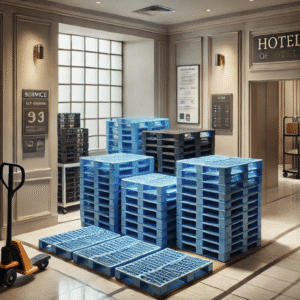
Why Hotels Are Buying Plastic Pallets: Efficiency, Cleanliness & Sustainability United 🏨♻️

Hotel News for Plastic pallets

In today’s competitive hospitality landscape, efficiency and hygiene are everything. Hotels are rethinking their operations from the ground up—literally. One of the most unexpected yet impactful changes? The switch from wooden pallets to plastic pallets.

This shift isn’t just about modernization—it’s driven by measurable results. Hotels are turning to plastic pallets to boost hygiene, improve operational efficiency, reduce workplace injuries, and meet sustainability goals. With longer lifespans and lower maintenance, plastic pallets have become an unsung hero of the hotel industry.

Let’s dive into the reasons behind this trend—and why your hotel might want to follow suit. 💡


Logistics & Efficiency: Streamlining Hotel Supply Chains 🛎️🚚

Durability & Longevity

Unlike wooden pallets, plastic pallets don’t crack, warp, or splinter. They’re built to last—and in a hotel environment that’s always in motion, this matters.

According to LinkedIn, plastic pallets can last up to 10 times longer than wooden pallets, reducing the frequency of replacements and minimizing operational interruptions.

Uniformity & Compatibility

Plastic pallets are manufactured with precision, which means consistent size and shape—ideal for stacking linens, guest amenities, or bulk deliveries. Consistency also means they’re easier to move through conveyor belts, elevators, and tight storage spaces.

Rehrig Pacific notes that this uniformity helps eliminate problems with jams and misalignments in automated systems.

Lightweight & Maneuverable

Plastic pallets are up to 35% lighter than wood, according to iGPS Logistics. That’s a win-win for both fuel efficiency and your employees’ backs. Easier to lift and move means faster workflows and fewer injuries.


Hygiene & Sanitation: Keeping Guests Safe and Satisfied 🧼🛁

Non-Porous and Easy to Clean

Plastic doesn’t absorb liquids like wood does. Spills and messes? A quick spray-down, and it’s good to go. That’s a huge plus in food service areas, spas, or anywhere sanitation is a top priority.

According to Naeco, “plastic pallets are waterproof, resistant to bacteria, and much easier to clean.”

Reduced Risk of Mold, Bacteria & Contamination

Wooden pallets can harbor bacteria and fungi, posing a risk in kitchens, banquet storage areas, and other high-moisture environments.

Tosca explains how plastic pallets are naturally resistant to mold, fungi, and pest infestations—making them ideal for the hotel industry’s sanitation needs.

Health Code Compliance Made Easier

Whether you’re preparing food, storing linens, or receiving bulk toiletries, cleanliness matters. Plastic pallets help hotels meet local health and safety regulations with confidence. FDA guidelines recommend the use of non-absorbent, cleanable materials for food-contact surfaces—which plastic offers by design.


Workplace Safety & Ergonomics: Protecting Your Team ⚠️👷

No Splinters, Nails, or Cracks

Wooden pallets come with hidden hazards: splinters, rusted nails, and jagged corners. Plastic eliminates these risks. A smoother surface means fewer cuts, bruises, and snagged uniforms for your team.

The Occupational Safety and Health Administration (OSHA) emphasizes the importance of safe handling materials in reducing workplace injuries—and plastic pallets fit the bill.

Ergonomic Design = Happier Teams

Plastic pallets are lighter and easier to maneuver, improving worker ergonomics and reducing fatigue. Employees can move them without needing a full-body workout or risking back injury.

Hotels with frequent room turnover or large event venues benefit greatly from this ease of movement.


Sustainability & Eco-Friendliness: Leading the Green Movement 🌍🌱

100% Recyclable and Reusable

Many plastic pallets are made from recycled materials and are fully recyclable at the end of their long life. Tosca explains how plastic pallets contribute to a closed-loop recycling system—supporting sustainability without sacrificing performance.

Reduced Carbon Footprint

Lighter weight = less fuel consumption during transport. According to iGPS, companies using plastic pallets save millions of pounds of carbon emissions annually.

Hotels committed to eco-certifications or green initiatives can boost their environmental scores just by switching pallets.

No Trees Harmed

Every wooden pallet requires lumber—typically from hardwood trees. Plastic pallets help hotels do their part in reducing deforestation while promoting more sustainable materials.


Financial Benefits: The ROI of Plastic Pallets 💰📈

Longer Life = Lower Long-Term Costs

Yes, plastic pallets cost more upfront. But over time, they win. According to FALM, plastic pallets offer a far lower total cost of ownership (TCO) thanks to their durability, cleanliness, and reusability.

Fewer Injuries = Fewer Claims

Safer pallets mean fewer worker’s comp claims, sick days, and medical costs. The ROI isn’t just financial—it’s human. A safer workplace also leads to better morale and higher retention.

Fewer Damaged Goods

Plastic pallets resist impact and moisture better than wood. Your boxed towels, linens, food orders, or cleaning supplies arrive intact—not damaged by a soggy or broken pallet.


Real Hotel Scenarios: Where Plastic Pallets Shine ✨

Housekeeping Supply Chains

Hotels often receive bulk deliveries of towels, sheets, robes, and toiletries. Plastic pallets ensure those supplies stay dry, clean, and undamaged in transit or storage—even in humid basement storage rooms.

Food & Beverage Operations

Kitchen staff deal with perishables, frozen food, and heavy beverage cases. Plastic pallets are easier to sanitize and won’t harbor mold or bacteria, unlike wood. A must for maintaining guest food safety.

Event Management & Banquets

Hotels hosting large conferences or weddings often manage high volumes of inventory on short notice. Plastic pallets are uniform, easy to roll, and stack well—essential for banquet chairs, decor, and AV equipment.


Common Objections to Plastic Pallets—Debunked ❌

“They’re too expensive.”
While the initial price is higher, plastic pallets often last 10 years or more, while wood may need replacing every 1-2 years. The total lifetime cost is significantly lower.

“What if they break?”
Many plastic pallets are part of pallet pooling programs where damaged units are swapped out—no extra cost to you. Look for vendors that offer this feature.

“Aren’t they bad for the environment?”
Not at all! Many plastic pallets are made from recycled content and are fully recyclable again at the end of their lifecycle. In fact, they’re often better for the environment than wood, thanks to longer use and lower emissions.


Making the Switch: What to Look for in a Supplier 🧾

Before jumping in, ask your supplier:

✅ Are the pallets made from FDA-compliant or food-grade plastic?
✅ Are they recyclable or made from recycled materials?
✅ Do they offer pooling or leasing options?
✅ Can they be used with forklifts, pallet jacks, and conveyors?
✅ What’s the expected lifespan and warranty?

For best results, choose a supplier that understands hospitality needs and can scale with your hotel’s demands.


Conclusion: Time to Upgrade Your Hotel Operations 🛎️📦

Plastic pallets near me are far more than just a trend—they’re a tool for efficiency, safety, and sustainability in the hotel industry. From streamlining logistics to improving sanitation and reducing injuries, these modern solutions deliver across every operational area.

Whether you manage a boutique property or a full-service resort, plastic pallets can help you:

✔️ Reduce long-term costs
✔️ Improve guest satisfaction through cleaner operations
✔️ Meet green initiatives
✔️ Create a safer workplace
✔️ Enhance storage and delivery systems

It’s time to step away from splinters and soggy wood—and invest in smart, clean, and sustainable solutions.

👉 Your guests expect the best. Shouldn’t your back-of-house operations reflect that too?


Helpful Resources & Authority Links

Why Every Seattle Hotel Should Partner with a CDL Driving School 🚛🏨

Hotel News for CDL Driving School

The Road to Better Guest Service Starts with Strategic Partnerships

Seattle is a city of movement — whether it’s travelers arriving at Sea-Tac International Airport, cargo moving through the Port of Seattle, or business tourists attending conferences at the Washington State Convention Center. As a thriving metropolis and a gateway to the Pacific Northwest, the hospitality industry in Seattle is under constant pressure to innovate, improve service, and stand out in a highly competitive market.

One of the most overlooked yet powerful partnerships a hotel can form is with a CDL (Commercial Driver’s License) driving school. Yes, you read that right. CDL schools aren’t just for aspiring truck drivers — they’re valuable allies for hotels looking to upgrade logistics, guest transportation, staffing options, and community connections.

In this article, we’ll explore why Seattle hotels should consider partnering with local CDL driving schools and how doing so can lead to enhanced guest experience, smarter staffing, and increased revenue. 🧳


CDL Driving Schools: What Do They Really Offer?

A CDL driving school is a vocational training institution that prepares individuals to become licensed commercial drivers. This typically includes Class A and Class B licenses, allowing graduates to operate tractor-trailers, buses, shuttles, and other commercial vehicles. In a busy, transit-oriented city like Seattle, these skills are not only essential — they’re in high demand.

Many CDL schools in Seattle (like Northwest Driving Academy) also offer specialized training for passenger endorsements and school bus or shuttle driving, making their graduates highly qualified for roles within the hospitality and tourism industries.


1. Solving the Guest Shuttle Staffing Shortage 🚌

Many hotels in Seattle offer airport shuttles, event transportation, and even scenic tours to boost the guest experience. But finding reliable drivers has become increasingly difficult due to labor shortages in transportation.

Partnering with a CDL school provides a direct pipeline of certified, safety-trained drivers ready to hit the road. Instead of competing for talent, hotels can develop a relationship-based hiring model:

  • Offer internships or guaranteed job interviews to recent grads

  • Co-sponsor training in exchange for future employment

  • Build a hotel-specific training program with the school’s help

This doesn’t just solve staffing problems — it elevates service quality with drivers trained in hospitality-focused etiquette.

💡 Bonus: Hiring CDL school graduates helps reduce liability by ensuring your drivers are professionally trained and certified.


2. Enhancing Logistics and Event Coordination Services 📦

Seattle hotels are increasingly called upon to host large events — from tech conferences and weddings to sports tournaments. These require complex logistics, including delivery of supplies, catering, staging, and vendor access.

Having a hotel-operated vehicle fleet driven by in-house or contracted CDL-certified professionals gives your hotel the power to:

  • Control delivery timing and reliability

  • Transport goods across large events without relying on third-party vendors

  • Support corporate clients with freight and guest movement

With Seattle’s traffic congestion and complicated downtown layout, a trained CDL driver is a logistical advantage you don’t want to ignore. According to the Washington State Department of Transportation, commercial traffic delays cost companies millions in productivity annually — having CDL drivers familiar with Seattle’s roads can reduce your exposure to those delays.


3. Training & Upskilling Hotel Employees for Greater Loyalty 📈

Your existing employees might be looking for growth — why not help them earn a CDL?

Offering tuition reimbursement or training partnerships with a local driving school can incentivize long-term employment and reduce turnover. Employees may move from valet or bellhop roles into shuttle operation or event transport, giving them new career paths and boosting morale.

By integrating CDL licensing into your workforce development strategy, you build:

  • Stronger retention

  • Cross-functional staffing flexibility

  • A culture of opportunity and advancement

Seattle is a workforce-driven city, and according to the Seattle Office of Economic Development, investing in upskilling workers pays off with higher loyalty and performance.


4. Sustainable Transportation Options and Green Certifications ♻️

More CDL schools are incorporating eco-conscious training, including operation of electric buses and hybrid shuttle vehicles. Seattle hotels that are going green — whether by earning LEED certifications or promoting sustainability — can benefit from drivers trained to operate these vehicles efficiently.

Partnering with CDL schools that offer green driving education can help your hotel:

  • Reduce fuel costs

  • Meet environmental goals

  • Market your green initiatives more credibly to guests 🌍

Consumers are 66% more likely to stay at a hotel that shows real commitment to sustainability, according to Booking.com’s Sustainability Report.


5. Community Engagement That Builds Brand Trust 💬

By collaborating with CDL schools, hotels can demonstrate support for local job development and economic mobility, which aligns with community values in the Seattle area.

Ways to do this include:

  • Hosting job fairs with CDL school graduates

  • Offering scholarships or paid internships to underserved groups

  • Highlighting your partnership in PR efforts

This kind of purpose-driven partnership strengthens your hotel’s brand, making it more attractive to conscious travelers and corporate groups that prioritize community support in vendor selection.


6. Access to DOT-Compliant Driver Pools for High-Security Events 🚓

Seattle hosts high-security events like political rallies, celebrity functions, and international conferences. In these scenarios, only CDL-trained drivers may be permitted to operate within restricted areas — especially if vehicles require DOT compliance.

Having access to a vetted driver pool from a CDL school means you can:

  • Stay compliant with local and federal transportation laws

  • Reduce your liability

  • Elevate your status as a premium event venue

Seattle’s proximity to major ports, airports, and military installations makes CDL compliance even more valuable for large-scale logistics and guest transportation planning.


7. Revenue Opportunities from Business Travelers and Tourists 💼

Hotels can partner with CDL schools to create driving experience packages for tourists or business guests. Think “drive-a-truck day” experiences, logistics training seminars, or even “behind-the-scenes transportation tours” for tech clients in the supply chain industry.

These unconventional packages tap into:

  • Experiential tourism

  • Team-building retreats

  • Transportation industry conferences

In Seattle’s ever-evolving tourism space, these packages offer a competitive differentiator.


8. Maximizing Occupancy with CDL Students and Partner Events 🛏️

When your hotel becomes a preferred lodging partner for a CDL school, you gain steady occupancy from:

  • Out-of-town CDL students attending school for a few weeks

  • Recruiters and instructors traveling for certification events

  • Family members accompanying students for graduation

Offering discounted stays or bundling transportation and lodging for schools without housing facilities can fill rooms during off-peak times.


9. Using CDL School Data to Drive Smarter Marketing 📊

Most CDL schools have extensive databases of enrolled students, alumni, and employers. Strategic marketing collaborations allow you to:

  • Target corporate travel buyers in the logistics industry

  • Attract relocation packages for long-term CDL certification students

  • Get featured in newsletters or alumni events

These cross-promotions build brand awareness within a niche market with high travel needs — especially relevant in Seattle, where warehousing, maritime, and logistics play major roles in the economy (source).


10. Future-Proofing for AV and Smart Transport 📡

The CDL industry is also evolving toward autonomous vehicle (AV) support roles, requiring operators to handle specialized transport, software management, and equipment logistics. Hotels that already have CDL-trained staff will be in a better position to adapt to these trends.

Partnering now prepares your hotel for a future where mobility, safety, and smart logistics are more integrated into the guest experience — especially in a tech-forward city like Seattle.


Conclusion: It’s Time to Shift Gears — Don’t Miss This Opportunity 🚦

A Seattle CDL driving school is not just training centers for big rigs — they are hubs of talent, logistics insight, and economic energy that Seattle hotels would be wise to align with.

From solving the driver shortage and improving sustainability to building loyalty among employees and expanding your service offerings, this kind of partnership is not only smart — it’s strategic.

As Seattle continues to grow and evolve, hotels that embrace these kinds of future-focused partnerships will be the ones that stay ahead of the curve. So if you want to:

✅ Boost your transportation services
✅ Improve logistics for events
✅ Build brand trust
✅ Stay ready for what’s next in hospitality

It’s time to connect with a local CDL driving school and drive your hotel business to the next level. 🚛🏨


Looking for a local CDL partner in Seattle? Check out Washington Trucking School or Commercial Driving School Seattle and see how easy it is to start building a mutually beneficial relationship today.

Let’s shift your hotel’s future into high gear. 💼💡